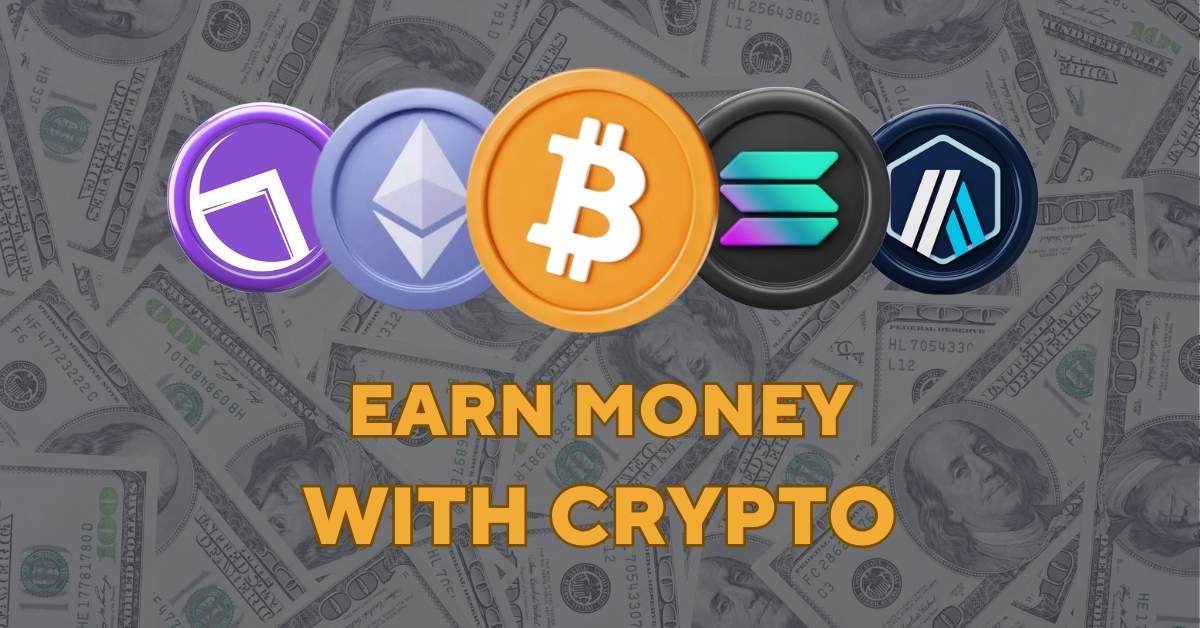
Ever since Bitcoin took off, people have been asking one big question: “How can I actually earn money with crypto?” And with good reason. From early investors turning pennies into millions to everyday users getting free tokens from airdrops, crypto has become more than just a buzzword — it’s a digital economy full of real income opportunities.
In this guide, we’ll break down how to earn money with cryptocurrency — whether you’re looking to invest, work, or just explore free ways to get started. No hype, no scams — just legit strategies that anyone can try.
Why People Want to Earn Money with Crypto
Cryptocurrency isn’t just about price charts and trading memes — it’s part of a much bigger shift in how people think about money, ownership, and opportunity. Here’s why so many are turning to crypto as a way to make money online:
Decentralization and True Ownership
Unlike traditional finance, crypto puts control back in your hands. You own your assets — no banks, no middlemen, no gatekeepers. Whether it’s coins, NFTs, or your wallet itself, your crypto is yours, and no one can freeze it or take it away. This ownership mindset is central to why people are eager to earn in Web3.
Low Entry Barrier
Starting a business or investing in real estate requires capital, paperwork, and often, luck. In contrast, making money with crypto can start with nothing but a phone and an internet connection. Whether it’s completing simple tasks for airdrops or earning staking rewards, crypto opens up income streams that anyone can tap into.
Borderless Income
Crypto doesn’t care where you live. You could be in a city, a remote village, or traveling the world — as long as you’re online, you can earn. Freelancers, gamers, and creators are getting paid in crypto daily, skipping the bank delays and currency conversion fees.
It’s Tied to the Web3 Movement
Crypto isn’t just about money — it’s part of Web3, a bigger movement toward a more open, user-owned internet. When you earn in crypto, you’re not just making money — you’re participating in the future of the web. From decentralized apps to play-to-earn games, earning money with crypto is how many users “onboard” into this new digital economy.
Learn more: Web2 vs Web3: What Sets Them Apart?
Top 10 Proven Ways to Earn Money with Crypto
If you’re wondering how to earn money with cryptocurrency, you’re not alone. From passive income strategies to active gigs, crypto opens the door to dozens of income streams. Here’s a breakdown of the most reliable and beginner-friendly ways to make money with crypto — no hype, just actionable paths.
Buying and Holding (HODLing)
The simplest way to earn with crypto is by buying digital assets like Bitcoin, Ethereum, Solana, etc, and holding them long-term in anticipation of price growth.
Pros:
- Easy to start, even for beginners
- Historically profitable with major coins
- Requires little to no active management
Cons:
- Highly volatile prices
- No short-term returns
- Requires patience and risk tolerance
Example: Someone who bought $100 of Ethereum in early 2020 and held until late 2021 would’ve seen it grow to over $4,000. Platforms like Coinbase, Binance, or BIC Wallet make it easy to HODL securely.
Trading Crypto for Profit
Crypto trading involves buying and selling digital currencies over short or long timeframes to capitalize on market price swings. Unlike holding, trading is more active and requires some market analysis skills.
Pros:
- High earning potential in both rising and falling markets
- Many tools available to help analyze and automate trades
- Flexible — trade daily, weekly, or based on trends
Cons:
- Risk of significant losses, especially with leverage
- Emotion-driven decisions can lead to mistakes
- Time-consuming for beginners
Example: Day traders use platforms like Bybit or Binance Futures to trade popular pairs like BTC/USDT or ETH/SOL. Many rely on tools like TradingView to track price patterns.
Staking and Yield Farming
Staking allows you to lock up your tokens to help maintain a blockchain network and receive rewards in return. Yield farming, often done through DeFi platforms, involves lending your tokens to liquidity pools for potentially higher returns.
Pros:
- Passive income with relatively low effort
- Supports decentralized ecosystems
- Some options offer flexible withdrawal
Cons:
- Funds may be locked for a period
- Yield farming can carry higher risk, including impermanent loss
- Vulnerable to bugs in smart contracts
Example: Staking SOL or ETH on-chain or farming tokens on PancakeSwap are popular examples. Beincom users can also stake $BIC tokens with flexible reward options.

Earning Interest via DeFi Protocols
You can deposit your crypto into decentralized lending platforms like Aave or Compound and earn interest over time — similar to a savings account, but on the blockchain.
Pros:
- Passive returns without needing to trade
- No need to give up ownership of your crypto
- Many platforms support stablecoins, reducing volatility risk
Cons:
- Smart contract risks or protocol failures
- Rates can fluctuate significantly
- Requires a DeFi-compatible wallet and basic knowledge
Example: Users can deposit USDC or DAI into Aave and earn ~3–8% APY, depending on the market. Tools like MetaMask or BIC Wallet support integration with DeFi protocols.
Looking for DeFi platforms to invest and earn money? Check out: Top 10 DeFi Platforms You Should Know
Play-to-Earn Games
Blockchain games let you earn crypto or NFTs by playing — blending entertainment with potential earnings. These models reward players for time, skill, or in-game asset ownership.
Pros:
- Fun and engaging way to earn
- Ownership of game assets as NFTs
- Some games offer entry-level versions
Cons:
- High competition or entry costs in popular games
- Earnings often depend on game economy and demand
- Some models become unsustainable over time
Example: Games like Gods Unchained or Axie Infinity let users earn tokens through gameplay. Players can later trade those tokens or NFTs for other cryptocurrencies or fiat.
More ways to earn free crypto are available here: Top 8 Ways to Earn Free Crypto Effortlessly in 2025
Getting Paid in Crypto (Freelance, DAOs)
Many freelancers, developers, designers, and content creators now get paid in crypto. DAOs (decentralized autonomous organizations) also pay contributors for participating in governance or operations.
Pros:
- Borderless payments with low fees
- Access to global clients or Web3 organizations
- Great entry point for remote work in crypto
Cons:
- Payment volatility depends on the coin/token
- Less regulatory protection
- Needs a reliable wallet and awareness of scams
Example: Sites like DeWork, CryptoJobs, and DAOs on platforms like Snapshot or Aragon offer bounties and paid tasks. Many pay in stablecoins or native governance tokens.
Providing Liquidity
Liquidity providers deposit tokens into trading pairs (like ETH/USDC) on decentralized exchanges such as Uniswap or PancakeSwap. In return, they earn a share of the transaction fees.
Pros:
- Passive income from trading fees
- Often supports dual-token exposure
- Helps power decentralized finance
Cons:
- Impermanent loss risk
- Requires knowledge of token pairs
- May need large capital for decent returns
Example: Providing liquidity to the ETH/USDC pool on Uniswap can generate fee rewards over time. Users monitor returns using dashboards like Zapper or DeFi Llama.
Participating in Airdrops and Bounties
Projects often distribute free tokens (airdrops) to early users, testers, or community members. Bounties reward people for completing small tasks, like promoting the project or testing bugs.
Pros:
- Completely free to start (just time or effort)
- Potential for high returns from new projects
- Great for beginners exploring Web3
Cons:
- Not all airdrops are valuable or safe
- Some bounties are time-consuming
- Scams are common — always verify sources
Example: The Arbitrum and Optimism airdrops rewarded early users with tokens worth thousands of dollars. Tools like Airdrop Alert or community platforms like Beincom highlight real opportunities.
Looking for a real way to earn money with crypto? The BIC Airdrop lets you get started with $BIC tokens for free — no investment needed. Just 5 minutes every day to earn an airdrop lasting 5 years. Join now!

Creating and Selling NFTs
Artists, musicians, writers, and creators can mint digital assets (NFTs) and sell them on marketplaces like OpenSea or Magic Eden. This opens up new revenue streams for digital ownership.
Pros:
- Creative freedom and monetization of art
- Royalties enable recurring income
- NFTs can be tied to community perks or utilities
Cons:
- Requires marketing to find buyers
- Marketplace fees can be high
- Market demand can fluctuate
Example: Independent artists have launched NFT collections that generated thousands in sales. Platforms like Zora, Manifold, or OpenSea allow easy minting and selling.
Running a Node or Validator
Networks like Ethereum, Solana, or Cosmos reward users for running nodes or becoming validators — maintaining network security and processing transactions.
Pros:
- High technical control and network involvement
- Reliable returns over time
- Essential for decentralization
Cons:
- Requires technical expertise and setup
- Often needs large staking amounts
- Uptime and security are crucial
Example: Running a validator on Ethereum requires 32 ETH, but pooled solutions like Lido let you contribute with less capital. Cosmos and Avalanche also allow smaller participants to run nodes.
Tools and Platforms to Help You Start
To earn money with crypto effectively, you’ll need the right tools — not just to store your assets, but also to access platforms, track performance, and interact with decentralized apps (dApps). Below are essential tools to get started:
Crypto Wallets
A crypto wallet is your gateway to Web3. It stores your private keys — the digital credentials that prove ownership of your crypto assets — and allows you to send, receive, and manage tokens, NFTs, and interact with decentralized apps (dApps).
There are 2 main storage categories:
- Hot wallets: Connected to the internet, making them convenient for frequent use (trading, accessing dApps). Examples include browser extensions, mobile apps, or desktop wallets like MetaMask, Trust Wallet, Coinbase Wallet,…
- Cold wallets: Offline wallets, like hardware devices or paper wallets. Much more secure against online threats, but less convenient for daily use. Examples include Ledger Nano X, Trezor Model T, Keystone,…
A good wallet should balance security, ease of use, and access to Web3 features depending on your goals.
Tip: For long-term storage, consider using a cold wallet. For everyday use, a trusted hot wallet (non-custodial) is ideal — just make sure to back up your recovery phrase securely.
Cryptocurrency Exchanges
Crypto exchanges are where you buy, sell, or swap crypto — either with fiat currency or other tokens.
- Binance: One of the largest global exchanges offering spot and futures trading, staking, P2P, and more.
- Coinbase: Very beginner-friendly, with simple interfaces and educational rewards. Great for those just getting started.
- KuCoin, Kraken, MEXC: Other popular platforms offering a wide range of assets and features.
Tip: Use centralized exchanges for convenience and access to many assets. But once purchased, consider transferring funds to your personal wallet for security.
DApps and Aggregators (Zapper, DeBank)
Decentralized apps (dApps) and aggregators help you interact with DeFi, manage your investments, discover new opportunities, and earn money with crypto.
- Zapper: A dashboard that lets you view your wallet holdings, yield farming positions, NFTs, and DeFi activity across chains.
- DeBank: A popular multi-chain portfolio tracker that gives insight into token balances, DeFi exposure, and wallet analytics.
Tip: These tools are great for exploring the DeFi ecosystem and managing multiple activities from one dashboard.
Read more: How to Invest in DeFi: A Full Guide for Beginners
Portfolio Trackers
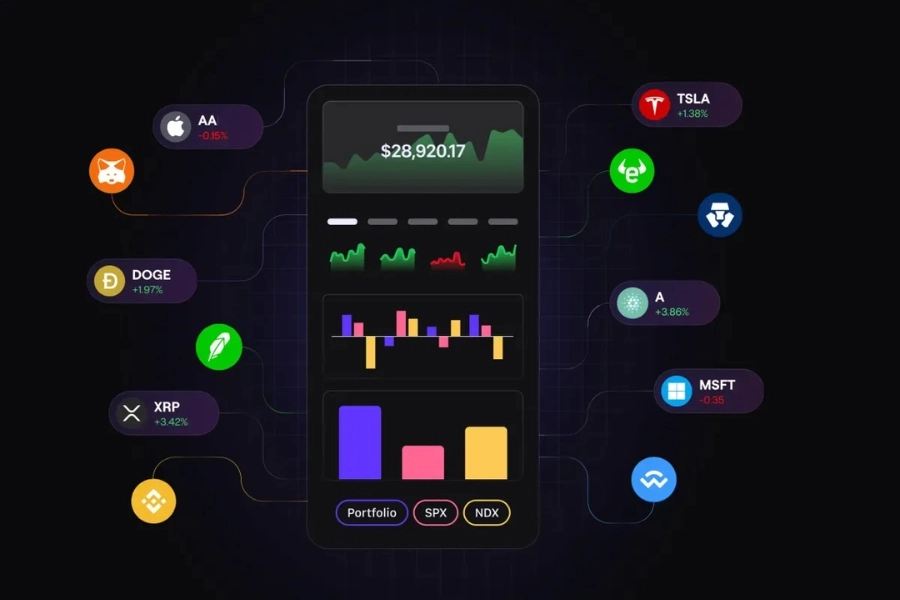
Keeping track of your crypto investments, yield earnings, and token allocations is crucial — especially if you’re active across different platforms and chains.
- CoinStats: A user-friendly portfolio tracker that integrates with wallets and exchanges.
- Kubera: Ideal for tracking both crypto and traditional investments.
- Zerion: Another option for managing DeFi positions directly from your wallet.
Tip: Choose a tracker that syncs with your wallet to avoid manual entry. This helps you spot gains, losses, and opportunities more easily.
How to Get Started Safely
Before diving into any method of earning money with crypto, take the time to protect yourself and set a strong foundation.
Choose the Right Wallet
Start with a non-custodial wallet that gives you full control over your crypto. Choose a wallet that’s secure, easy to use, and compatible with the platforms you plan to use.
Secure Your Private Keys
Your private key is the only way to control your assets. Never share it, and store your recovery phrase offline. Learn more about private keys.
Ready to take control of your digital assets? Learn essential tips and protect your crypto like a pro: Private Key Best Practices
Start with Small Amounts
Test the waters. Use small transactions at first — especially when exploring DeFi, staking, or NFT platforms.
Learn the Basics of Gas Fees, Transactions, and Networks
Every blockchain has different mechanics. Ethereum may have higher gas fees, while networks like Arbitrum, Solana, or BNB Chain are faster and cheaper. Understanding these can help you make smarter, more cost-effective choices.
Common Crypto Risks and How to Avoid Them
Earning money with crypto can be rewarding, but it’s also full of pitfalls — especially if you’re new. From shady projects to costly mistakes, here are some of the most common risks (and how to stay clear of them).
Scams and Rug Pulls
Thousands of tokens and projects appear every year. Many are promising, but some are designed to take your money and disappear.
How to avoid it:
- Be cautious of “too good to be true” returns.
- Stick with trusted platforms and tokens with transparent teams.
- Always DYOR (Do Your Own Research) before investing.
Phishing Attacks
Scammers often impersonate crypto apps or support staff to trick you into revealing your private keys or seed phrase.
How to avoid it:
- Never share your seed phrase.
- Double-check URLs and use bookmarked official websites.
- Don’t click on suspicious DMs or pop-ups claiming wallet issues.
Private Key Mismanagement
Losing access to your wallet (or having it stolen) often means your assets are gone forever.
How to avoid it:
- Use secure, non-custodial wallets.
- Back up your recovery phrase in multiple offline locations.
- Consider using a hardware wallet for large amounts.
Market Volatility
Crypto prices can swing wildly within hours. Without a plan, you might panic sell or buy at the wrong time.
How to avoid it:
- Only invest what you can afford to lose.
- Have a long-term strategy if HODLing.
- Don’t let FOMO or fear control your decisions.
Gas Fees and Network Congestion
Sending crypto or interacting with dApps often requires gas fees — which can spike during high demand.
How to avoid it:
- Monitor network status before big transactions.
- Use Layer 2 networks (like Arbitrum or Polygon) for lower fees.
- Batch small transfers when possible.
Fake Airdrops and Giveaways
Fraudulent “free token” campaigns often ask you to connect your wallet or pay a small amount — then drain your funds.
How to avoid it:
- Only participate in airdrops from official project channels.
- Never sign transactions you don’t understand.
- Use a separate wallet for trying new dApps or airdrops.
Earn Money with Crypto on Beincom!
Ready to earn money with crypto while staying safe and informed? Beincom is more than just a social platform — it’s your all-in-one SocialFi platform designed for creators, communities, and crypto enthusiasts.
On Beincom, you can:
- Join Airdrop campaigns and claim free $BIC tokens. 5M $BIC every month, lasting for 5 years.
- Stake your tokens to grow your holdings over time.
- Create, trade, and earn NFTs with an ultimate passive income opportunity.
- Receive donations for your meaningful posts.
- And much more — with features like X-to-earn model and missions coming soon!
Whether you’re looking to earn passive income, build your Web3 identity, or support causes you believe in, Beincom gives you the tools to make money with crypto in a real, meaningful way.
FAQs
Q1. Can you really earn money with crypto?
Yes, many people earn money with crypto in different ways — from long-term holding and trading, to staking, participating in airdrops, or even earning money with crypto through freelance work. However, results depend on your knowledge, timing, and how much risk you’re willing to take.
Q2. What’s the safest way to make money with crypto?
The safest approach is to start with long-term holding (HODLing) and staking. These methods are generally less risky than active trading or speculative projects. Always use a secure wallet, research thoroughly (DYOR), and never invest more than you can afford to lose.
Q3. How do I get free crypto?
You can get free crypto through airdrops, bounties, referral programs, and earn-to-learn platforms like Coinbase Earn. Beincom also offers airdrops and missions where users can earn $BIC tokens by participating in the community.
Q4. What is staking and how does it help me earn?
Staking means locking up your crypto in a network to support its operations (like validating transactions), and in return, you earn rewards. It’s a popular way to earn passive income with cryptocurrencies that support proof-of-stake (PoS).
Q5. Do I need a lot of money to start making money with crypto?
Not at all. One of the best things about Web3 is its low entry barrier. You can start small — even with just a few dollars — by using platforms with low minimums and exploring beginner-friendly options like airdrops or staking.
Q6. How do taxes work when I earn money with crypto?
Crypto earnings are often taxable, depending on your country. This can include capital gains from selling coins, staking rewards, or income paid in crypto. Make sure to track your earnings and consult a tax professional if needed.
Q7. Is it too late to make money with crypto in 2025?
No — Web3 is still growing, and new earning opportunities appear regularly. From emerging DeFi tools to NFT platforms and crypto-powered communities like Beincom, there’s still plenty of potential to earn and grow in the space.