With NFTs expanding beyond art into gaming, identity, and digital assets, choosing the right platform matters more than ever. From user experience to decentralization and trading fees, NFT marketplaces vary widely in features and focus.
This article explores the best NFT marketplaces — helping you compare platforms and find the one that fits your needs. Let’s dive in!
What Makes the Best NFT Marketplace?
Before jumping into specific NFT platforms, it’s important to understand what separates a top-tier NFT marketplace from the rest. The ideal platform isn’t just popular — it offers reliability, usability, and long-term value.
Here are the key factors to evaluate:
- User Interface and Experience: A clean, intuitive layout can make or break the trading experience. The best platforms simplify minting, browsing, and transacting even for newcomers.
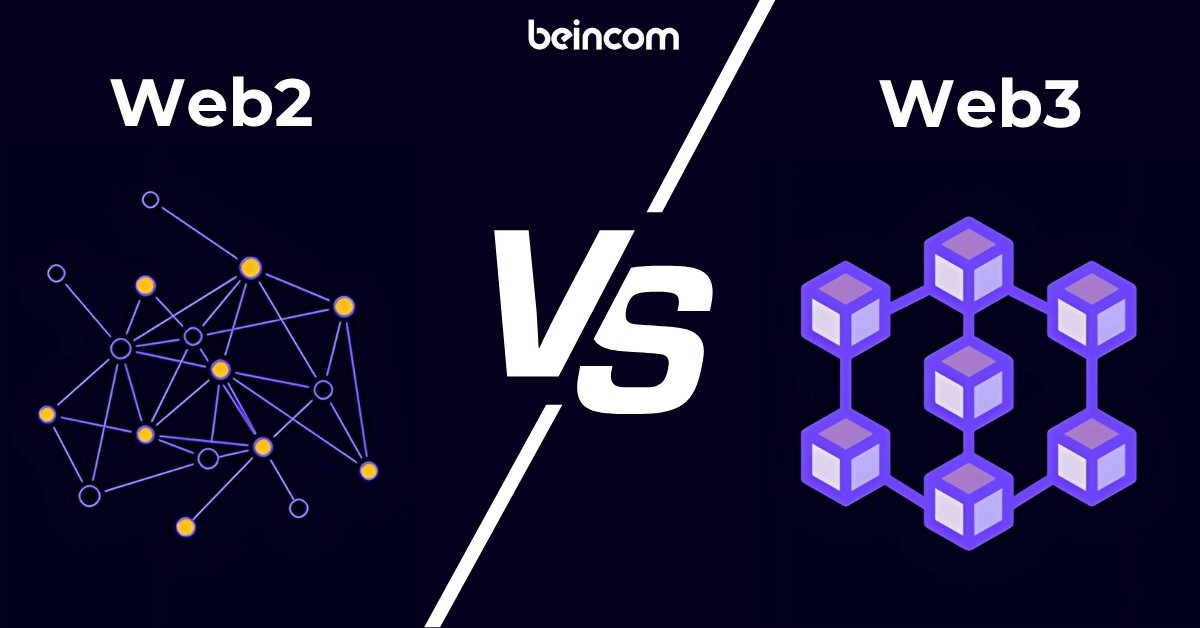
- Decentralization and Ownership: Platforms built on decentralized infrastructure give users more control over their assets, data, and royalties. Some marketplaces fully embrace Web3 principles, while others operate more like traditional Web2 platforms.
- Diversity of Assets: Art, music, virtual land, identity tokens, game assets — marketplaces may specialize in one or offer a wide range. The right choice depends on your goals.
- Royalties and Revenue Models: Whether you’re a creator or collector, how royalties are enforced and distributed can significantly impact long-term value.
- Supported Wallets and Blockchains: Multi-chain support and integration with leading wallets (like MetaMask, WalletConnect, or native wallets) improve accessibility and asset mobility.
- Marketplace Fees: Transaction fees, listing fees, or creator royalties vary greatly. Understanding the cost structure upfront helps avoid surprises.
Learn more: 10 Real-World NFT Use Cases Transforming Digital Ownership
In‑Depth Reviews of Best NFT Marketplaces
The NFT ecosystem has matured rapidly, and so have the platforms that support it. Here’s a look at some of the leading NFT marketplaces in 2025, each offering unique strengths for different types of users—from collectors and creators to investors and gamers.
OpenSea
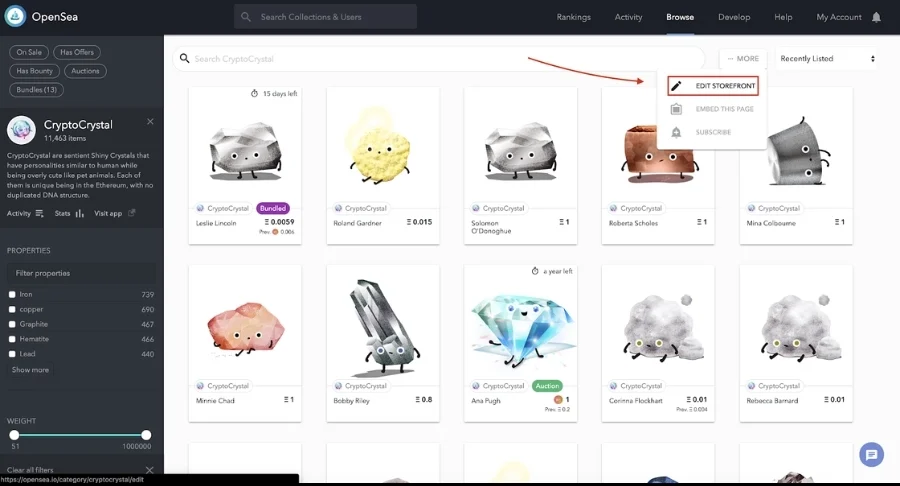
OpenSea is widely recognized as the largest and most established NFT marketplace in the space. Launched in 2017, it supports a wide variety of digital assets, including artwork, collectibles, domain names, virtual land, and music NFTs. Its user-friendly interface and broad asset coverage have made it a go-to platform for beginners and experienced collectors alike.
Key Features:
- Supports Ethereum, Polygon, and other blockchains
- Simple wallet connection (MetaMask, Coinbase Wallet, etc.)
- Advanced search filters and category browsing
- Creator royalty enforcement
- Optional lazy minting (gasless minting)
Pros:
- Massive user base and liquidity
- Easy onboarding for new users
- Wide selection of NFT types and collections
Cons:
- Centralized backend raises decentralization concerns
- High Ethereum gas fees for certain transactions
Best For: Users looking for a general-purpose, beginner-friendly platform with the largest selection of NFTs.
Blur
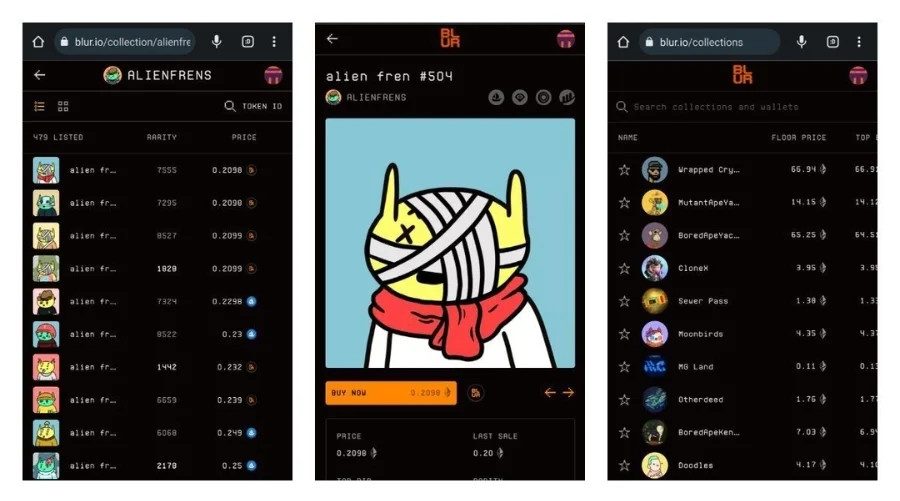
Blur is a pro-focused NFT marketplace and aggregator that has rapidly gained traction among active traders since its launch in 2022. It targets advanced users who value speed, real-time data, and bulk listing tools—making it ideal for high-volume NFT trading rather than casual collecting.
Key Features:
- Real-time floor price and listing updates
- Bulk listing and sweeping tools
- Zero marketplace fees
- Deep liquidity via aggregation from other marketplaces
- Incentivized trading through reward points and airdrops
Pros:
- Fast and efficient trading interface
- Ideal for flipping and professional traders
- Strong incentives and trader rewards
Cons:
- Steeper learning curve for beginners
- Less emphasis on discovery or creator experience
Best For: Experienced NFT traders who want a data-rich, efficient platform optimized for speed and bulk actions.
Rarible
Rarible is a multi-chain NFT platform known for being creator-friendly and community-driven. It supports Ethereum, Polygon, Tezos, and other chains, making it accessible to a broad user base. Unlike some marketplaces focused solely on trading, Rarible offers a more customizable and creative environment for minting, listing, and managing NFTs.
Key Features:
- Multi-chain support (Ethereum, Polygon, Tezos, Immutable, Flow)
- Built-in minting and storefront creation tools
- Community-governed via the $RARI token
- Royalties set by creators
- Aggregated listings from multiple platforms
Pros:
- Easy for creators to mint and showcase their work
- Strong support for royalty customization
- Community participation through governance
Cons:
- Lower trading volume compared to top-tier platforms
- UI can feel less refined than Blur or OpenSea
Best For: Creators and communities who want to build their own NFT storefronts or participate in decentralized governance of an NFT ecosystem.
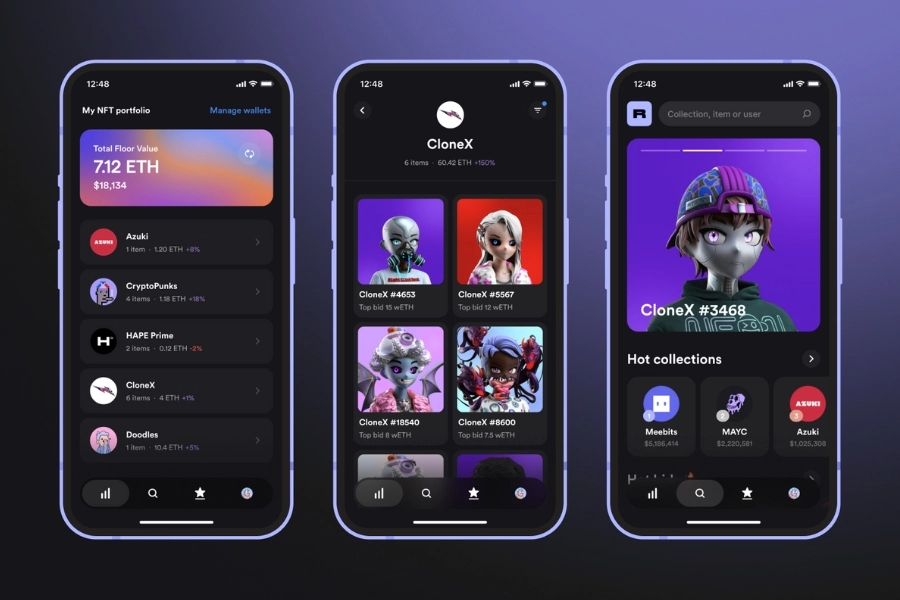
LooksRare
LooksRare is a decentralized NFT marketplace built as a community-first alternative to OpenSea. It rewards users (buyers and sellers) with its native token, $LOOKS, based on their activity. This incentivized model made it popular during its launch phase, attracting high-volume traders.
Key Features:
- Built on Ethereum
- Offers $LOOKS token rewards for trading activity
- Creator royalties and customizable fees
- Aggregated listings from OpenSea
- Support for bulk listing and batch purchasing
Pros:
- Users earn token rewards for participating
- Strong focus on active traders and community ownership
- Transparent fee structure with revenue-sharing
Cons:
- High percentage of wash trading in early days
- Smaller user base compared to OpenSea
Best For: Traders looking to earn token incentives while buying and selling NFTs in a more community-driven environment.
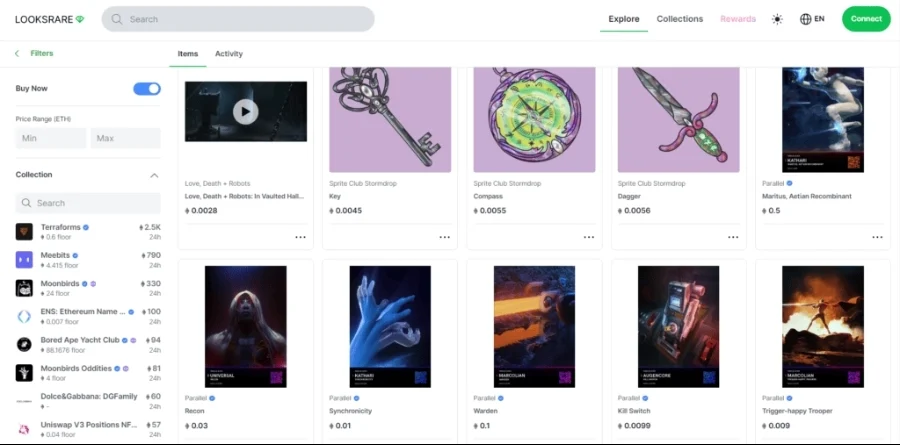
Zora
Zora is a fully decentralized NFT exchange built on the Zora Protocol, offering a permissionless and gas-optimized infrastructure for NFT creation and trading. It has positioned itself as a platform for builders, developers, and communities to launch their own NFT experiences while benefiting from Zora’s zero-fee marketplace.
Key Features:
- Built on Zora Network (a Layer 2 based on Optimism)
- Fully on-chain and open-source
- No marketplace fees for creators or collectors
- Strong infrastructure for developers to build custom NFT apps and drops
- Emphasis on community-owned infrastructure
Pros:
- Zero-fee trading and minting
- Supports advanced Web3 use cases (e.g., dynamic NFTs, modular marketplaces)
- Strong ethos of decentralization and permissionless innovation
Cons:
- Not ideal for beginners; more suited for developers or technically-inclined users
- Smaller user base compared to marketplaces like OpenSea or Blur
Best For: Developers, experimental NFT projects, and communities that want full control over their NFT experiences on a decentralized infrastructure.
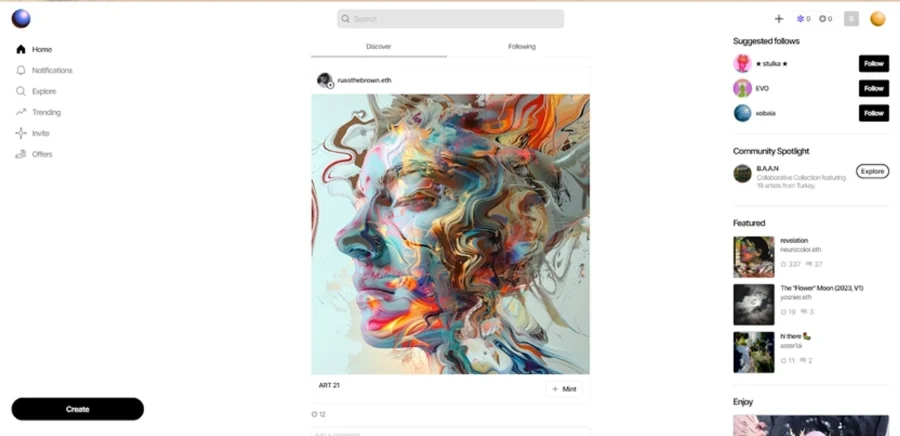
Magic Eden
Originally launched on Solana, Magic Eden has quickly become one of the leading multi-chain NFT marketplaces, now supporting Ethereum, Bitcoin Ordinals, and Polygon. Its strong community features, launchpad support, and active trading environment have made it a top destination for both collectors and creators.
Key Features:
- Multi-chain support: Solana, Ethereum, Polygon, and Bitcoin Ordinals
- Launchpad for creators to mint and promote NFT collections
- Built-in analytics and rarity tools
- Active secondary market with low transaction fees
Pros:
- Strong community engagement, especially in the Solana ecosystem
- Creator-friendly tools for launching and promoting NFT drops
- Supports Bitcoin NFTs, a growing trend in 2024–2025
- Fast and low-cost trading, especially on Solana
Cons:
- Interface and experience can vary slightly across supported chains
- Less focus on Ethereum blue-chip collections
Best For: Collectors and creators in the Solana and Ordinals space, as well as multi-chain NFT traders looking for diverse inventory and low fees.
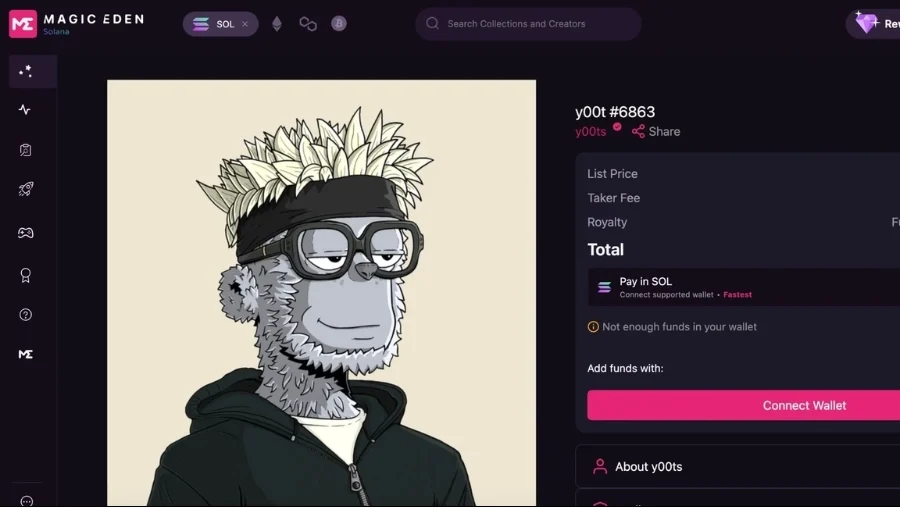
BIC Marketplace (Beincom)
BIC Marketplace is the integrated NFT trading platform within Beincom — a Web3-powered decentralized social network. Rather than focusing on art and collectibles, BIC Marketplace specializes in identity-based and utility-driven NFTs, such as usernames, profile names, community handles, and ownership badges. These NFTs unlock platform features, governance rights, and monetization pathways, making them central to the user experience.
Key Features:
- Unique NFT innovation with oNFTs (Ownership NFTs) for identity and bNFTs (Base NFTs) for passive income.
- Seamless trading through the built-in BIC Wallet (no external wallet needed)
- Support for social identity, governance, and content monetization
- Integrated into the Beincom SocialFi ecosystem
Pros:
- Real-world NFT utility beyond art and collectibles
- Earn passive BIC Token rewards through bNFTs
- Secure, beginner-friendly UX with no external wallet setup
- Low transaction friction thanks to the integrated wallet and token system
Cons:
- Limited to Beincom ecosystem assets
- Newer platform with a smaller selection of visual/art-based NFTs
Best For: Users seeking real-world NFT utilities, digital identity ownership, and passive earning opportunities within a decentralized social network.

How to Choose the Right NFT Marketplace
With so many NFT platforms available, picking the right one depends on your goals, experience level, and the type of NFTs you’re interested in. Here are key factors to consider when comparing NFT marketplaces:
- Supported Blockchains: Some marketplaces are chain-specific (like Magic Eden for Solana), while others are multi-chain (like Rarible or OpenSea). Make sure the platform supports the blockchain you use or plan to invest in.
- User Interface and Experience: User-friendliness varies greatly. Platforms like OpenSea and Coinbase NFT are designed for mass adoption, with clean interfaces and simple navigation. In contrast, Blur or X2Y2 are optimized for power users with more technical dashboards and trading features.
- Decentralization vs. Centralization: If decentralization is a priority, consider platforms like LooksRare or Rarible, which emphasize community governance and revenue sharing. On the other hand, more centralized options like Binance NFT may offer ease of use and custodial support for beginners.
- Fees and Royalties: Check trading fees and royalty enforcement. Some platforms like Blur offer 0% fees but do not enforce royalties by default, which can be a dealbreaker for creators. Others, like Foundation, prioritize creator royalties but charge higher platform fees.
- Creator Tools and Launch Support: Are you a creator launching your first NFT project? Look for marketplaces with minting tools, customizable contracts, or built-in launchpads. Foundation and Rarible offer strong support for independent artists.
- Community and Liquidity: Larger platforms typically offer higher trading volume and visibility, which improves liquidity. However, niche communities (like Tezos-based objkt.com or Flow’s NBA Top Shot) may offer more targeted audiences and lower competition.
- Security and Trust: Choose well-established marketplaces with a solid reputation, clear smart contract audits, and active customer support. Always verify URLs to avoid phishing or spoofed platforms.
Learn more: How to Buy NFTs Safely in 2025: Step-by-Step for Beginners
FAQs
Q1. What is an NFT marketplace?
An NFT marketplace is a platform that allows users to mint, buy, sell, or trade non-fungible tokens. These platforms operate on various blockchains and often support digital assets like art, collectibles, domain names, or game items.
Q2. Are NFT marketplaces safe?
Most established marketplaces like OpenSea, Magic Eden, and Rarible are generally safe. However, security ultimately depends on smart contract integrity and user practices. Always verify URLs, double-check contracts before connecting wallets, and avoid unknown links.
Q3. Which NFT marketplace is best for beginners?
OpenSea is often recommended for its beginner-friendly interface, wallet support, and multi-chain access. Coinbase NFT also provides a simplified onboarding experience for users coming from Web2.
Q4. What are the fees on NFT marketplaces?
Fees vary. Most platforms take a 2%–2.5% transaction fee. Some, like Blur, offer 0% platform fees to buyers, but may skip royalty payments to creators unless opted in.
Q5. Can I list the same NFT on multiple marketplaces?
Yes, if the NFT’s smart contract allows it and the marketplaces support the same blockchain. However, avoid double-selling, as it’s possible for two users to try purchasing the same NFT from different platforms if not delisted properly.
Q6. Are there decentralized NFT marketplaces?
Yes. Platforms like LooksRare and Rarible emphasize decentralization by rewarding users with native tokens and offering community governance. These are popular among Web3-native users who value openness and shared ownership.
Q7. What makes a good NFT marketplace interface?
A good NFT marketplace UI is clean, responsive, easy to navigate, and supports features like filters, wallet connection, and asset previews. Advanced platforms also offer analytics dashboards, rarity rankings, and real-time trading data.
Q8. Is Beincom an NFT marketplace?
Beincom isn’t a traditional NFT marketplace, but it integrates NFT functionality deeply into its social platform. Users can mint oNFTs and bNFTs that represent identity and base ownership, and trade them via the BIC Marketplace — designed specifically for Web3-powered social utilities and token rewards. It’s ideal for creators and community builders looking to monetize identity and engagement.




![[Airdrop Update] Genesis Airdrop Done - 300M $BIC Airdrop Coming Up](https://bictoken.global/wp-content/uploads/2025/04/genesis-airdrop-complete.jpg)