Today, there are many crypto wallets available, each designed for different needs. Some wallets focus on convenience and DeFi access, while others prioritize long-term security through offline storage. In this guide, we’ll compare the best crypto wallets in 2026 based on security, usability, supported blockchains, and real-world use cases to help you choose the right option for your needs.
What Makes a Good Crypto Wallet?
Not all crypto wallets offer the same level of security, usability, or blockchain support. The best crypto wallet depends on how you use crypto and what you prioritize most.
Here are some of the most important factors to consider when choosing a wallet:
- Security and self-custody: A good wallet should give users full control over their private keys and recovery phrase. Strong security features such as biometric login, hardware wallet integration, and transaction verification are also important.
- Supported cryptocurrencies and blockchains: Some wallets focus mainly on Ethereum, while others support multiple ecosystems, including Bitcoin, Solana, and BNB Chain.
- Ease of use: Beginners often prefer wallets with clean interfaces and simple onboarding, while advanced users may prioritize custom settings and deeper functionality.
- DeFi, NFT, and staking support: Many users now need wallets that can connect to decentralized applications, manage NFTs, and support staking directly within the app.
- Backup and recovery options: Wallet recovery is critical. A strong wallet should make it easy to securely back up and restore access using a seed phrase or recovery system.
- Reputation and long-term trust: Established wallets with large user bases, transparent development, and strong security track records are generally safer than newer or unknown alternatives.
The best wallet is not always the one with the most features. It is the one that best matches your security needs, blockchain usage, and experience level.
Best Crypto Wallets in 2026
Before we go deeper, let’s take a quick look at the best crypto wallets comparison based on security, usability, blockchain support, and overall user experience:
| Wallet | Best For | Wallet Type | Main Strengths | Potential Drawbacks |
|---|---|---|---|---|
| Trust Wallet | Overall multi-chain usage | Hot wallet | Beginner-friendly, broad blockchain support, staking, NFTs, DeFi | Less secure than hardware wallets |
| MetaMask | Ethereum and DeFi | Hot wallet | Strong Web3 compatibility, widely supported by dApps | Common target for phishing attacks |
| Phantom | Solana ecosystem | Hot wallet | Fast UX, strong NFT and staking support, scam detection | Best experience mainly within Solana ecosystem |
| Ledger Nano X | Long-term security | Hardware wallet | Offline private key storage, strong security, broad asset support | Less convenient for daily trading |
| Trezor Model T | Open-source cold storage | Hardware wallet | Transparent security approach, touchscreen, self-custody focus | Fewer DeFi-focused features |
Below is a more detailed breakdown of each wallet:
Trust Wallet – Best Overall Crypto Wallet
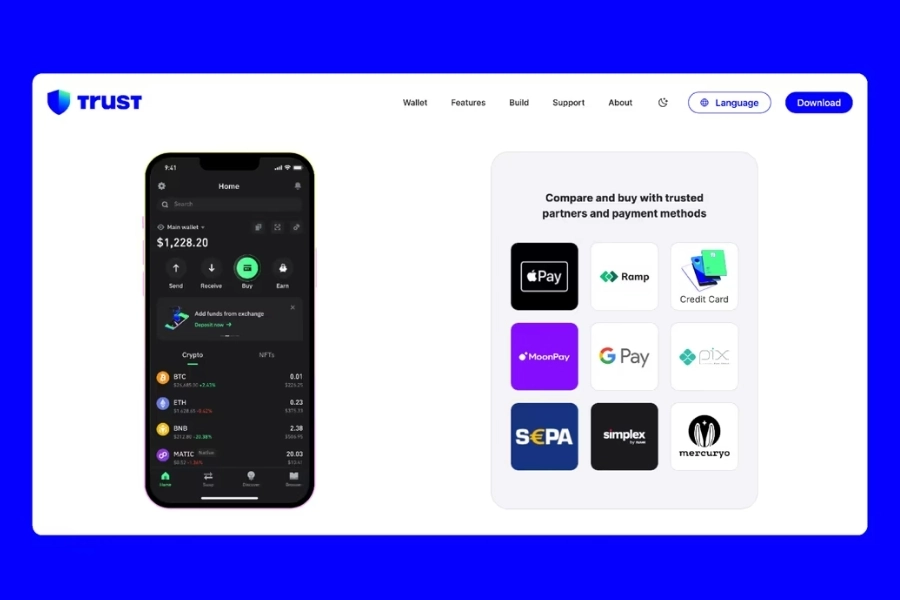
Trust Wallet is one of the most popular crypto wallets for everyday users because it combines simplicity, broad blockchain support, and strong DeFi functionality in a single app.
The wallet supports millions of digital assets across multiple networks, including Bitcoin, Ethereum, BNB Chain, and Solana. This makes it a good option for users who interact with multiple ecosystems instead of staying on a single chain.
One of Trust Wallet’s biggest strengths is its beginner-friendly experience. The mobile app is simple to navigate, while still offering advanced features such as staking, NFT management, token swaps, and dApp connectivity.
Unlike centralized exchanges, Trust Wallet is self-custodial, meaning users fully control their private keys and recovery phrase. However, this also means users are fully responsible for securing their wallet and backup phrase.
Trust Wallet is especially popular among users who want one wallet for trading, DeFi, staking, and NFT activity without needing multiple separate apps.
Key Features:
- Supports multiple blockchains and millions of assets
- Beginner-friendly mobile interface
- Built-in staking and token swap features
- NFT and DeFi support
- Self-custody wallet with full private key control
- Strong multi-chain compatibility
MetaMask – Best Crypto Wallet for Ethereum and DeFi
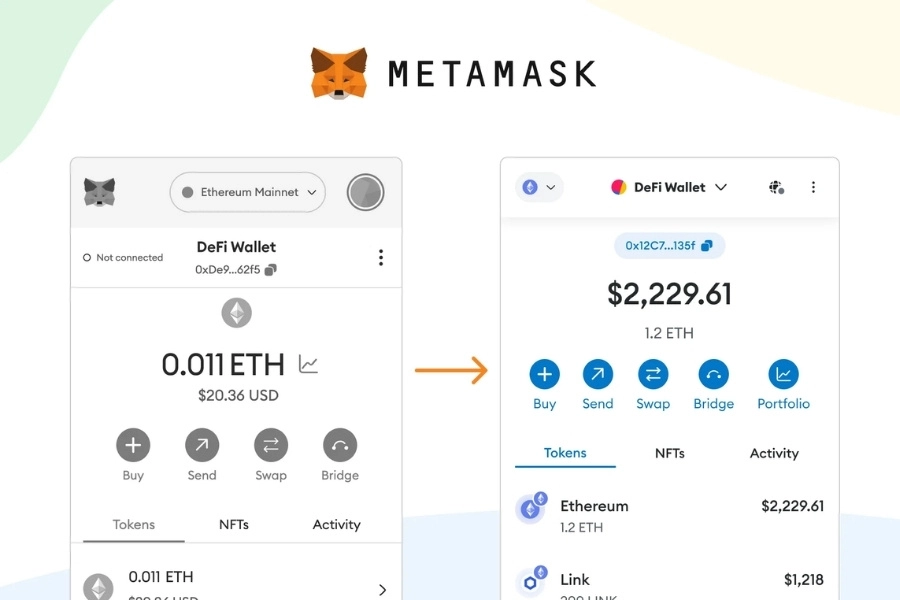
MetaMask is the most widely used wallet in the Ethereum ecosystem and has become a standard tool for DeFi and Web3 users.
Originally built for Ethereum, MetaMask now supports many EVM-compatible networks such as Arbitrum, Optimism, and BNB Chain. It is available as both a browser extension and mobile app, making it easy to connect to decentralized applications directly from a wallet.
One of MetaMask’s biggest advantages is ecosystem compatibility. Most DeFi platforms, NFT marketplaces, and Web3 applications are designed to work seamlessly with MetaMask, which makes it one of the most flexible wallets for active on-chain users.
The wallet also gives users full control over their private keys and supports hardware wallet integration with devices such as Ledger Nano X.
However, because MetaMask is so widely used, it is also a major target for phishing attacks and fake websites. Users need to be careful when connecting to dApps or approving transactions.
MetaMask is best suited for users who actively use DeFi, NFTs, and Ethereum-based applications rather than long-term cold storage.
Key Features:
- Leading wallet for Ethereum and DeFi
- Supports multiple EVM-compatible blockchains
- Browser extension and mobile app support
- Strong compatibility with Web3 applications
- Hardware wallet integration available
- Full self-custody and private key control
Phantom – Best Crypto Wallet for Solana
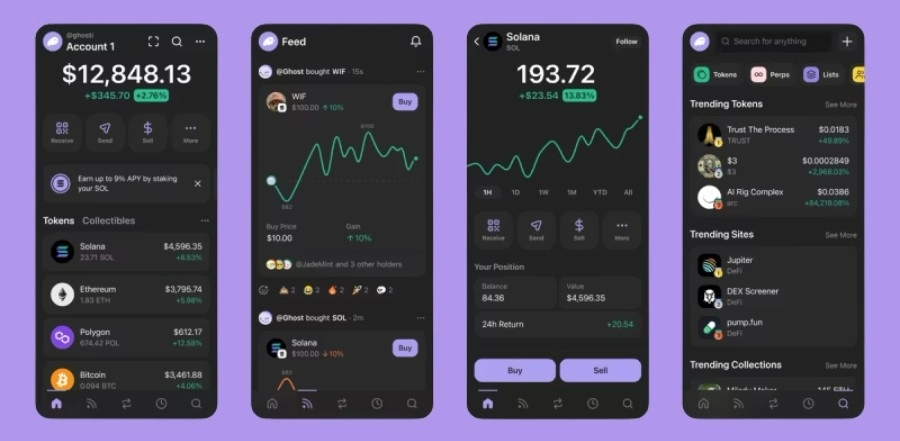
Phantom has become the leading wallet in the Solana ecosystem thanks to its speed, clean user experience, and strong support for NFTs and DeFi applications.
The wallet was originally designed specifically for Solana, but it has gradually expanded to support additional ecosystems such as Ethereum and Polygon. Despite this expansion, Phantom remains strongest within the Solana ecosystem.
One of Phantom’s biggest advantages is its simplicity. Sending tokens, staking SOL, managing NFTs, and connecting to dApps all feel smooth and beginner-friendly compared to many older crypto wallets.
Phantom also includes built-in scam detection and transaction previews, which help users better understand what they are approving before signing transactions. This has become increasingly important as phishing attacks and malicious smart contracts continue to grow across Web3.
Because of its lightweight design and fast transaction experience, Phantom is especially popular among active Solana users involved in NFTs, memecoins, and DeFi trading.
Key Features:
- Leading wallet for the Solana ecosystem
- Fast and beginner-friendly interface
- Strong NFT and DeFi support
- Built-in staking functionality
- Scam detection and transaction previews
- Supports browser extension and mobile app usage
Ledger Nano X – Best Hardware Wallet for Long-Term Security
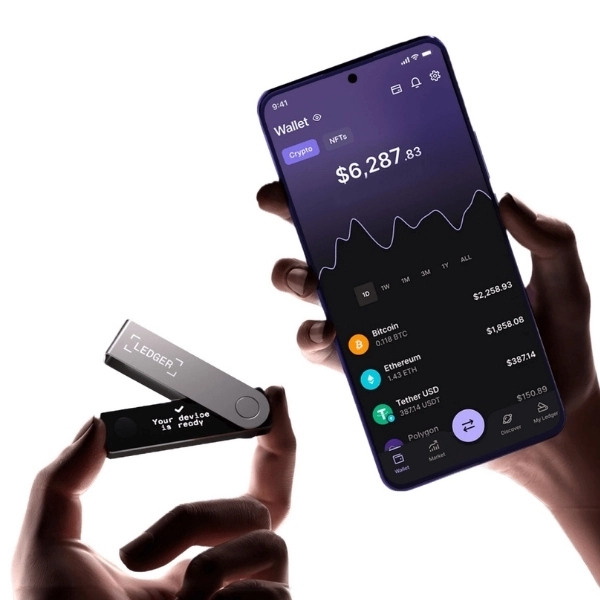
For users who prioritize security above everything else, Ledger Nano X is one of the most trusted hardware wallets in the crypto industry.
Unlike software wallets that remain connected to the internet, Ledger stores private keys offline. This significantly reduces the risk of malware, phishing attacks, and wallet exploits, making it a popular choice for long-term investors and users holding large amounts of crypto.
The device supports thousands of cryptocurrencies and can connect with many software wallets and DeFi applications through Ledger Live or external integrations. The Nano X model also includes Bluetooth support, allowing users to manage assets directly from a mobile device without exposing private keys online.
Ledger is especially useful for users who want stronger protection while still maintaining access to staking, NFTs, and DeFi features through compatible apps.
However, hardware wallets are less convenient for frequent trading compared to hot wallets like MetaMask or Trust Wallet. Users must also carefully protect their recovery phrase, since losing it could permanently lock access to funds.
Key Features:
- Offline cold storage for private keys
- Strong protection against hacks and malware
- Supports thousands of cryptocurrencies
- Bluetooth connectivity for mobile use
- Compatible with staking and DeFi integrations
- Ideal for long-term crypto storage
Trezor Model T – Best Open-Source Hardware Wallet
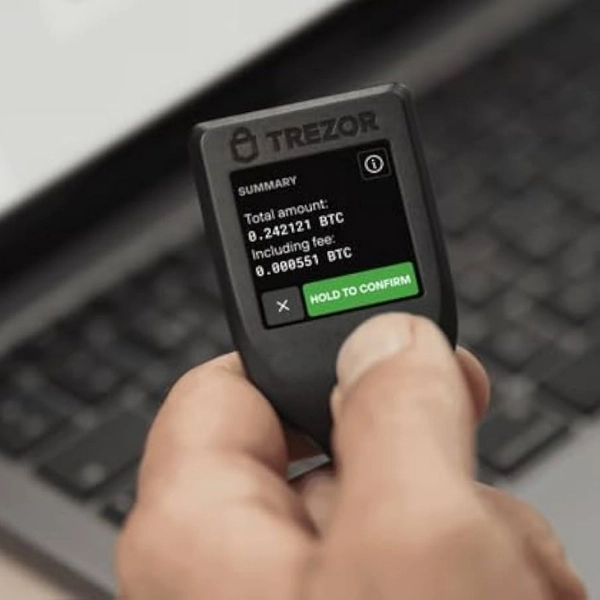
Trezor Model T is one of the most respected hardware wallets for users who value transparency and open-source security.
Unlike some hardware wallet manufacturers that use partially closed systems, Trezor’s software and firmware are largely open source. This allows security researchers and developers to inspect the code publicly, which many users see as an important trust advantage.
The wallet supports a wide range of cryptocurrencies and includes features such as PIN protection, passphrase support, transaction verification, and offline private key storage. The touchscreen interface on the Model T also makes navigation easier compared to older hardware wallet designs.
Trezor is especially popular among Bitcoin-focused users and long-term holders who prioritize self-custody and transparency over convenience.
While it is excellent for cold storage, it is less optimized for active DeFi usage compared to software wallets. Many users combine Trezor with wallets like MetaMask for safer interaction with decentralized applications.
Key Features:
- Open-source firmware and software
- Offline private key storage
- Touchscreen interface for easier verification
- Strong support for Bitcoin and major cryptocurrencies
- Passphrase and PIN security features
- Popular among long-term self-custody users
Read more: Hot vs Cold Wallet: Which Should You Choose?
How to Choose the Best Crypto Wallet
The best crypto wallet depends on how you use crypto and what level of security you need.
- Beginners often prefer wallets like Trust Wallet or Phantom because of their simple interfaces and easy setup process.
- DeFi and Web3 users may prefer MetaMask because of its strong compatibility with decentralized applications and Ethereum-based networks.
- Long-term investors usually benefit more from hardware wallets like Ledger Nano X or Trezor Model T because private keys remain offline.
- Multi-chain users should prioritize wallets that support multiple ecosystems instead of being limited to a single blockchain.
- Large portfolio holders often combine multiple wallets—for example, using a hardware wallet for long-term storage and a hot wallet for daily DeFi activity.
When choosing a wallet, it is important to balance convenience and security rather than focusing only on features.
Learn more tips to secure your web3 assets: What Is the Safest Way to Store Cryptocurrency in 2026?
FAQs
Q1. Is Trust Wallet better than MetaMask?
It depends on your use case. Trust Wallet is more beginner-friendly and supports more blockchains out of the box, while MetaMask is stronger for Ethereum-based DeFi and Web3 applications.
Q2. Should I use a hardware wallet?
If you hold a large amount of crypto or plan to store assets long term, using a hardware wallet is usually recommended because it provides stronger protection against hacks and phishing attacks.
Q3. Can I use multiple crypto wallets?
Yes. Many users combine multiple wallets for different purposes, such as using a hardware wallet for long-term storage and a hot wallet for daily trading or DeFi activity.