

Choosing the right crypto wallet is one of the most important steps in protecting your digital assets. All wallets fall into 2 main categories: hot wallets and cold wallets. While they both store and manage cryptocurrencies, they differ significantly in how they operate, how secure they are, and how easy they are to use.
Hot wallets stay connected to the internet, offering convenience and speed for everyday transactions, while cold wallets remain offline, prioritizing maximum security. Understanding the difference between a hot vs cold wallet is essential for anyone in crypto — and this guide will help you decide which one suits your needs best.
What Is a Crypto Wallet?
A crypto wallet is a tool that allows you to store, send, receive, and manage your digital assets securely. At its core, a wallet doesn’t actually hold your cryptocurrency — instead, it stores the private keys that give you access to the coins recorded on the blockchain. Whoever controls those keys controls the assets, which is why wallet security is so critical.
There are two main types of wallets: software-based (which run on devices like phones or browsers) and hardware-based (physical devices that store keys offline). Both serve the same purpose but offer different trade-offs between security and convenience. This leads to the fundamental divide in the crypto world: hot wallets vs cold wallets, each with its own strengths and weaknesses.
What Is a Hot Wallet?
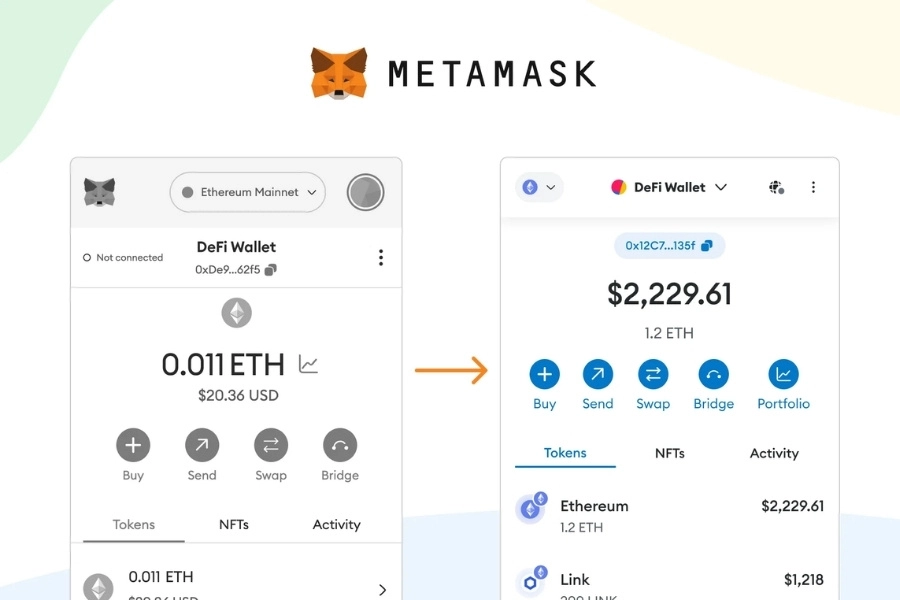
A hot wallet is a type of cryptocurrency wallet that remains connected to the internet at all times. This constant connectivity makes it easy to send, receive, and manage digital assets instantly, which is why hot wallets are the most common choice for everyday users and active traders. They come in several forms, including mobile apps, desktop software, web wallets, and browser extensions, all of which store your private keys online.
Because they are always online, hot wallets are extremely convenient. They allow you to access your funds quickly, interact with DeFi platforms, mint NFTs, or trade tokens on decentralized exchanges with just a few clicks. However, this convenience comes with trade-offs — the biggest being security. Any wallet connected to the internet is potentially vulnerable to hacking, phishing, and malware attacks. If someone gains access to your private keys, they gain control over your crypto.
Despite these risks, hot wallets are ideal for storing smaller amounts of cryptocurrency that you use frequently. Popular examples include MetaMask, Trust Wallet, and Coinbase Wallet, all of which are free, easy to use, and widely supported across the Web3 ecosystem. Many experienced users combine a hot wallet for day-to-day transactions with a cold wallet for long-term storage, striking a balance between convenience and safety.
What Is a Cold Wallet?
A cold wallet is a cryptocurrency wallet that stores your private keys completely offline, disconnected from the internet. Because of this, cold wallets are considered the most secure option for storing digital assets — they are far less vulnerable to hacking, malware, or phishing attacks compared to online solutions. Cold storage is the go-to choice for long-term investors, institutions, or anyone holding a significant amount of crypto.
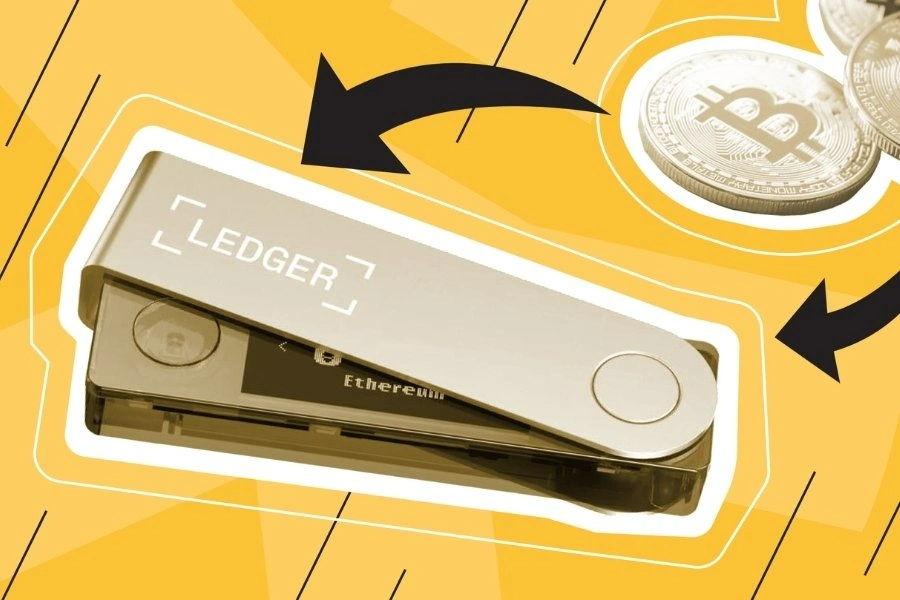
Cold wallets come in several forms, the most popular being hardware wallets — physical devices that keep your private keys isolated from the internet. Brands like Ledger and Trezor are widely trusted for their strong security features and user-friendly interfaces. Another form is the paper wallet, which involves printing your private and public keys on paper and storing it in a secure physical location. Though less common today due to usability concerns, paper wallets remain one of the simplest ways to keep keys offline.
The main advantage of a cold wallet is maximum security. Even if your computer or phone is compromised, your crypto remains safe because the private keys never touch an online environment. However, this security comes at the cost of convenience. Transferring funds from a cold wallet often requires connecting the device and manually authorizing transactions, which is slower than using a hot wallet.
Cold wallets are best suited for storing large amounts of cryptocurrency that you don’t need to access regularly — much like a savings account compared to the checking account nature of hot wallets. Most security-conscious users rely on a cold wallet as the foundation of their crypto storage strategy.
Hot vs Cold Wallet: Key Differences
While both hot and cold wallets protect your crypto assets, they differ in critical ways. Understanding these differences will help you choose the right option for your needs.
Security: Online Convenience vs Offline Protection
Security is the biggest factor separating a hot wallet vs cold wallet. Because hot wallets are always connected to the internet, they’re more exposed to risks like hacking, phishing, and malware attacks. Even with encryption and password protection, that online connection remains a potential vulnerability.
Cold wallets, by contrast, are offline by default. Your private keys never touch the internet, which makes them virtually immune to remote attacks. Even if your computer or phone is compromised, your assets in a cold wallet remain safe. That’s why serious investors often choose cold wallets for storing large amounts of crypto.
Accessibility: Speed and Convenience vs Security
Where hot wallets excel is accessibility. They’re quick, easy to use, and perfect for day-to-day activities — trading, interacting with DeFi platforms, or transferring tokens. Transactions happen instantly because the wallet is always connected.
Cold wallets trade that convenience for security. To make a transaction, you’ll usually need to connect the hardware device and approve it manually, which can take more time. While less convenient, this extra step adds an important layer of safety.
Cost: Free Software vs Premium Hardware
Most hot wallets are free to download and use, which makes them attractive to beginners or users with smaller portfolios. Cold wallets, on the other hand, are usually hardware devices that cost money — often between $50 and $200. While this adds upfront expense, many investors see it as a small price to pay for long-term asset protection.
Use Cases: Daily Transactions vs Long-Term Storage
Hot wallets are ideal for frequent transactions and active trading. They’re built for users who need quick access to their crypto, whether for buying NFTs or interacting with DeFi protocols. Cold wallets are better suited for long-term storage and large holdings, where maximum security is more important than convenience.
Many experienced investors use a combination of both — a hot wallet for regular activity and a cold wallet as a secure vault for the bulk of their assets.
Here’s a quick comparison to summarize the differences:
| Feature | Hot Wallet | Cold Wallet |
| Connection | Always online | Offline |
| Security | Lower – more vulnerable to hacks | Higher – immune to online attacks |
| Accessibility | Very convenient and fast | Less convenient, slower to access |
| Cost | Usually free | Usually paid (hardware device) |
| Best for | Daily use, active trading, DeFi | Long-term storage, large holdings |
Choosing between a hot wallet vs cold wallet depends on your priorities. If convenience and quick access are most important, a hot wallet may be enough. If maximum security and peace of mind are your main goals, a cold wallet is the better choice.
Read more: Private Key Best Practices: How to Keep Your Crypto Safe
How to Choose the Right Wallet for You
Choosing between a hot wallet vs cold wallet depends on how you plan to use your cryptocurrency, how much you’re storing, and what level of security you need. There’s no one-size-fits-all solution — the best wallet for you is the one that fits your habits and goals.
Consider How Often You Trade or Use Crypto
If you trade frequently, interact with DeFi platforms, or make daily transactions, a hot wallet is the most convenient option. Its always-online nature lets you send and receive crypto instantly without connecting external devices. For active users, this speed is essential.
If you mostly hold crypto as a long-term investment and don’t need regular access, a cold wallet is far safer. Its offline storage protects large amounts of crypto from online attacks, making it ideal for “HODLers” and institutions managing significant funds.
Think About Security vs Convenience
Ask yourself what matters more: accessibility or security. Hot wallets are faster and easier to use but more vulnerable. Cold wallets are highly secure but slower and slightly less convenient. Many experienced users solve this trade-off by using both — keeping a small amount in a hot wallet for daily use and storing the majority in a cold wallet for maximum protection.
Evaluate Your Budget and Portfolio Size
If you’re new to crypto or dealing with a small portfolio, starting with a free hot wallet is perfectly fine. But if you’re storing thousands of dollars’ worth of assets, investing in a hardware cold wallet like Ledger or Trezor is a smart move. That one-time cost significantly reduces your long-term risk.
Use Both for the Best of Both Worlds
For many users, the most secure and flexible approach is to use both types of wallets. Keep smaller, frequently used amounts in a hot wallet for trading and payments, and store the bulk of your holdings in a cold wallet for long-term safety. This combination gives you the convenience you need without compromising on security.
Ready to take control of your crypto with confidence? BIC Wallet gives you the security of cold storage with the convenience of a hot wallet — all in one seamless, non-custodial solution. Built with cutting-edge technologies like MPC, SSS, and Account Abstraction, it protects your assets while keeping Web3 simple and accessible.
Join Beincom today and experience secure, hassle-free crypto management built for the future of Web3.
FAQs about Hot and Cold Wallets
Q1. Is a hot wallet safe for storing crypto?
Hot wallets are secure enough for small amounts and daily transactions, but they’re more exposed to online threats because they’re always connected to the internet. Using strong passwords, enabling two-factor authentication, and avoiding suspicious links can help improve safety.
Q2. Can I store NFTs in a cold wallet?
Yes. Cold wallets like Ledger and Trezor can store NFTs securely by keeping your private keys offline. You can still view and manage your NFTs through compatible interfaces while maintaining maximum protection.
Q3. Can I use both a hot and cold wallet at the same time?
Absolutely — many crypto users do. It’s common to use a hot wallet for everyday transfers and DeFi activities and a cold wallet for long-term storage. This approach balances convenience with security.
Q4. Which is better for beginners: hot or cold wallets?
Beginners often start with a hot wallet because it’s free and easier to set up. As their holdings grow, they usually add a cold wallet to improve security and protect larger amounts of crypto.
Q5. What happens if I lose my cold wallet?
If you lose your hardware wallet but still have your recovery seed phrase, you can restore access to your funds on a new device. If you lose both the device and the recovery phrase, your crypto is permanently lost — so storing that phrase securely is essential.





![[HOT] Unlock a KYC Package (~100 BIC) In Just 2 Simple Steps](https://bictoken.global/wp-content/uploads/2025/09/free-kyc-package.jpg)
