In the world of cryptocurrency, security is everything. Unlike traditional banking, where a lost password or stolen card can be recovered, crypto ownership depends entirely on your private keys. If those keys are hacked, leaked, or stolen, your assets are gone — permanently.
This is why hardware wallets have become a core tool for crypto investors. As digital assets grow in value and cyberattacks become more sophisticated, relying solely on exchange accounts or mobile wallets is no longer enough. Hardware wallets offer the highest level of protection by keeping your private keys offline, far away from malware, phishing attempts, and remote attacks.
In this guide, you’ll learn exactly what a hardware wallet is, how it works, why it’s considered the safest way to store crypto, and how to choose the right one for your needs. Let’s dive in!
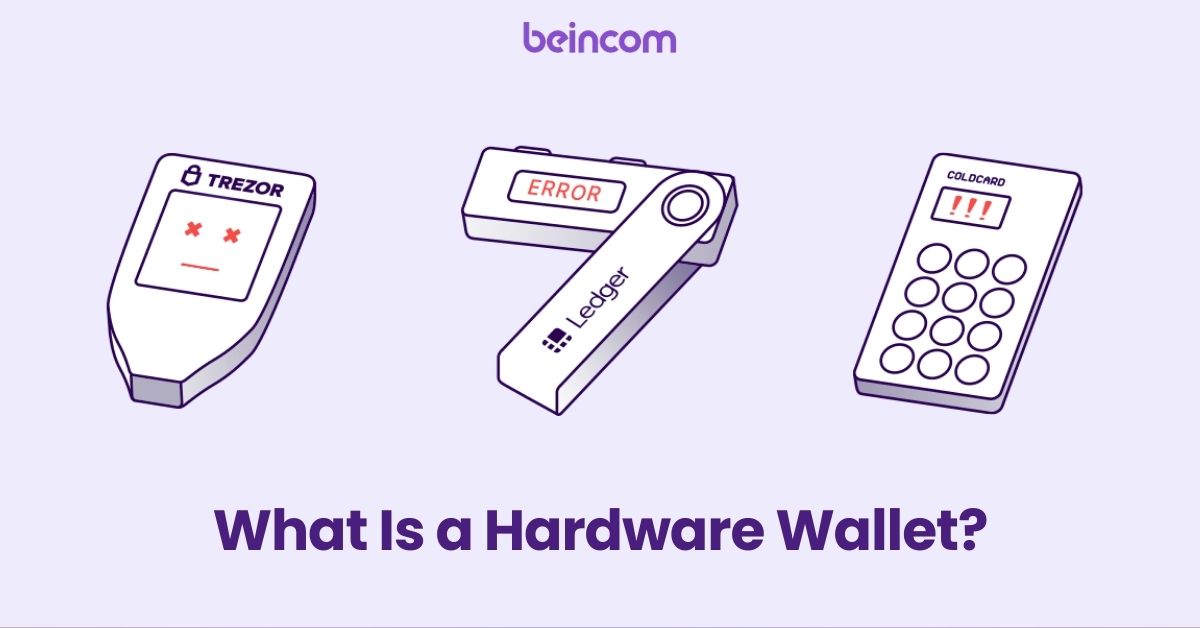
What Is a Hardware Wallet?
A hardware wallet is a physical, offline device designed to securely store your cryptocurrency private keys. Unlike software wallets — which run on mobile apps, desktops, or browser extensions — hardware wallets isolate your keys from the internet, making them nearly impossible to hack remotely.
Think of it as a digital vault. Even when you connect a hardware wallet to a computer or phone to make a transaction, your private keys never leave the device. The signing happens internally, ensuring your sensitive information is protected at all times.
Hardware wallets are especially popular among long-term holders, high-value investors, and anyone who prioritizes maximum security. By combining offline storage with encrypted chips and secure firmware, they offer one of the safest ways to protect Bitcoin, Ethereum, NFTs, and other digital assets.
Key characteristics of a hardware wallet include:
- Offline private key storage: Eliminates exposure to online threats.
- Secure transaction signing: Keys never touch the internet or the connected device.
- PIN code or biometric access: Prevents unauthorized use if the wallet is lost.
- Recovery seed phrase: Allows asset recovery even if the device is damaged or stolen.
- Support for multiple cryptocurrencies: Most modern devices handle hundreds or thousands of assets.
Hardware wallets serve one primary purpose: giving you complete control over your crypto while minimizing security risks.
Read more: Hot vs Cold Wallet: Which Should You Choose?
How Does a Hardware Wallet Work?
A hardware wallet protects your crypto by keeping your private keys offline — but understanding how it works helps you see why it’s considered the gold standard for security.
At its core, every crypto wallet (hardware or software) does the same basic job: It stores your private keys, which are required to authorize transactions on a blockchain. The difference lies in where those keys are stored and how transactions are signed.
Offline Key Generation
When you first set up a hardware wallet, it generates your private keys directly inside the device using a secure chip (often called a Secure Element). These keys never leave the device, not even during backups or firmware updates.
You receive a recovery seed phrase (usually 12–24 words) that lets you restore your wallet if the device is lost or damaged. This phrase must be stored securely — anyone with it can access your crypto.
Secure Transaction Signing
When you want to send crypto:
- You connect the hardware wallet to a computer or phone.
- Your wallet app (e.g., Ledger Live, Trezor Suite, MetaMask) prepares the transaction.
- The unsigned transaction is sent to the hardware wallet.
- The device signs the transaction internally, using your private keys.
- The signed transaction is returned to the app and broadcast to the blockchain.
At no point are your private keys exposed to the connected device or the internet.
Physical Confirmation
Hardware wallets require you to physically confirm each transaction by pressing a button or using a touchscreen. This prevents malware on your computer from tricking you into sending funds without your approval.
It also ensures that even if your phone or PC is compromised, your crypto remains safe.
Encrypted Storage & Secure Firmware
Most hardware wallets use:
- Secure Element chips (similar to those used in credit cards and passports)
- Tamper-resistant hardware
- Firmware verification to ensure the device hasn’t been altered
These layers protect against physical theft and advanced attacks.
Why This Matters
By keeping your keys offline, hardware wallets remove the biggest risk in crypto: remote hacking.
Even if someone hacks your computer, installs malware, or imitates your wallet app, they still cannot access your funds without:
- your physical device,
- your PIN, and
- your confirmation of any transaction.
This blend of hardware security + offline storage is why hardware wallets are considered the safest way to store long-term crypto holdings.
Why Use a Hardware Wallet?
A hardware wallet isn’t just another accessory — it’s one of the strongest security tools available for anyone holding crypto. Whether you’re a long-term investor or an active user, understanding why people choose hardware wallets helps you decide if it’s the right fit for your security needs.
Maximum Protection Against Online Attacks
Most crypto losses happen because private keys are exposed through malware, phishing, exchange hacks, or compromised software wallets. A hardware wallet eliminates these risks by keeping your keys offline at all times.
Even if your computer is infected, your private keys remain safe because they never touch the internet.
Full Control Over Your Assets (Self-Custody)
When you store your crypto on a centralized exchange (CEX), you don’t control the private keys — the exchange does.
If the platform freezes withdrawals, gets hacked, or goes bankrupt, your funds can be at risk.
A hardware wallet ensures:
- You own your private keys
- Only you can authorize transactions
- You are not dependent on third-party custody
“Not your keys, not your crypto” is the core principle behind hardware wallets.
Safety for Long-Term Storage
Hardware wallets are ideal for holding:
- Bitcoin
- Ethereum
- Stablecoins
- DeFi assets
- NFTs
- Any long-term investment
Because they’re offline, they’re essentially immune to remote theft — making them perfect for cold storage or savings-style holdings.
Protection From Human Error
Hardware wallets require physical confirmation for every transaction.
That means even if you accidentally click a malicious link or sign a suspicious smart contract in a browser wallet, the hardware device won’t approve it unless you verify it.
This adds a crucial layer of defense against:
- Phishing
- Fake websites
- Fake tokens
- Malicious contract approvals
Multi-App Compatibility
Modern hardware wallets integrate with major crypto apps and ecosystems, including:
- MetaMask
- Ledger Live
- Trezor Suite
- Rabby
- Exodus
- Solflare
- Many DeFi protocols
This means you can enjoy the flexibility of software wallets without compromising on security.
Secure Recovery Options
Your 12–24 word seed phrase lets you safely restore your wallet if:
- The device is lost
- The device is damaged
- You upgrade to a newer model
As long as your recovery phrase is protected, your funds remain accessible — no company account recovery or support tickets needed.
Peace of Mind
Security in the crypto world can feel overwhelming, especially with the constant news of scams and hacks. A hardware wallet dramatically reduces risk and gives users confidence that their crypto is protected by professional-grade security.
For anyone serious about safeguarding digital assets, a hardware wallet is not optional — it’s essential.
Common Risks & Limitations of Hardware Wallets
Hardware wallets are secure, but they aren’t risk-free. Users should be aware of common pitfalls:
- Physical Damage or Loss: Hardware wallets are small devices. Dropping or damaging them can temporarily prevent access if backup phrases aren’t available.
- Seed Phrase Vulnerability: The 12–24 word recovery phrase is the key to your crypto. Losing it or storing it digitally can lead to permanent loss.
- User Mistakes: Falling for fake apps, phishing scams, or counterfeit devices can compromise security.
- Initial Setup Complexity: First-time users may struggle with PINs, firmware updates, or backup procedures.
- Cost Compared to Software Wallets: Hardware wallets require upfront investment, unlike free mobile or browser wallets.
Understanding these limitations helps users take preventive measures while enjoying enhanced security.
Hardware Wallet vs Software Wallet vs Exchange Wallet
Here’s a clear comparison of wallet types:
| Feature | Hardware Wallet | Software Wallet | Exchange Wallet |
| Security | High – keys offline | Medium – connected to device | Low – custodial control |
| Convenience | Moderate – requires device | High – instant access | Very high – instant use |
| Best For | Long-term holding, security-conscious | Everyday use, moderate crypto | Trading, beginners, short-term holding |
Key Takeaway: Hardware wallets are ideal for long-term storage and self-custody, software wallets are convenient for frequent transactions, and exchange wallets are best for active trading but involve custodial risk.
How to Choose a Hardware Wallet
Selecting the right hardware wallet depends on multiple factors:
- Security Features to Prioritize: Secure element chips, PIN protection, passphrase options, and tamper-proof design.
- Supported Crypto Networks: Check if your wallet supports Bitcoin, Ethereum, Layer-2 tokens, and NFTs you plan to hold.
- Budget Considerations: Prices range from $40 to $200+, so balance security and cost.
- Firmware Transparency: Open-source firmware allows independent audits for added trust.
- Ecosystem & App Support: Compatibility with wallet apps like Ledger Live, MetaMask, or Trezor Suite improves usability.
- Reputation & Brand Trust: Established brands with strong track records reduce risks of counterfeit or insecure devices.
Prioritizing these factors ensures both safety and usability.
Best Practices for Hardware Wallet Security
Never Store Seed Phrase Digitally
Your seed phrase is the master key to your crypto assets. Storing it digitally — such as in cloud drives, email, photos, or screenshots — exposes it to hackers, malware, and phishing attacks. Even temporary digital storage can lead to permanent loss. Always write your seed phrase on paper or use metal backups and store it offline in a secure location.
Use Metal Backup Plates
Paper backups are vulnerable to fire, water damage, and physical wear over time. Metal backup plates provide a durable solution that can survive extreme conditions. Engrave or stamp your seed phrase onto a corrosion-resistant metal plate and store it in a safe or fireproof location. This ensures your recovery key remains intact even in emergencies.
Keep Devices Updated
Hardware wallet manufacturers regularly release firmware updates to patch security vulnerabilities, improve performance, and add support for new cryptocurrencies. Failing to update can leave your wallet exposed to known attacks. Always follow official instructions and only download updates from the manufacturer’s verified sources.
Avoid Buying Second-Hand Devices
Used wallets may have been tampered with or compromised, putting your funds at risk. Always purchase new, factory-sealed hardware wallets from official manufacturers or authorized resellers. Check packaging authenticity and verify device serial numbers when possible to ensure the device hasn’t been tampered with.
Anti-Phishing Habits
Phishing attacks remain a common threat in crypto. Always verify URLs, wallet software authenticity, and transaction details before approving actions. Never enter your seed phrase or private keys on websites or apps that you did not directly install or verify. A small mistake can result in the irreversible loss of your assets.
Passphrase Usage (Advanced Security)
Many hardware wallets allow an optional passphrase in addition to the seed phrase. This creates a “hidden” wallet that is only accessible with the correct passphrase. Even if someone gains access to your seed phrase, they cannot access funds without the passphrase. While this adds complexity, it significantly increases security for high-value holdings.
Learn more tips at: How to Stay Safe in DeFi: Simple Ways to Protect Your Crypto
Popular Hardware Wallet Brands
Hardware wallets vary in features, security models, and supported cryptocurrencies. Here’s a closer look at some of the most widely-used hardware wallets:
Ledger
Ledger is one of the most recognized hardware wallets in the crypto space. It supports a vast range of cryptocurrencies and tokens, making it suitable for users with diverse portfolios. Ledger devices integrate with both mobile and desktop apps, providing flexibility in managing assets. Its secure element chip design ensures private keys remain offline, while firmware updates continuously strengthen security against emerging threats.
Strengths:
- Extensive crypto support, including ERC-20, BEP-20, and many others.
- High-level security with certified secure elements.
- Cross-platform compatibility for desktop and mobile management.
Considerations:
- Slightly higher learning curve for beginners.
- Device cost is higher than some budget alternatives.
Trezor
Trezor offers open-source firmware and a user-friendly interface, making it a favorite among both beginners and experienced users. Its transparent design allows the community to verify the security of its code. Trezor supports a wide range of cryptocurrencies, although slightly fewer than Ledger, and provides seamless integration with web and desktop wallets.
Strengths:
- Open-source firmware enhances transparency and trust.
- Simple setup and intuitive interface.
- Strong track record in the hardware wallet market.
Considerations:
- Limited mobile app support compared to Ledger.
- Some advanced features may require additional software.
SafePal
SafePal targets cost-conscious users and those seeking a mobile-focused experience. It supports multiple blockchain networks and can manage tokens across major chains. The wallet uses air-gapped signing via QR codes, keeping private keys offline during transactions. SafePal’s combination of affordability and multi-chain support makes it an attractive choice for casual investors.
Strengths:
- Budget-friendly pricing.
- Mobile-first design with user-friendly app.
- Supports multiple blockchain networks.
Considerations:
- Slightly fewer advanced security features than premium wallets.
- Some features require smartphone usage.
Keystone
Keystone is designed for advanced users prioritizing security. Its fully air-gapped transaction signing ensures private keys never touch the internet. Keystone is ideal for high-value holders and crypto professionals who demand strong defense against hacks, phishing, and malware.
Strengths:
- Complete air-gapped operation for maximum security.
- Supports multi-chain assets and NFTs.
- Advanced features suitable for professional users.
Considerations:
- Less beginner-friendly.
- Higher initial cost.
BitBox02
BitBox02 is a compact, minimalist hardware wallet with a strong focus on usability. Its open-source firmware enables community auditing, while the small design makes it portable. BitBox02 is beginner-friendly and provides essential security features without overwhelming new users.
Strengths:
- Small and portable design.
- Open-source firmware for transparency.
- Easy to set up and use for beginners.
Considerations:
- Limited screen size may affect usability for some advanced tasks.
- Fewer third-party integrations compared to Ledger or Trezor.
CoolWallet
CoolWallet offers a unique credit-card form factor that emphasizes mobility. Users can carry the wallet in a wallet or pocket and manage assets via a mobile app. CoolWallet supports a moderate number of cryptocurrencies and is convenient for on-the-go users who prioritize portability over extensive multi-chain coverage.
Strengths:
- Ultra-portable, credit-card size.
- Easy mobile app management.
- Quick setup and transaction process.
Considerations:
- Limited crypto support compared to Ledger or Trezor.
- Not ideal for users with complex portfolios or advanced security needs.
This breakdown allows readers to compare hardware wallets based on security, usability, and crypto support. It also provides context for different user preferences — from casual investors to advanced traders — without being promotional.
Conclusion
Hardware wallets remain the most secure method for storing cryptocurrencies, offering users full control over their private keys and protecting against hacks, phishing, and malware. Choosing the right hardware wallet depends on your priorities: Ledger and Trezor excel in security and ecosystem support, SafePal and CoolWallet focus on affordability and mobility, while Keystone and BitBox02 cater to advanced or minimalist users. By understanding each wallet’s strengths and limitations, crypto holders can select a device that balances security, convenience, and compatibility with their portfolio.
FAQs
Q1. What is a hardware wallet?
A hardware wallet is a physical device that securely stores cryptocurrency private keys offline, protecting your assets from hacks, malware, and phishing attacks.
Q2. Are hardware wallets safe to use?
Yes. When purchased from official vendors and used correctly, hardware wallets offer one of the safest ways to store cryptocurrencies. Security is enhanced by keeping the seed phrase offline and regularly updating the device firmware.
Q3. Can hardware wallets store multiple types of cryptocurrencies?
Most hardware wallets support multiple cryptocurrencies and tokens, including Bitcoin, Ethereum, stablecoins, and some DeFi tokens. Supported assets vary by device, so it’s important to check before purchase.
Q4. What should I do if I lose my hardware wallet?
If your wallet is lost, you can still recover your funds using the backup seed phrase. Keeping your seed phrase secure and offline is critical for recovery.
Q5. How does a hardware wallet compare to a software wallet?
Hardware wallets provide superior security for long-term storage, while software wallets are more convenient for frequent transactions. For large holdings, hardware wallets are strongly recommended.
Q6. Can someone steal my crypto if they get my hardware wallet?
Not without your PIN and seed phrase. Adding an extra passphrase provides another layer of protection, making it nearly impossible for a thief to access your funds.
Q7. How often should I update my hardware wallet?
Regular firmware updates are essential. Updates patch security vulnerabilities and add support for new cryptocurrencies or features.