Cryptocurrency gives you full control over your money—but that control also comes with responsibility. Unlike traditional banking systems, there is no central authority to recover your funds if they are lost or stolen. Over the years, billions of dollars worth of crypto have been lost due to hacks, scams, and simple mistakes like misplaced private keys.
This is why understanding the safest way to store cryptocurrency is essential for anyone entering the crypto space. Whether you are a beginner or a long-term investor, choosing the right storage method can make the difference between protecting your assets and losing them permanently.
In this guide, we’ll explore the safest ways to store crypto, compare different wallet types, and help you choose the best option based on your needs.
Types of Crypto Wallets
Before choosing the safest way to store cryptocurrency, it’s important to understand the two main types of crypto wallets: hot wallets and cold wallets. Each type offers a different balance between convenience and security.
Hot Wallets
Hot wallets are crypto wallets that are connected to the internet. They are commonly used for everyday transactions because they allow quick and easy access to your funds.
Examples of hot wallets include mobile apps, browser extensions, and exchange wallets like Binance or Coinbase.
Hot wallets are popular because they are easy to set up and convenient to use. However, because they are always online, they are more vulnerable to risks such as hacking, phishing attacks, or malware.
In general, hot wallets are suitable for:
- small amounts of crypto
- active trading or daily use
Cold Wallets
Cold wallets are wallets that are not connected to the internet, making them significantly more secure against online threats.
The most common types of cold wallets include hardware wallets and paper wallets. Hardware wallets, such as Ledger Nano X or Trezor Model T, store your private keys offline and only connect to the internet when needed to sign transactions.
Because they remain offline most of the time, cold wallets are much harder for hackers to access. This makes them the preferred option for long-term storage.
Cold wallets are best suited for:
- long-term investors
- storing large amounts of cryptocurrency

Safest Way to Store Cryptocurrency
There is no single method that fits every user, but some storage solutions are widely considered safer than others. The best approach depends on how often you use your crypto, how much you hold, and your level of experience.
Below are the most secure ways to store cryptocurrency, along with when to use each method.
Hardware Wallets
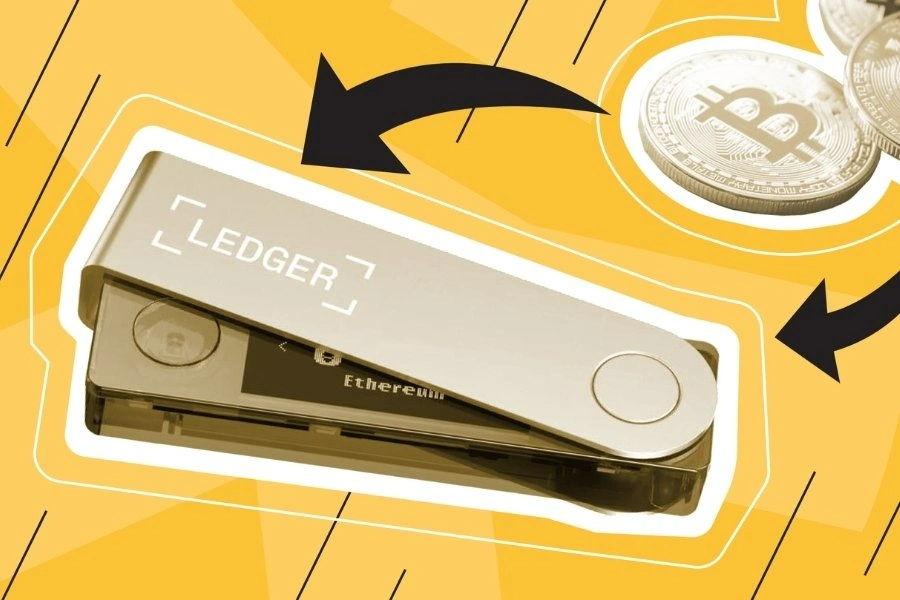
Hardware wallets are often considered the safest way to store cryptocurrency for most users. These are physical devices that store your private keys offline and only connect to the internet when you need to approve a transaction.
Popular options include Ledger Nano X and Trezor Model T.
Because your private keys never leave the device, even if your computer is compromised, attackers cannot easily access your funds. Transactions must be physically confirmed on the device, adding an extra layer of security.
Hardware wallets are best for:
- long-term investors
- storing large amounts of crypto
Cold Storage (Offline Methods)
Cold storage refers to keeping your private keys completely offline at all times. This can include hardware wallets or even paper wallets where keys are written down and stored securely.
The main advantage of cold storage is that it removes exposure to online threats entirely. As long as the private keys are stored safely, they cannot be hacked remotely.
However, this method requires careful handling. Losing access to your private keys or recovery phrase means losing your funds permanently.
Cold storage is suitable for:
- long-term holding
- users prioritizing maximum security
Multi-Signature Wallets
Multi-signature (multi-sig) wallets add an extra layer of protection by requiring multiple approvals before a transaction can be executed.
Instead of relying on a single private key, a multi-sig wallet may require two or more keys to authorize a transaction. This reduces the risk of a single point of failure.
For example, a wallet could be set up so that:
- one key is stored on a hardware wallet
- one key is kept offline
- one key is used as a backup
Even if one key is compromised, funds cannot be accessed without the others.
Multi-signature wallets are commonly used by:
- advanced users
- teams or organizations managing shared funds
Using Exchanges Safely (If Necessary)
While storing crypto on exchanges is generally less secure than using your own wallet, it may still be necessary for trading or short-term storage.
Platforms like Binance or Coinbase provide built-in security features such as two-factor authentication (2FA) and withdrawal protection.
However, users do not control their private keys on exchanges, which means they rely on the platform’s security. History has shown that exchanges can be hacked or experience outages.
If you use an exchange, it’s best to:
- store only small amounts
- enable all available security features
- withdraw funds to a private wallet for long-term storage
Choosing the safest method depends on your needs, but in most cases, combining cold storage for security and hot wallets for convenience offers the best balance.
How to Choose the Right Crypto Storage Method
Choosing the safest way to store cryptocurrency depends on your specific situation. There is no one-size-fits-all solution—what works for an active trader may not be suitable for a long-term investor.
Instead of looking for a single “best” method, it’s more practical to choose a storage strategy based on how you use your crypto.
Based on Portfolio Size
The amount of crypto you hold should strongly influence your storage choice.
If you are holding a small amount, using a hot wallet or even an exchange wallet may be acceptable for convenience. However, as your portfolio grows, the risk also increases.
For larger holdings, it is generally safer to move funds into cold storage, such as a hardware wallet. Keeping a significant amount of crypto online exposes it to unnecessary risk.
Based on Usage Frequency
How often you access your crypto also matters.
If you trade frequently or use crypto for daily transactions, a hot wallet provides faster access and better usability. However, this convenience comes with higher security risks.
On the other hand, if you are a long-term holder who rarely moves funds, a cold wallet is a better option. It keeps your assets offline and protected from most online threats.
A common approach is to:
- keep a small amount in a hot wallet for daily use
- store the majority in cold storage
Based on Experience Level
Your technical knowledge and comfort level should also be considered.
Beginners may prefer simpler solutions such as trusted wallets or reputable exchanges, as they are easier to set up and manage. However, it’s still important to follow basic security practices.
More experienced users may choose advanced methods like hardware wallets, multi-signature setups, or even fully offline storage solutions for maximum security.
In practice, the safest way to protect crypto assets is often a combination of methods. By balancing convenience and security, you can reduce risk while still maintaining easy access to your funds when needed.
Best Practices for Storing Cryptocurrency Safely
No matter which storage method you choose, following proper security practices is essential. Even the most secure wallet can become vulnerable if basic precautions are ignored.
Here are some key practices to help protect your cryptocurrency:
- Secure your seed phrase offline
Your recovery phrase (seed phrase) is the most important part of your wallet. It should never be stored online, in screenshots, or on cloud services. The safest approach is to write it down and keep it in a secure physical location. - Never share your private keys
Private keys give full access to your funds. No legitimate service will ever ask for them. Sharing your private keys means giving away control of your crypto. - Use hardware wallets for large holdings
If you hold a significant amount of cryptocurrency, storing it in a hardware wallet reduces exposure to online threats and adds an extra layer of protection. - Enable two-factor authentication (2FA)
When using exchanges or hot wallets, always enable 2FA. This adds an extra step to the login process and helps prevent unauthorized access. - Be cautious of phishing attacks
Many crypto losses happen because of fake websites or scam messages. Always double-check URLs, avoid clicking suspicious links, and only download wallets from official sources. - Keep your software updated
Wallet apps, devices, and security software should be regularly updated to protect against newly discovered vulnerabilities.
Following these best practices significantly reduces the risk of losing your funds and helps ensure your cryptocurrency remains secure over the long term.
Common Mistakes to Avoid
Even with the right tools, many users lose their crypto due to simple but critical mistakes. Understanding these common pitfalls can help you avoid unnecessary risks.
- Keeping all funds on exchanges
While exchanges are convenient, they are also common targets for hacks. Storing all your crypto on a centralized platform means you don’t fully control your assets. - Storing seed phrases online
Saving your recovery phrase in cloud storage, email, or screenshots exposes it to hackers. If someone gains access to it, they can take your funds instantly. - Using weak passwords or no 2FA
Poor security practices make it easier for attackers to access your accounts. Always use strong, unique passwords and enable two-factor authentication whenever possible. - Falling for phishing scams
Fake websites, emails, and apps are designed to trick users into revealing their private keys or login credentials. Always verify sources before entering sensitive information. - Not backing up your wallet
Losing your device without a backup of your recovery phrase means losing access to your crypto permanently. Backups are essential.
Avoiding these mistakes is just as important as choosing the right storage method. In many cases, user error—not technology—is the biggest security risk in crypto.
For more tips, check out this article: How to Stay Safe in DeFi: Simple Ways to Protect Your Crypto
Conclusion
Storing cryptocurrency safely is not just about choosing the right wallet—it’s about understanding how to protect your private keys and minimize risk over time. With no central authority to recover lost funds, security ultimately depends on your own decisions and habits.
For most users, the safest approach is to combine different methods: use cold storage such as hardware wallets for long-term holdings, and keep only small amounts in hot wallets or exchanges for daily use. This balance allows you to maintain both security and convenience.
By applying the methods and best practices covered in this guide, you can significantly reduce the risk of hacks, loss, or unauthorized access—and take full control of your crypto assets.
FAQs
1. What is the safest way to store cryptocurrency?
The safest way to store cryptocurrency is to use a hardware wallet or cold storage, where your private keys are kept offline. This minimizes exposure to online threats such as hacking and phishing attacks.
2. Are hardware wallets 100% safe?
Hardware wallets are considered one of the most secure options, but they are not completely risk-free. Their safety depends on how you use them. If your recovery phrase is exposed or stored insecurely, your funds can still be compromised.
3. Is it safe to keep crypto on exchanges?
Keeping crypto on exchanges is convenient but less secure than using your own wallet. Platforms like Binance or Coinbase offer security features, but users do not control their private keys. It’s generally recommended to store only small amounts on exchanges.
4. What happens if I lose my private key or seed phrase?
If you lose your private key or recovery phrase, you will lose access to your cryptocurrency permanently. There is no way to recover it, which is why secure backups are essential.
5. Can cryptocurrency be hacked from a cold wallet?
Cold wallets are highly secure because they are offline, which makes remote hacking extremely difficult. However, funds can still be at risk if the private keys or recovery phrase are exposed or mishandled.