Decentralized applications, or dApps, are becoming one of the key building blocks of the Web3 ecosystem. Unlike traditional apps that rely on centralized servers and are controlled by single entities, dApps run on blockchain networks, making them transparent, secure, and open for anyone to use.
The rise of dApps is changing how people interact with finance, gaming, social media, and even identity systems. From lending platforms like Aave to play-to-earn games such as Axie Infinity, decentralized applications are reshaping industries by removing middlemen and giving users more control.
This article explains what decentralized applications are, how they work, their benefits and challenges, and where the technology is heading. If you’re new to blockchain or simply curious about how dApps fit into the future of the internet, this guide will give you a solid foundation.
Learn more: What is DeFi and How Does It Work
What Are Decentralized Applications (dApps)?
A decentralized application, or dApp, is an application that runs on a blockchain or peer-to-peer network instead of being managed by a single company or authority. This structure removes central points of control and makes the application more transparent, secure, and resistant to censorship.
While traditional apps rely on centralized servers and databases, dApps use smart contracts—self-executing pieces of code stored on the blockchain—to handle logic and transactions. This means that once deployed, the rules of a dApp cannot easily be changed, and users can interact with the app directly without intermediaries.
Key features include:
- Decentralization: Operates on a distributed blockchain network rather than a central server.
- Transparency: All transactions are recorded on the blockchain and can be verified by anyone.
- Autonomy: Functions are automated through smart contracts, reducing the need for middlemen.
- User control: Many dApps give users governance rights or direct ownership of their assets.
In practice, dApps can resemble the apps we use every day—social platforms, finance tools, or games—but they are powered by decentralized networks.

How Do Decentralized Applications Work?
Decentralized applications run on blockchain networks, and their core functions are powered by smart contracts. A smart contract is a piece of code deployed on the blockchain that automatically executes actions when certain conditions are met. Because the contract lives on the blockchain, it cannot be altered unilaterally and will always perform as programmed.
Here’s a simplified breakdown of how dApps operate:
- Frontend (User Interface):
Just like traditional apps, dApps have an interface that users interact with—often a website or mobile app. The difference is that this frontend communicates directly with the blockchain instead of centralized servers. - Smart Contracts (Logic Layer):
The backend logic of a dApp is handled by smart contracts. These are responsible for executing actions such as processing a transaction, transferring tokens, or verifying ownership of an asset. - Blockchain (Data Layer):
All data, transactions, and state changes are stored on the blockchain. This ensures immutability (records cannot be changed) and transparency (anyone can verify activity). - Wallets for Interaction:
To use a dApp, users typically connect a crypto wallet like MetaMask, Trust Wallet, or Coinbase Wallet. The wallet allows users to authenticate, sign transactions, and interact with smart contracts securely.
For example:
- In a DeFi lending dApp, a smart contract automatically matches borrowers with lenders and manages collateral without requiring a bank.
- In a blockchain game, smart contracts control the ownership and transfer of in-game assets as NFTs.
By replacing centralized servers and intermediaries with code and consensus, dApps create systems where trust is placed in the technology itself rather than a third party.
Examples and Use Cases of Decentralized Applications
Decentralized applications are not a niche idea anymore — they’re powering billions of dollars in transactions and attracting millions of users worldwide. To understand their impact, let’s break down the major categories of dApps, real-world examples, and why they matter.
Decentralized Finance (DeFi)
DeFi is the most active sector for dApps. Instead of relying on banks or brokers, financial services are executed through smart contracts.
- Lending & Borrowing: Platforms like Aave or Compound let users supply liquidity to earn interest or borrow assets using crypto collateral.
- Decentralized Exchanges (DEXs): Apps such as Uniswap, Curve, and PancakeSwap allow peer-to-peer token swaps, with liquidity provided by the community.
- Derivatives & Stablecoins: Protocols like Synthetix and MakerDAO enable synthetic assets and stablecoin issuance.
Why it matters: DeFi dApps lower barriers to entry, allow global participation, and run 24/7 without centralized gatekeepers.

Looking for ways to invest in DeFi? Check out this article: How to Invest in DeFi: A Full Guide for Beginners
Gaming and Play-to-Earn (GameFi)
Gaming dApps introduce true digital ownership. Assets like characters, land, or items exist as NFTs that players can trade freely.
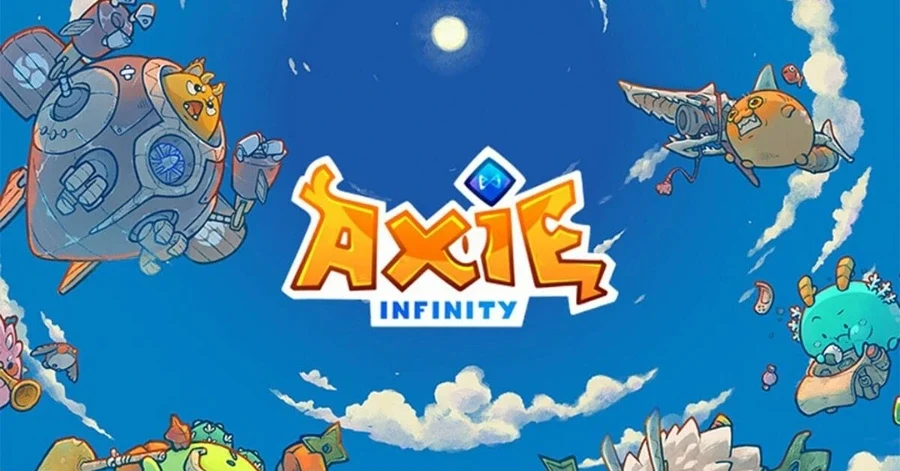
- Axie Infinity: One of the first play-to-earn games, where players battle creatures and earn tokens.
- Gala Games: Builds multiple blockchain games with NFT-based economies.
- The Sandbox & Decentraland: Metaverse platforms where land and in-game objects are NFTs.
Why it matters: For the first time, gamers can monetize their time and skills, owning assets that retain value outside the game itself.
NFT Marketplaces and Collectibles
NFTs are one of the most visible applications of dApps, enabling digital art, music, and collectibles.
- OpenSea: The largest NFT marketplace, where anyone can mint and sell NFTs.
- Rarible: A community-governed marketplace with its own governance token.
- NBA Top Shot: Official NBA highlights tokenized as digital “Moments.”
Why it matters: Creators can monetize work directly, collectors gain verifiable ownership, and royalties are automated through smart contracts.

Read more: Best NFT Marketplaces to Watch
Social Media and Content Platforms
Decentralized social apps aim to fix issues like censorship, monetization control, and data privacy.
- Lens Protocol: A composable, blockchain-based social graph.
- Steemit: A blogging and social media platform where users earn tokens for posting and curating content.
- Audius: A decentralized music streaming service where artists keep a larger share of revenue.
Why it matters: Users own their content and audience, not the platform. Monetization is transparent and community-driven.

Learn more: What is SocialFi? Everything You Need To Know
Infrastructure and Utilities
Beyond consumer apps, some dApps provide the tools and services that power Web3.
- Filecoin & Arweave: Decentralized storage solutions that keep data secure and permanent.
- Chainlink: A decentralized oracle network that connects blockchains with real-world data like prices and events.
- ENS (Ethereum Name Service): A decentralized naming system for blockchain addresses, like a “Web3 domain.”
Why it matters: These dApps are the backbone of Web3, enabling everything from storage to identity management.

DAOs (Decentralized Autonomous Organizations)
DAOs use dApps for governance, allowing communities to make collective decisions.
- Uniswap DAO: Token holders vote on upgrades and treasury spending.
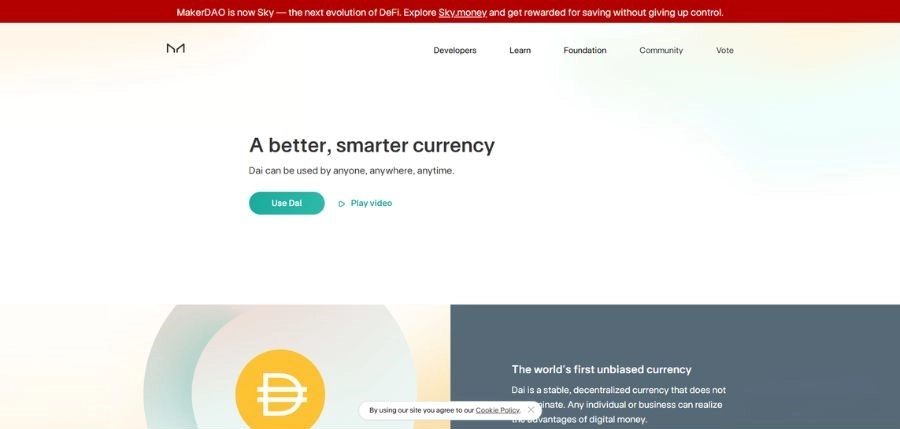
- MakerDAO: Governs the DAI stablecoin ecosystem.
- Friends with Benefits (FWB): A cultural DAO where membership is token-gated.
Why it matters: DAOs are reinventing how organizations are formed, governed, and funded — without relying on traditional hierarchies.
dApps are no longer experimental. They’re reshaping industries like finance, gaming, art, and social networking by removing intermediaries, boosting transparency, and empowering users with true digital ownership.
Advantages and Disadvantages of Decentralized Applications
Decentralized applications bring clear benefits, but they also face challenges that limit their mainstream adoption. Understanding both sides gives a realistic picture of where dApps stand today.
Advantages
- Censorship resistance: dApps run on decentralized networks, so no single authority can shut them down or block user access. This makes them powerful in industries where services are often restricted.
- Transparency: Every transaction and line of code is recorded on the blockchain. Users don’t have to rely on trust — they can verify how the application works at any time.
- User ownership and control: dApps often allow people to manage funds and data directly through their wallets. Many also distribute governance tokens, giving users a say in upgrades and decisions.
- Global accessibility: Anyone with an internet connection can use dApps, whether it’s lending on a DeFi platform, playing a blockchain game, or minting NFTs. This inclusivity is especially valuable for people without access to traditional financial systems.
Disadvantages
- Scalability issues: Popular blockchains like Ethereum can become congested, leading to high gas fees and slow confirmation times. This limits everyday usability.
- Complex user experience: Unlike Web2 apps that only require an email, dApps expect users to manage wallets, private keys, and gas fees. This steep learning curve slows adoption.
- Smart contract risks: Code vulnerabilities have led to major exploits and losses. Since contracts are hard to change once deployed, fixing bugs can be difficult.
- Regulatory uncertainty: Governments are still deciding how to regulate dApps, especially in finance. The lack of clarity creates risks for developers and users.
The advantages of dApps — openness, transparency, and user control — are compelling. However, challenges around scalability, usability, and regulation show that the technology is still in its early stages. Improvements in these areas will be key to mainstream adoption.
The Future of Decentralized Applications
Decentralized applications are still young, but they are developing fast. What started with experiments in finance and gaming is now growing into a much wider ecosystem.
A key focus is scalability. Blockchains such as Ethereum can be slow and expensive when traffic is high. To fix this, developers are turning to Layer 2 solutions like Arbitrum and Optimism, and to faster blockchains such as Solana and Polygon. These improvements aim to make dApps cheaper and more efficient for millions of users.
Another important trend is interoperability. Today, most dApps are locked to one blockchain. In the future, bridges and cross-chain tools will allow assets to move easily between networks. A user might borrow tokens on Ethereum, play a game on Polygon, and trade on Solana — all without friction.
dApps are also moving closer to real-world use cases. Beyond finance and NFTs, projects are exploring areas such as digital identity, supply chain tracking, healthcare, and even voting. These applications show that dApps can become useful beyond crypto circles.
Finally, user experience is improving. Wallets are becoming easier to use, and new technologies like account abstraction are making it possible to interact with dApps without deep technical knowledge. Just as the early internet became more user-friendly over time, dApps are heading in the same direction.
In short, the future of decentralized applications is promising. With better speed, smoother design, and wider use cases, dApps could form the backbone of the next generation of the internet.
FAQs About Decentralized Applications
Q1. What are decentralized applications in simple terms?
Decentralized applications, or dApps, are apps that run on blockchains instead of centralized servers. They use smart contracts to operate without middlemen.
Q2. How are dApps different from traditional apps?
Traditional apps are controlled by companies and hosted on private servers. dApps are open-source, transparent, and governed by code on decentralized networks.
Q3. What are some popular examples of dApps?
Notable dApps include Uniswap (decentralized exchange), Aave (lending and borrowing), Axie Infinity (play-to-earn game), and OpenSea (NFT marketplace).
Q4. Are dApps safe to use?
dApps are generally secure because they run on blockchains, but risks remain. Smart contract bugs, hacks, and scams can still cause losses, so users must research carefully.
Q5. Can anyone use dApps?
Yes. All you need is a crypto wallet and internet connection. However, users must understand how wallets, private keys, and transaction fees work before getting started.