The rise of Decentralized Finance (DeFi) has transformed how people interact with money. By removing intermediaries like banks or brokers, DeFi allows anyone with a crypto wallet to lend, borrow, trade, and earn — all powered by smart contracts on the blockchain. It’s fast, permissionless, and open to everyone.
But this freedom also comes with risk. Unlike traditional finance, DeFi has no safety net — no customer support, no chargebacks, and limited legal protection. Once funds are stolen or smart contracts are exploited, recovery is nearly impossible. Scams, phishing attacks, and protocol vulnerabilities have already cost users billions of dollars.
That’s why knowing how to stay safe in DeFi is critical. In this guide, we’ll explore the biggest risks in decentralized finance, practical steps to protect yourself, and the tools every investor should use to navigate DeFi securely.
Understanding DeFi Basics
Before learning how to stay safe, it’s essential to understand how DeFi (Decentralized Finance) works — and why its structure creates both opportunities and risks.
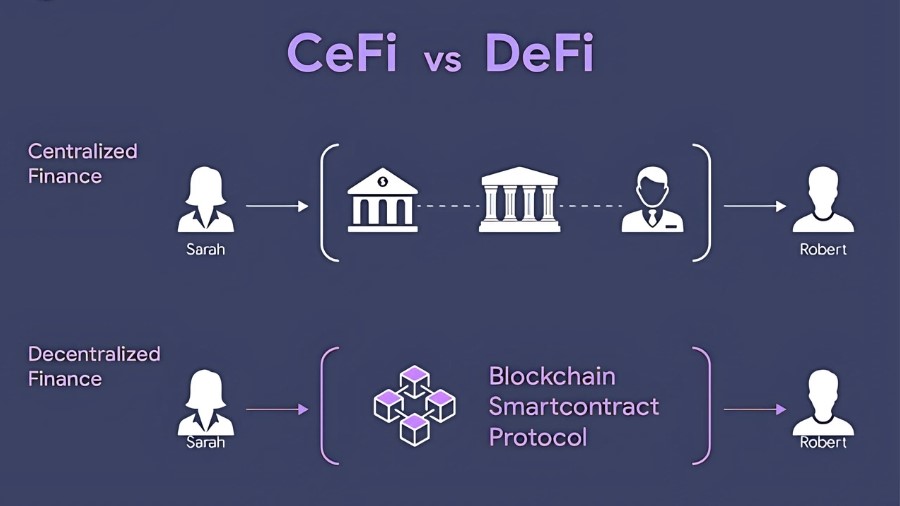
At its core, DeFi is built on blockchain networks like Ethereum, Arbitrum, and BNB Chain. Instead of relying on traditional intermediaries such as banks or brokers, DeFi uses smart contracts — pieces of code that automatically execute financial transactions when specific conditions are met. These contracts power decentralized applications (dApps) for activities like lending, borrowing, staking, or trading.
Because DeFi systems are open-source and permissionless, anyone can access or even build on them. This openness fuels innovation — but it also means that malicious developers or flawed code can enter the ecosystem without oversight. In traditional banking, regulatory frameworks ensure a level of protection. In DeFi, users are responsible for their own security.
To summarize:
- Traditional finance = centralized, regulated, and insured.
- DeFi = decentralized, transparent, but unregulated and self-managed.
Understanding this distinction is key. Once you control your funds in DeFi, you also take full responsibility for keeping them safe.
New to DeFi? Here are essential steps for you to get started: How to Invest in DeFi: A Full Guide for Beginners
Main Risks in DeFi
DeFi has unlocked incredible innovation — from permissionless lending to on-chain trading and yield generation. But it also comes with serious risks that traditional investors rarely face. Understanding these threats is the foundation of staying safe. Let’s break down the most common ones in detail.
Smart Contract Vulnerabilities
Smart contracts are the building blocks of DeFi. They automatically execute transactions without intermediaries — but because they’re code-based, even a single line of error can lead to catastrophic losses.
Hackers often exploit logical flaws or unverified contracts to manipulate how funds move within a protocol. For example, in 2022, the Wormhole bridge lost over $300 million due to a smart contract exploit — all because of one missing verification check.
To reduce this risk:
- Use only audited protocols with security reviews from firms like CertiK, PeckShield, or Trail of Bits.
- Read the audit report summary (many are public).
- Remember: “Audited” doesn’t mean “risk-free,” but it’s far safer than unaudited code.
Rug Pulls and Exit Scams
One of the most notorious forms of crypto scams, rug pulls happen when developers create a token or liquidity pool, attract investors with high yields, and then suddenly withdraw all liquidity — leaving users with worthless tokens.
These scams thrive in hype cycles, especially with new meme tokens or yield farms. Typical warning signs include:
- Anonymous or unverifiable developer teams.
- Unrealistic APYs (like 10,000% yield).
- No code audits or documentation.
- Liquidity controlled by one wallet (visible on-chain).
Always check if the liquidity is locked and whether the token contract is renounced (meaning developers can’t mint new tokens at will).
Phishing, Fake Sites, and Social Engineering
Cybercriminals often use deception instead of code to steal your crypto. Phishing sites, fake Twitter (X) accounts, or Telegram bots impersonate legitimate DeFi projects and trick users into connecting their wallets or entering seed phrases.
Once access is granted, funds are instantly drained. Some even use airdrop scams or “support team” messages to bait users.
To protect yourself:
- Always type URLs manually or use official links from verified sources.
- Never share your seed phrase — not even with “support.”
- Use browser extensions like PhishFort or MetaMask’s phishing detector to identify malicious websites.
Impermanent Loss and Liquidity Risks
Liquidity provision (LP) lets users earn yield by supplying tokens to decentralized exchanges like Uniswap or PancakeSwap. However, when the price of those tokens changes significantly, you face impermanent loss — meaning your total value can be lower than simply holding the assets.
For example: if you provide ETH/USDT liquidity and ETH’s price doubles, the pool automatically rebalances, leaving you with less ETH than before. That “loss” becomes permanent once you withdraw.
Liquidity risks also occur when a protocol suffers from low trading volume, high slippage, or unbalanced pools, leading to large losses during market volatility.
DYOR before providing liquidity — and always understand the risk-return trade-off.
Lack of Regulation and Accountability
DeFi operates outside traditional financial regulation. While this enables global access, it also means no insurance, no customer support, and no guaranteed refunds.
If a protocol is hacked, developers disappear, or liquidity vanishes, there’s often no one to hold accountable. Even audits and KYC’d teams can’t guarantee safety.
That’s why self-custody and personal risk management are crucial. Always use non-custodial wallets you control, double-check contracts before signing, and never invest more than you can afford to lose.
Bridge and Oracle Exploits
Cross-chain bridges — which allow assets to move between blockchains — are a frequent target for hackers. They’re complex systems that hold massive amounts of locked value, and exploits here often result in nine-figure losses.
Similarly, oracles (which feed external data to smart contracts) can be manipulated to distort prices and trigger faulty liquidations or arbitrage.
Always favor protocols using battle-tested bridges (like LayerZero, Wormhole v2, or Synapse) and reputable oracle providers such as Chainlink.
These risks don’t mean DeFi is unsafe — only that it requires vigilance and responsibility. The more you understand how these systems work, the better you can protect your assets and identify trustworthy platforms.
How to Stay Safe in DeFi: Best Practices
Staying safe in DeFi isn’t about avoiding risk completely — it’s about managing it intelligently. With the right habits, tools, and mindset, you can explore decentralized finance confidently while keeping your assets protected. Here are the most important best practices every DeFi user should follow.
Stick to Audited and Reputable Protocols
Always prioritize DeFi projects that have undergone independent security audits. A verified audit from firms like CertiK, Hacken, or Trail of Bits doesn’t eliminate risk, but it significantly reduces the chances of exploitable bugs or vulnerabilities.
In addition, look for projects with transparent documentation, active GitHub repos, and visible on-chain histories. Avoid platforms that can’t clearly explain how their smart contracts work or have no verifiable code.
Protect Your Wallet and Private Keys
Your wallet is your vault — treat it like one. Never share your seed phrase or private key, even with supposed “support staff.” Scammers often pose as official team members to trick users into giving access.
For maximum security:
- Use a hardware wallet (Ledger, Trezor) for large holdings.
- Keep a separate hot wallet for active transactions.
- Enable two-factor authentication (2FA) on all exchange or DeFi-related accounts.
- Avoid connecting your wallet to unverified dApps or links.
Remember: Not your keys, not your coins.
Learn more tips here: Private Key Best Practices: How to Keep Your Crypto Safe
Verify URLs and Avoid Phishing Links
Phishing remains one of the most common causes of crypto theft. Scammers create fake versions of popular DeFi platforms that look identical to the real sites.
To stay safe:
- Bookmark the official website of any DeFi project you use.
- Double-check for HTTPS and the correct domain before connecting your wallet.
- Be cautious of unsolicited messages or airdrops — if it sounds too good to be true, it probably is.
Tools like PhishFort, Metamask’s built-in detector, or Google Safe Browsing can help you spot malicious domains.
Always Do Your Own Research (DYOR)
Never invest based on hype, memes, or influencer promotions. Before using a DeFi platform or token, make sure to research:
- The project’s team and track record.
- The tokenomics and how tokens are distributed.
- The roadmap, partnerships, and long-term sustainability.
- Whether the protocol has been audited or verified by the community.
If you don’t understand where the yield or reward is coming from, that’s your first red flag.
Read more: How to Do Your Own Research (DYOR): A Step-by-Step Guide
Use On-Chain Security Tools
There are several tools that help users assess and monitor DeFi security in real time:
- De.Fi (formerly DeFiYield): Tracks exploit reports and audit results.
- Etherscan / BscScan: Verify contract addresses and wallet activity.
- DeFiLlama: Check protocol liquidity and TVL rankings.
- CertiK Skynet: Provides live security scores for major DeFi platforms.
These tools can help you identify red flags before it’s too late.
Diversify and Limit Exposure
Never put all your assets into one protocol or chain. Spread funds across different wallets, DeFi apps, and blockchains. This reduces the impact if one platform fails or gets hacked.
Additionally, consider keeping a portion of your crypto in cold storage, completely disconnected from the internet.
Watch Out for Unrealistic Yields
DeFi’s promise of high returns can be tempting — but unsustainably high APYs are often bait for scams. If a project offers 500% yield without clear economics, question where the money comes from. True DeFi yields usually come from trading fees, lending interest, or protocol incentives, not endless token printing.
DeFi rewards those who are careful, curious, and informed. Security starts with personal habits — not just technology. The more disciplined you are, the safer you’ll be.
Tools and Platforms to Enhance DeFi Security
Protecting yourself in DeFi goes beyond caution — it requires using the right tools and platforms designed to detect threats, monitor smart contracts, and safeguard your funds. Here are some of the best resources every DeFi user should know about.
Hardware Wallets (Cold Storage)
Hardware wallets like Ledger, Trezor, or SafePal are the most secure way to store crypto assets. They keep your private keys offline, out of reach of hackers or malicious browser extensions.
Use them for long-term holdings or when interacting with high-value DeFi protocols. Most reputable wallets integrate seamlessly with MetaMask and WalletConnect.
MPC Wallets and Smart Wallets
Modern wallets like Beincom’s BIC Wallet, Fireblocks, and ZenGo use MPC (Multi-Party Computation) or account abstraction to enhance security.
Instead of relying on a single seed phrase, your private key is split into encrypted parts, minimizing the risk of total loss even if one device is compromised. These wallets offer Web3-grade safety with a user-friendly experience.
Audit and Security Tracking Platforms
Before depositing funds into any DeFi protocol, check its audit status. The following platforms monitor vulnerabilities and publish transparent audit data:
- CertiK Skynet – Provides continuous, on-chain monitoring and “trust scores.”
- De.Fi (formerly DeFiYield) – Aggregates exploit reports, audit results, and real-time risk dashboards.
- Immunefi – Hosts bug bounty programs for major DeFi projects, incentivizing white-hat hackers to report flaws.
Audits can’t guarantee safety, but they drastically reduce risk.
Blockchain Explorers and Analytics Tools
Tools like Etherscan, BscScan, and Arbiscan let users verify contract addresses, token holders, and transaction history directly on-chain.
Meanwhile, platforms like Dune Analytics, DeBank, or Nansen provide advanced analytics for tracking whale movements, wallet interactions, and liquidity flows. If something looks off — like a sudden spike in token minting — it probably is.
Portfolio Trackers and Risk Dashboards
Use multi-chain dashboards such as Zapper, DeBank, or DefiLlama to monitor all your DeFi positions in one place. These platforms help you detect exposure, track rewards, and spot anomalies in your holdings early.
Browser Extensions and Anti-Phishing Tools
Security extensions like PhishFort, MetaMask’s built-in detector, or Wallet Guard warn you before connecting to suspicious dApps or fake websites.
They analyze domains and block malicious pop-ups that could lead to wallet-draining scams.
DeFi safety is about combining secure tools, careful behavior, and continuous learning. The ecosystem evolves fast — and so do the scams. Equipping yourself with the right security stack makes all the difference.

Looking for a DeFi platform to dive into? Check out this article: Top 10 DeFi Platforms You Should Know in 2025
What to Do If You Get Scammed or Hacked
Even the most careful DeFi users can fall victim to a scam, exploit, or phishing attack. While recovering stolen funds is extremely difficult, acting quickly and strategically can sometimes limit the damage or help others avoid the same fate. Here’s what to do if you ever get hacked in DeFi.
Disconnect Your Wallet Immediately
If you suspect suspicious activity, the first step is to disconnect your wallet from any decentralized applications (dApps) or websites you recently interacted with.
You can do this directly through your wallet (e.g., MetaMask → Settings → Connected Sites). This prevents further malicious transactions from being signed automatically.
Revoke Smart Contract Permissions
Attackers often exploit token approvals that allow a contract to move your assets. Go to tools like:
- Revoke.cash
- Etherscan Token Approval Tool
These let you review and revoke unnecessary permissions from any connected contract, closing off the attacker’s access.
Move Remaining Funds to a Safe Wallet
If you still have unaffected assets, transfer them to a secure hardware or MPC wallet as soon as possible. Assume the compromised wallet is no longer safe — never reuse its seed phrase.
Identify the Exploit and Gather Evidence
Document everything — screenshots, transaction hashes, timestamps, and communication logs. You can analyze suspicious transactions using Etherscan, DeBank, or Arkham Intelligence to trace stolen funds.
Some blockchain security teams and law enforcement agencies require this information to investigate on-chain crimes.
Notify the Community and the Project Team
If the exploit involves a DeFi platform, report it to the team immediately via official channels (Discord, X, or Telegram). Reputable projects may halt affected contracts, alert users, or even coordinate recovery efforts.
Sharing your experience also helps warn others and builds collective awareness.
Report the Incident to Security Services or Authorities
Organizations like CertiK, HackenProof, and Chainalysis sometimes assist in tracking stolen funds or freezing assets on centralized exchanges.
In serious cases, file a report with local cybercrime units — some have started cooperating with blockchain analytics firms for asset recovery.
Learn and Strengthen Your Setup
Getting scammed is painful, but it’s also a wake-up call. Review how the breach happened — whether it was a phishing link, bad contract, or poor key management — and update your strategy.
Consider switching to hardware wallets, using multi-sig protection, or spreading your funds across multiple accounts.
While full recovery is rare, quick action and transparency can sometimes limit the impact and protect others. In DeFi, security is a shared responsibility — and every mistake is a lesson for the entire ecosystem.
Conclusion
The promise of DeFi lies in financial freedom — open access, global participation, and full control over your assets. But that same freedom comes with personal responsibility. Without central authorities or safety nets, your security depends entirely on how informed and cautious you are.
By understanding DeFi’s main risks, sticking to audited protocols, protecting your wallet, and using reliable security tools, you can explore the decentralized world with confidence. Always remember: if a project sounds too good to be true, it probably is.
In DeFi, trust code, not hype — and never stop learning. The best defense isn’t luck or luckier timing; it’s awareness, skepticism, and consistent vigilance. Stay curious, stay careful, and you’ll stay safe.