NFTs are a key part of the Beincom ecosystem and the BIC token economy—not just a way for users to express their identity, but also a gateway to digital asset potential and passive income opportunities.
However, unlike most NFTs on the market, which often focus on collectability, NFTs on Beincom come with distinct characteristics that can offer real, tangible benefits—though these may not be immediately obvious to everyone.
Another important point to emphasize: Beincom is a decentralized platform where anyone can create and trade NFTs as long as they follow the system’s rules. NFTs cannot be faked—each one is unique and verifiable directly on the blockchain.
That’s why understanding the nature and mechanics of each NFT type is essential if you want to trade safely and effectively.
In this article, Beincom will walk you through the different types of NFTs on the platform, how to assess their real value, highlight some common pitfalls to avoid, and share best practices for safer trading.
Take a few minutes to read through. A little caution now can save you from bigger losses later.
2 Types of Beincom NFT
On Beincom, NFTs are divided into 2 main types with different functions and values: oNFTs and bNFTs. This classification helps users better understand the purpose and economic potential of each NFT type on the platform.
Let’s take a closer look:
oNFT – Ownership NFT
oNFT stands for “ownership NFT.” It represents ownership of a digital identity or asset linked to a personal or community account.
Specifically, oNFTs confirm ownership of elements like:
- Username (e.g., @beincom.community)
- Profile Name (e.g., Beincom Admin)
- Community Name (e.g., Beincom Community)
Because oNFTs are tied to identity and branding, they don’t generate passive income. However, investing in community or personal brand names can make oNFTs valuable assets that can be sold or transferred at negotiated prices.
bNFT – Base NFT
bNFT stands for “base NFT”. Owners of bNFTs can earn a portion (as a royalty fee) of the BIC tokens used when new corresponding oNFTs are created that contain the exact character string of their bNFT.
For example, the pbNFT “Elo” is part of the poNFT “Elon Musk”. When the poNFT is created, the pbNFT owner earns a share of royalties.
This mechanism turns bNFTs into a type of passive income asset — especially valuable when the bNFT’s character string frequently appears in newly minted oNFTs.
The value of a bNFT depends on:
- Utility: The more often a bNFT’s string appears across multiple oNFTs, the greater its earning potential.
- Length: According to the reward-sharing mechanism, shorter bNFTs receive higher priority, increasing their chances of earning rewards.
Read more: The Ultimate Guide to Beincom NFTs: Features, How to Use Them and Earn $BIC
| Criteria | oNFT (Ownership NFT) | bNFT (Base NFT) |
| Main Function | Represents ownership of a personal identity or identifiable asset. | Acts as a foundational NFT, eligible to earn a share of royalties when a new oNFT includes its character string. |
| Passive Income | No – only holds value when transferred or resold | Yes – earns rewards when it appears exactly in newly created matching oNFTs |
| Value Increases When | Brand recognition or resale demand | Utility and character length |
| Profit Model | One-time profit through resale | Ongoing earnings through system-wide revenue sharing |
| Use Cases |
|
|
Tier Classification Based on Character Length
On Beincom, both oNFTs and bNFTs are categorized into tiers based on the number of characters in the NFT’s name. Generally, the fewer characters, the higher the value and earning potential—especially for those focused on personal branding, organizations, or digital asset investment.
The tier system applies separately to two groups:
- Username
- Profile Name & Community Name
Comparison Table: oNFT vs. bNFT
| Tier | Username | Profile Name & Community Name |
| 1 | Less than 7 characters | Less than 11 characters |
| 2 | 7 to 10 characters | 11 to 24 characters |
| 3 | 11 to 15 characters | 25 to 40 characters |
| 4 | More than 15 characters | 41 to 64 characters |
This tier classification helps users easily identify the rarity and potential value of the NFTs they own or want to acquire.
How to Visually Identify NFT Tiers
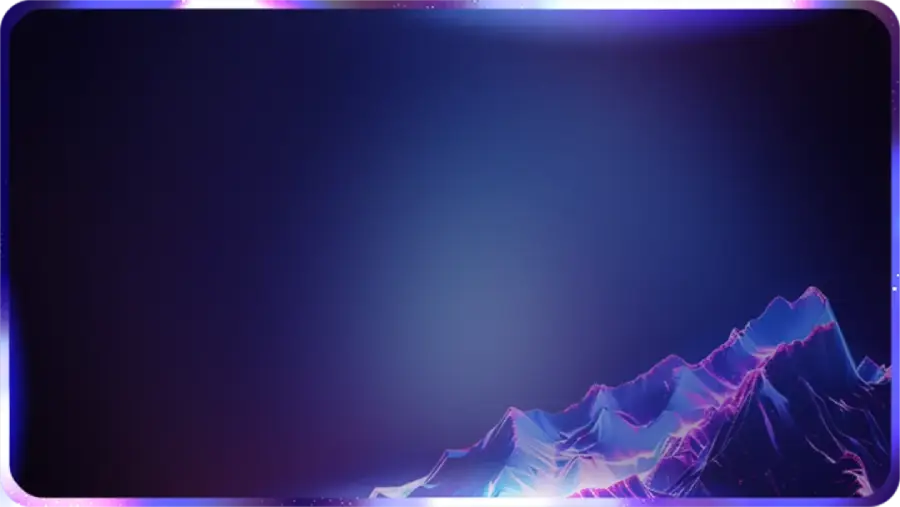
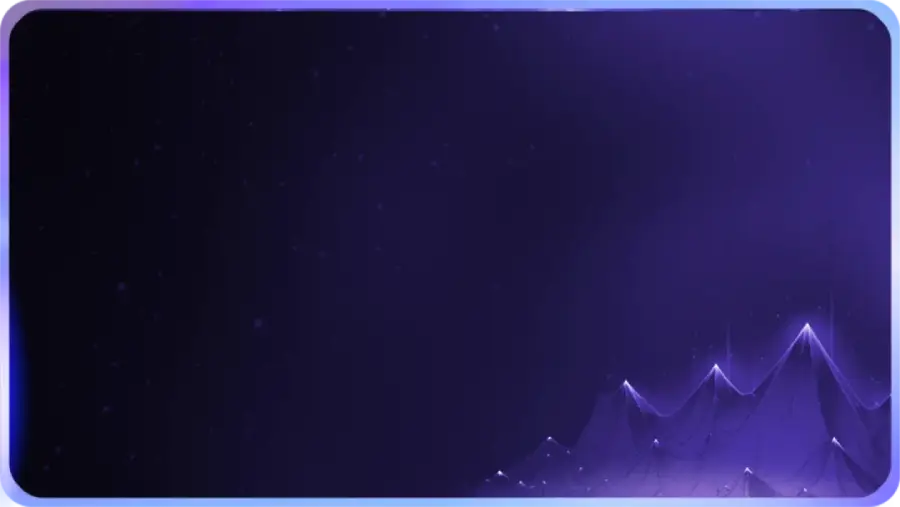
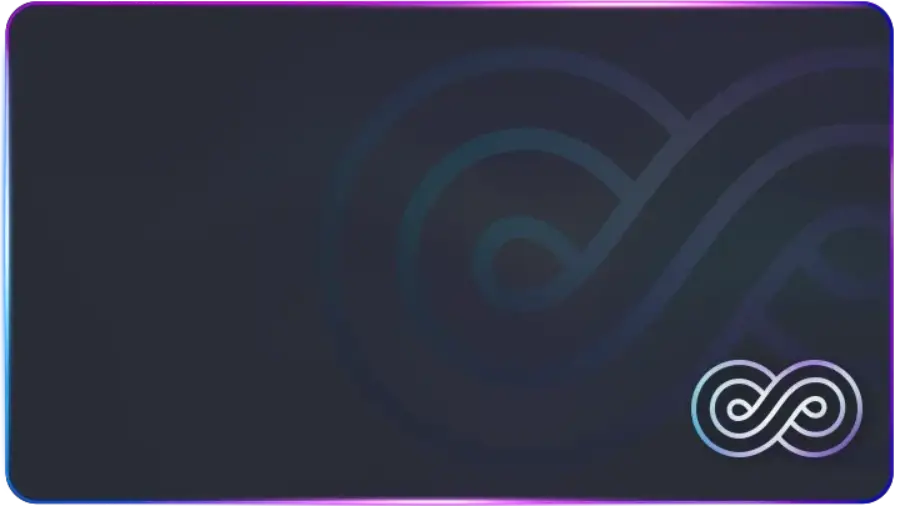
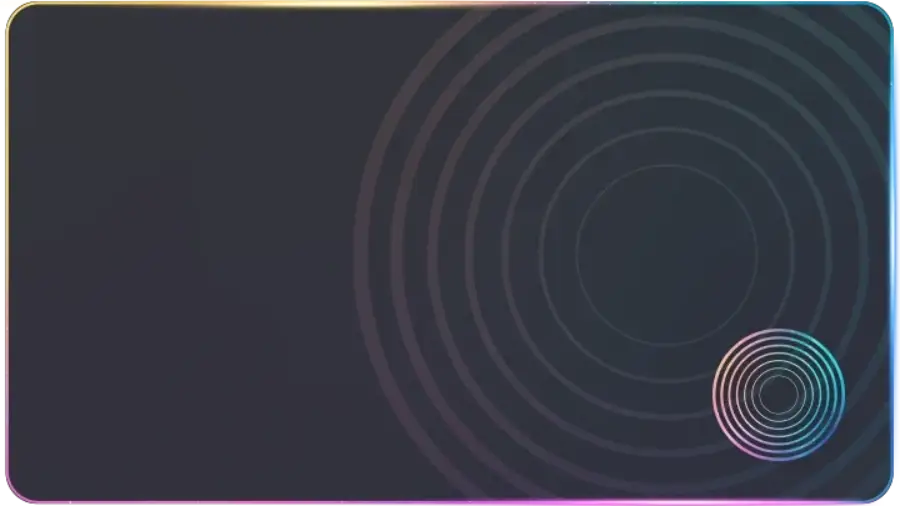
Since the Testnet phase, Beincom has implemented a system that uses distinct background colors for each Tier—separately for oNFTs and bNFTs. This makes it easy for users to recognize an NFT’s Tier at a glance, without having to manually count characters.
This visual method is especially helpful when NFTs include spaces, which count as valid characters and can make it tricky to tell the difference just by looking.
The system automatically assigns the correct background based on the exact character count, so you always see the true Tier.
For example:
- An NFT named “com” and another named “com .” (with extra spaces) might look identical visually, but they actually have different character counts and belong to different Tiers.
- Even if you try adding or removing spaces intentionally, the background reflects the accurate Tier, preventing manipulation or misunderstanding of the NFT’s value.
Below are the background colors corresponding to each Tier.
oNFT:
bNFT:
Important Notes for NFT Trading on Beincom
NFTs on Beincom are personalized digital assets with real economic value. However, the complexity in their classification and creation methods can lead to risks for users. Here are some key points to watch out for before trading:
#1. Confusing oNFTs with bNFTs
This is the most common mistake among new users. Since both bNFTs and oNFTs are types of NFTs, it’s easy to mix them up if you don’t fully understand their nature. You might accidentally mint an oNFT thinking it’s a profit-generating bNFT, or mint a bNFT when you actually meant to enhance your personal account’s credibility with an oNFT.
Tips:
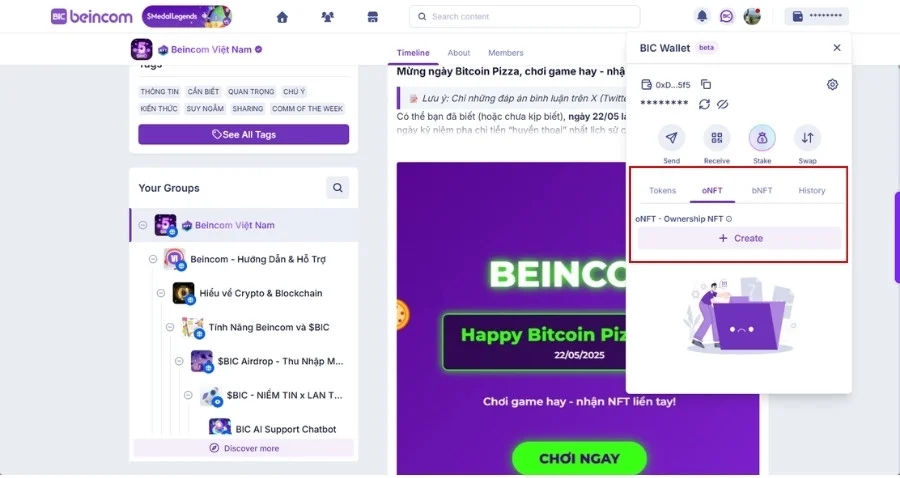
When minting an NFT, make sure to:
- Understand the specific characteristics of each NFT type
- Read the NFT description carefully to confirm whether it’s an Ownership NFT (oNFT) or a Base NFT (bNFT)
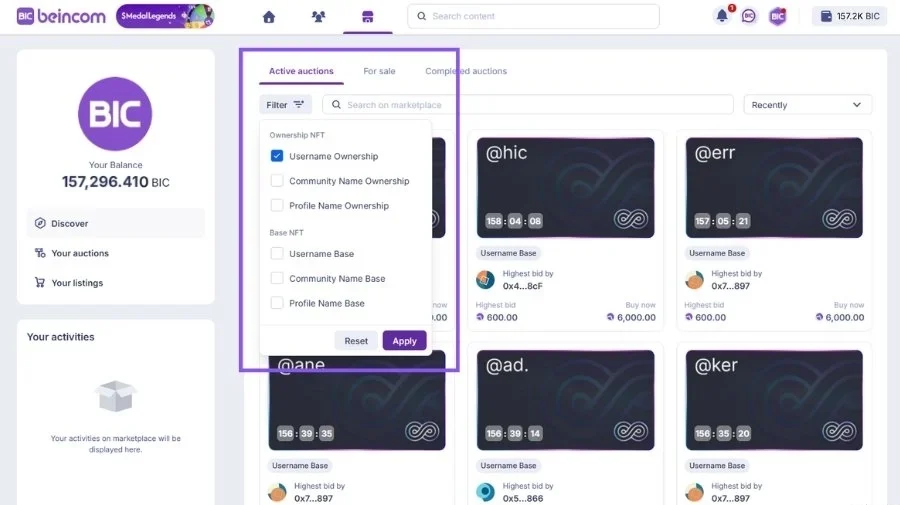
When buying an NFT on the Marketplace, make sure to:
- Use the search bar and filter tool to choose which NFT you want to buy.
#2. Confusion caused by hidden spaces in NFT
This is a subtle yet crucial issue: the number of invisible spaces in an NFT’s name can lead to:
- A change in the NFT’s Tier due to a different character count.
- Visual misidentification, as spaces are not clearly displayed in the UI.
This is especially true for cbNFTs (community base NFTs), which may contain multiple spaces — making them more prone to accidental misinterpretation.
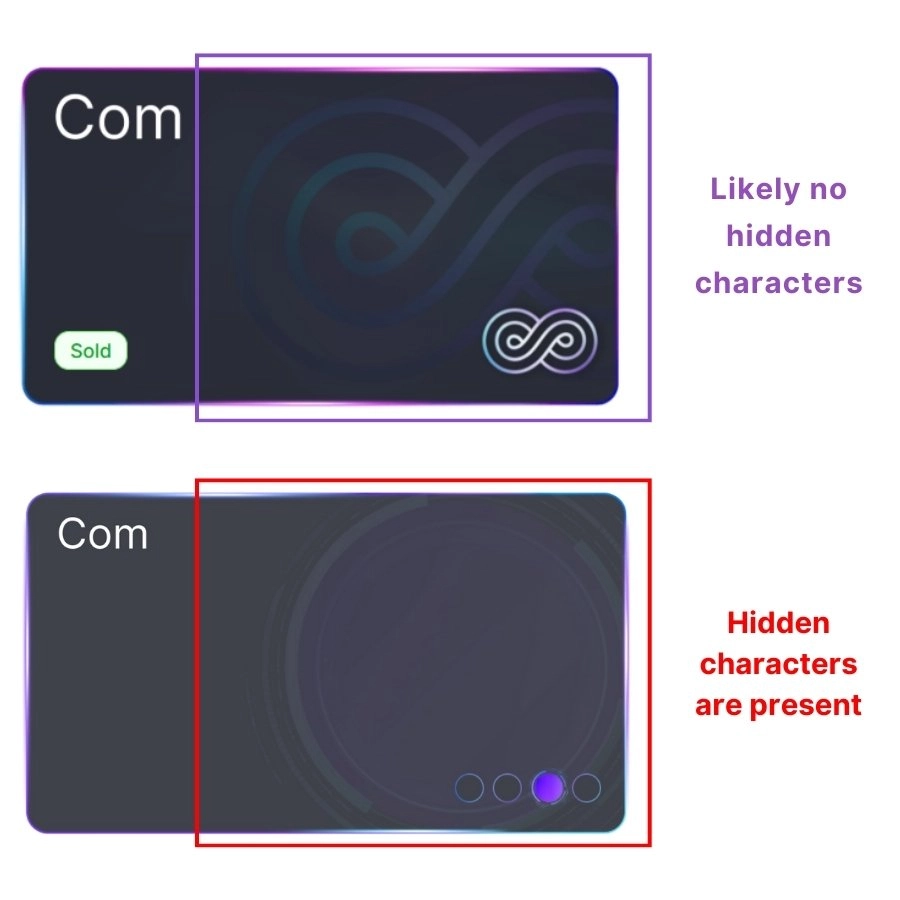
Quick tip: Look at the NFT’s background color, which the system automatically assigns based on the Tier, to confirm if the visible characters match the Tier displayed.
Example: Take a look at the 2 NFTs below.
The first NFT, “Com”, has 3 visible characters and displays a coNFT – Tier 1 background (for NFTs under 11 characters). This suggests the visible length matches the actual character count — likely no hidden characters.
The second NFT, “Com (?)”, also looks like 3 characters at first glance. However, it appears with a smaller font size and a coNFT – Tier 4 background (used for NFTs containing from 41 to 64 characters). This mismatch strongly indicates that hidden characters, such as spaces, are present — even if they’re invisible to the eye.
#3. Beware of decomposed characters and uncommon encoding standards
This is one of the lesser-known risks that can significantly affect the value and functionality of your NFT.
NFTs are essentially character strings—so even a tiny difference in encoding (even if it looks identical on screen) can make the system treat them as 2 completely different NFTs.
Example:
When typing in Vietnamese, the letter “ầ” requires 3 key presses: a + circumflex + grave accent. However, depending on your keyboard setup, there are 2 ways this input may be processed:
- Precomposed Unicode input (the most commonly used in Vietnamese today): after pressing all 3 keys, the system combines them into a single character.
- Decomposed Unicode input: even though you press the same keys, the system stores 3 separate characters, visually joined together to form the same letter.
This causes the system to detect a different character count, triggering warnings when the data doesn’t match.
Important Note:
- After KYC verification, Beincom standardizes account names to Precomposed Unicode.
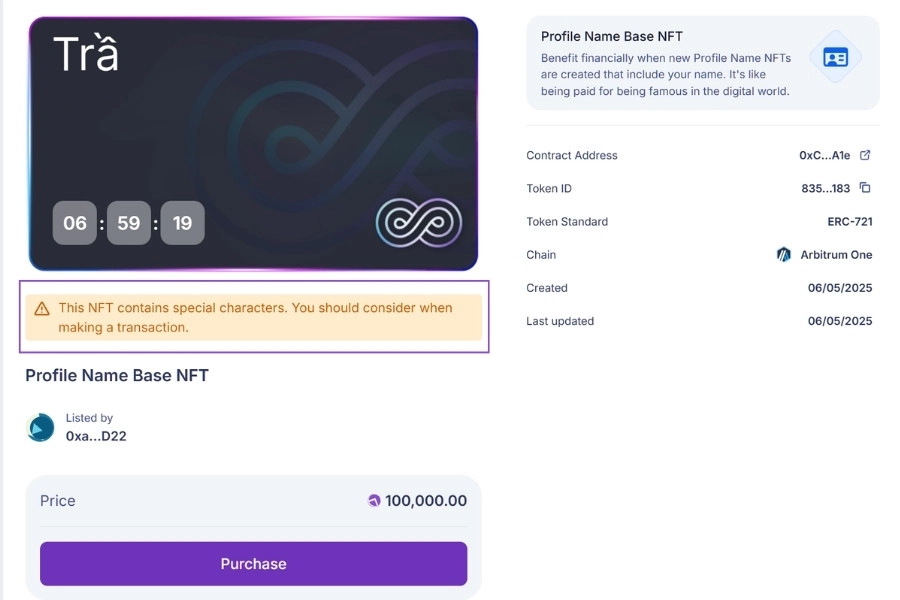
- If the system detects unusual characters or those typed using decomposed input, it will issue a warning on the NFT.
Real Impact:
- With oNFTs: If you mint or buy an oNFT that visually matches your account name but contains decomposed characters, it cannot be paired to your account due to encoding mismatch.
- With bNFTs: You will only receive rewards if the oNFT is created with exactly the same encoded character string as your bNFT. For example, if your bNFT uses decomposed Unicode but someone mints an oNFT using precomposed characters, the system will not recognize the link—meaning you won’t receive any reward.
#4. Other special cases
Beyond encoding issues, some even more subtle tricks exist—users may utilize special characters, obscure encodings, or visual variants to create NFTs that appear identical to well-known names but are in fact completely different character sequences at the data level.
This makes visual inspection alone insufficient. Users must conduct careful research and verification before making any transactions.
Beincom is actively working to detect, handle, and limit misleading practices through multiple layers of system checks, standardizations, and alerts. However, due to the complexity of modern character encoding systems and the creative ways users generate content, some cases may still slip past instant detection.
Therefore, individual vigilance remains the most important safeguard to protect your own assets and help foster a healthy, sustainable NFT environment.
To protect yourself, you should:
-
Ask the community: When you come across an unfamiliar or suspicious NFT, don’t hesitate to post it in the Beincom community to get support from experienced and reputable members (those who have completed KYC, made positive contributions, own NFTs, etc.).
-
Complete your own KYC: Not only does this increase your trustworthiness in transactions, but it also unlocks additional benefits—such as eligibility for Beincom’s 5-year airdrop.
Detailed Guide to Avoiding Risks and Checking NFTs Before Trading
Participating in the NFT market is a form of investment. Therefore, it is essential to fully understand the nature of the asset you are investing in, as well as how to check and prevent risks before making any transactions. Below are simple but must-know tips to avoid risks when trading NFTs on Beincom:
General guidelines for both NFT creators and buyers
Before engaging in any transaction on Beincom’s NFT marketplace—whether you’re minting a new NFT or buying an existing one—you should be aware of several essential rules and system mechanisms:
Understand the mechanism of Beincom NFTs
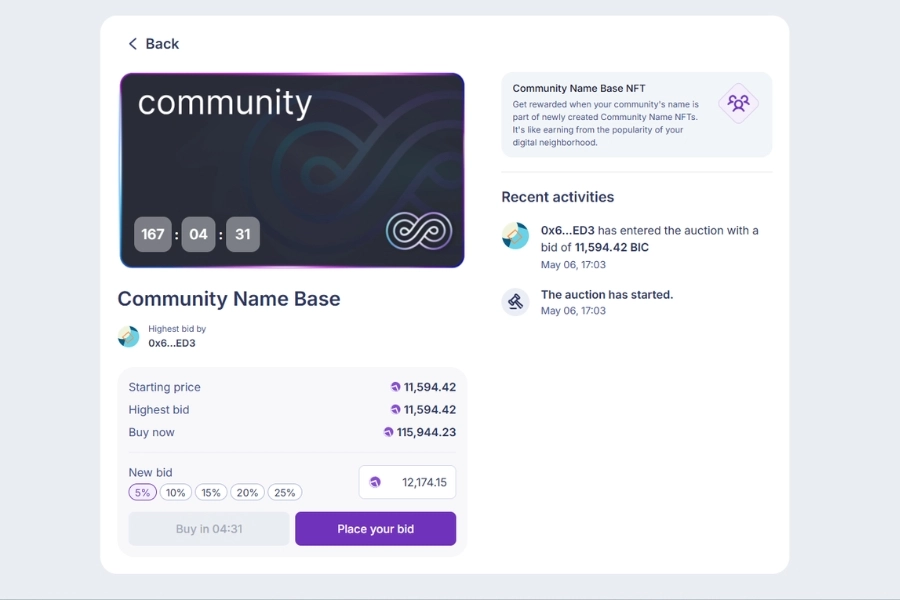
NFTs on Beincom are not ordinary digital images or artworks. In essence, each NFT is a unique string of characters. Every NFT corresponds to a specific sequence of characters, which determines its uniqueness and value.
Understanding how Beincom classifies NFTs into types and tiers, along with their use cases, will help you:
- Avoid common mistakes like minting the wrong type of NFT.
- Maximize the reward potential of your digital assets.
This foundational knowledge is key to navigating the Beincom NFT ecosystem effectively and safely.
More details available at: Innovative NFTs
Check your device’s input method carefully
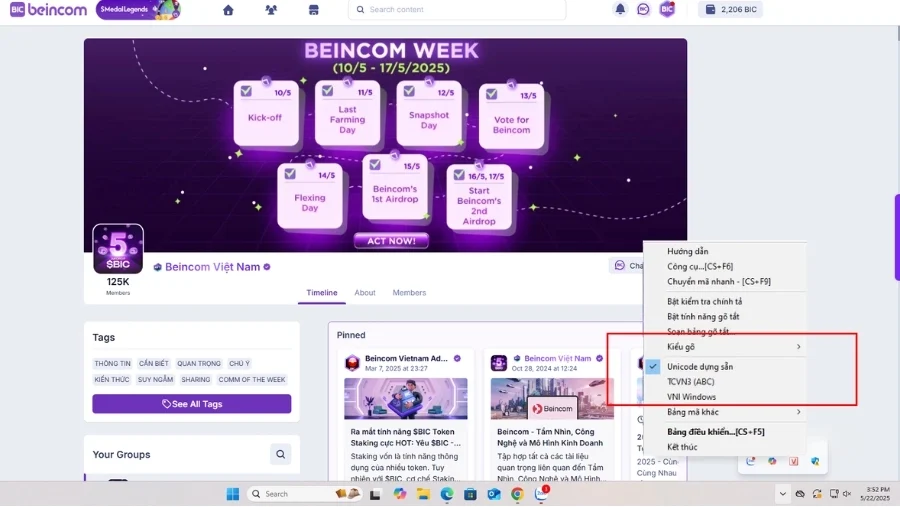
Since NFTs are strings of characters, even if they look identical, if created using decomposed characters (combined keystrokes) instead of precomposed characters (the standard input method, e.g., Unicode Precomposed), the system will treat them as completely different NFTs at the data level.
How to avoid this:
- Always verify whether your input method uses precomposed Unicode or decomposed Unicode to ensure compatibility.
- Understand the true nature of the NFT you are creating or trading—don’t rely solely on its visual appearance.
- Pay attention to system warnings when trading on the BIC Marketplace. Beincom will notify you if an NFT contains decomposed characters.
A little technical awareness will help you avoid unnecessary misunderstandings and protect your personal interests while participating in Beincom’s NFT ecosystem.
Understand the bNFT Reward Sharing Model
Grasping the reward distribution mechanism of bNFTs is the key to maximizing your opportunity to earn passive income within the Beincom system. This mechanism is intelligently and fairly designed, based on distributing BIC tokens from the minting fees of new NFTs.
Basic mechanism:
- Owners of bNFTs whose character strings match exactly within newly minted oNFTs will receive a portion of the BIC tokens from the minting fees of those oNFTs.
- Rewards are only distributed if the amount of BIC tokens allocated for sharing exceeds the gas costs, ensuring efficiency.
Important Notes:
The total BIC tokens shared among bNFT holders will not exceed 90% of the minting fee of the corresponding oNFT.
- Up to 10 bNFTs can receive rewards for each newly minted oNFT.
- Shorter bNFTs have higher priority to receive rewards.
- Each rewarded bNFT receives 10% of the 90% total distributed BIC tokens.
- Once 10 bNFTs have received rewards, any other eligible bNFTs will not receive rewards.
- If there are multiple bNFTs with the same length (e.g., the 10th, 11th, 12th bNFTs), the system will randomly select which 10 bNFTs get rewarded.
Example:
If you mint an NFT named “I LOVE BIC”, shorter bNFTs like “I L,” “LOV,” “BIC,” and “LOVE” will have higher priority for rewards. In contrast, longer bNFTs (even those with more exact matches) such as “I LOVE BIC” might not receive any reward.

Carefully read Beincom’s Terms and Policies
To protect your rights, you should take time to thoroughly understand the platform’s Terms & Conditions and Personal Data Protection Policy.
Details available at: USER TERMS AND CONDITIONS AND PERSONAL DATA PROTECTION
Understanding these regulations will help you know what to do when problems arise and avoid unwanted risks.
For NFT buyers
Before making a purchase, you should search for the NFT on BIC Marketplace to:
- Clearly identify whether the NFT is an oNFT or a bNFT.
- Accurately determine the NFT’s Tier.
- Check if it has already been owned or minted by someone else.
This is the easiest way to avoid buying NFTs that “look similar but aren’t the same.”
See more guides on exploring BIC Marketplace here.
For NFT minters
NFTs on Beincom are unique character strings — not images or graphics. Each NFT is identified by an exact character code, meaning:
- Even a difference in a space, uppercase/lowercase letter, accented/unaccented character, or using different input methods (e.g., precomposed vs. decomposed) makes it a completely different NFT.
- Therefore, an NFT only holds value and is recognized as a “match” if the character string is 100% identical in data.
See step-by-step guides on how to create oNFT and bNFT here.
Conclusion: Be a Winner in the NFT Game on Beincom
The crypto world is a fast-paced “playing field” where digital assets are not judged by appearance but by data, understanding, and strategy. Especially with NFTs—where even a tiny difference in a single character can completely change the value—you can’t trade based on feelings or guesses.
The winners are those who truly understand the game.
This also applies to Beincom’s NFT ecosystem. The best advice is:
“Do your research carefully before hitting the buy button” — this is the most effective way to protect yourself and ensure your NFT investment decisions are smart and well-founded.
Make full use of all the verification tools available on the BIC Marketplace, study every step carefully, and if you’re unsure—ask the community. You are never alone on this journey.
Beincom is committed to delivering real and sustainable value—because Beincom believes that in this vast digital world, everyone deserves a place to be in.