In the world of NFTs, not all tokens are created equal. Even within a single collection, some NFTs are far more valuable than others—often because of one critical factor: rarity. Whether you’re an investor, collector, or creator, understanding NFT rarity can give you a significant edge in the market.
Rarity influences how NFTs are priced, how quickly they sell, and how they’re perceived by the community. It’s the hidden layer of value that can turn an overlooked item into a prized digital asset. But what exactly is NFT rarity, and how do you know if an NFT is rare?
Let’s break it down—what NFT rarity means, how it’s calculated, and how you can check it before you buy or trade.
What Is NFT Rarity?
NFT rarity refers to how uncommon or unique a particular token is within a collection. In most generative NFT projects—like profile picture (PFP) collections—each token is assembled from a mix of traits (such as background, accessories, colors, or clothing). Some traits appear frequently, while others are extremely scarce.
The rarity of an NFT is determined by the combination and frequency of its attributes. For example, if only 1% of NFTs in a collection have a “gold crown” trait, any NFT featuring that trait is considered rare. And the rarer the traits, the more valuable the NFT tends to be.
Rarity creates scarcity, and in digital markets, scarcity often drives demand. That’s why collectors actively seek out rare NFTs—not just for bragging rights, but for higher resale potential, exclusive utility, or community status. Rarity can also influence gameplay advantages in
GameFi projects or special access in membership-based NFTs.
How Is NFT Rarity Calculated?
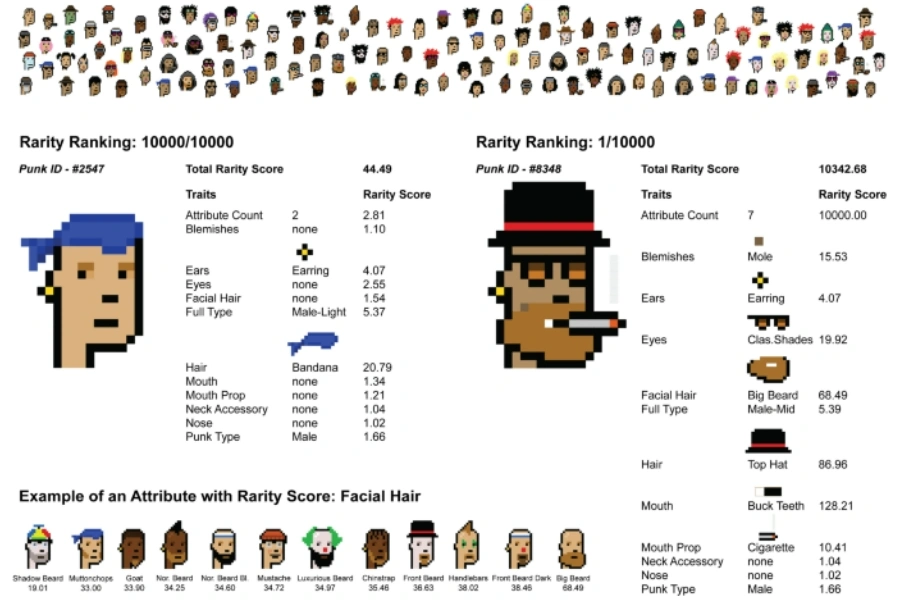
NFT rarity is typically calculated using mathematical formulas that assess how uncommon each trait is within the overall collection. The most basic method looks at trait frequency—how often each trait appears across all NFTs. More advanced models take into account the combination of traits, not just individual ones.
There are several common approaches:
- Trait Rarity: Ranks NFTs based on the rarity of their individual traits. For example, if an NFT has one trait that only appears in 0.5% of the collection, it may be considered rare—even if other traits are common.
- Average Trait Rarity: Calculates the average rarity of all traits in an NFT. This method smooths out the impact of extremely rare or extremely common features.
- Statistical Rarity Score: Multiplies the rarity percentages of all traits together, providing a more nuanced picture of how unique a combination really is.
- Custom Rarity Models: Some projects use proprietary formulas or assign custom weight to traits based on perceived value, utility, or aesthetic significance.
Ultimately, the rarity rank helps collectors compare NFTs in the same collection and guides pricing in the marketplace. Platforms like Rarity Tools, Trait Sniper, and OpenSea’s built-in ranking system help automate this process and make rarity more accessible to buyers and sellers.
How to Check NFT Rarity
Checking NFT rarity has become more streamlined thanks to a variety of specialized tools and platforms. Whether you’re a collector, investor, or creator, understanding how to evaluate rarity is essential for making informed decisions.
Here are the most common ways to check NFT rarity:
Rarity Tools & Aggregators
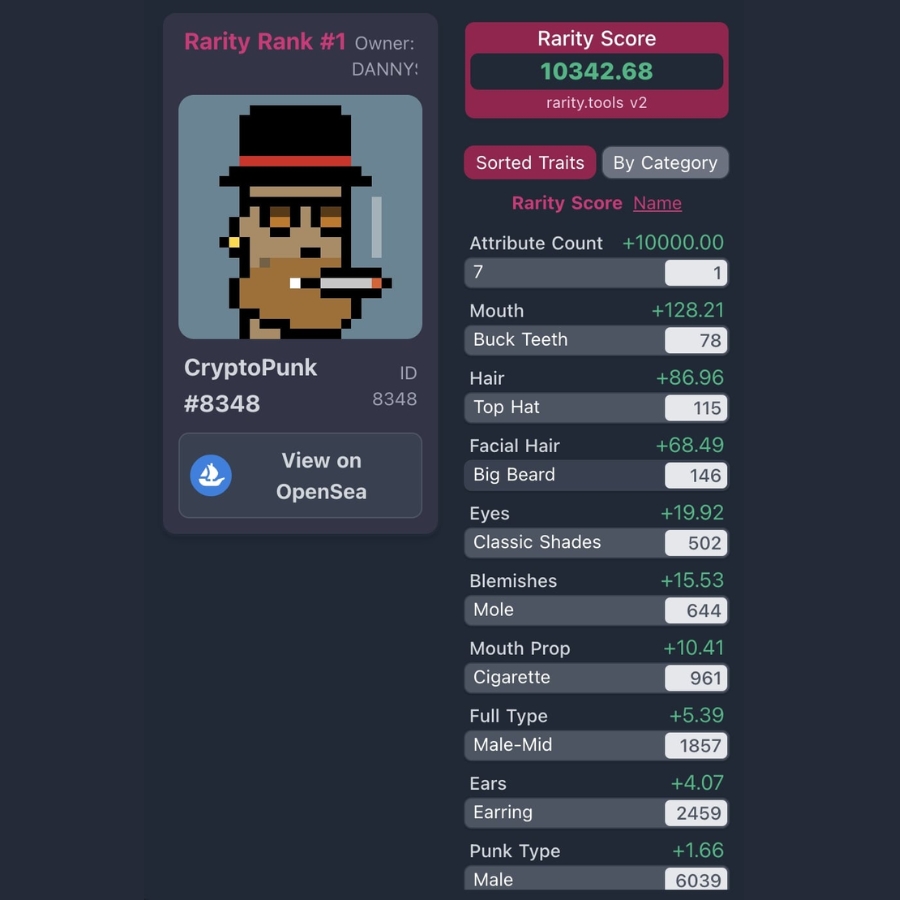
Platforms like Rarity.Tools, Rarity Sniper, Trait Sniper, and HowRare.is (for Solana NFTs) provide rarity rankings for popular collections. You can simply enter the collection name or NFT ID to view the rarity score, rank, and detailed trait breakdown.
Marketplace Listings
Marketplaces such as OpenSea and Magic Eden often integrate basic rarity indicators. While not always as advanced as dedicated tools, they show trait percentages and sometimes estimated rank directly on the listing page.
Project-Specific Rarity Pages
Some NFT collections provide their own rarity dashboards after launch. These are often more accurate since they reflect the project team’s intended weighting and may include utility-based rarity that external tools miss.
Browser Extensions & Discord Bots
Tools like Trait Sniper’s browser plugin or Discord bots in official NFT communities let users check rarity on the fly during mint or resale periods.
When verifying rarity, always cross-check across multiple platforms, especially for newly launched collections or ones with complex mechanics. Also, note that rarity ≠ value — utility, aesthetics, and community demand often matter just as much.
Looking for a marketplace to purchase NFTs? Check out: Best NFT Marketplaces to Watch
Rarity vs. Value: Not Always the Same
One of the most common mistakes in the NFT space is assuming that rarity always equals high value. While rarity can be a contributing factor to pricing, it’s far from the only one. An NFT might be statistically rare within its collection, but if the project lacks strong branding, a dedicated community, or meaningful utility, the demand may simply not be there.
On the flip side, some NFTs with fairly common traits can command high prices due to strong emotional or cultural appeal. For example, an NFT that’s been owned by a celebrity or featured in media can gain value regardless of its rarity score. In many top-tier collections, NFTs with lower rarity ranks still sell well because they represent a recognizable brand with long-term potential.
Collectors are becoming more sophisticated, often balancing rarity with other signals: artwork quality, project credibility, founder activity, and how the NFT fits into a broader ecosystem.
Examples of Rarity Systems in Popular Projects
NFT collections often implement unique rarity structures that shape how their assets are valued, traded, and perceived. Let’s explore how some of the most iconic projects approach rarity:
CryptoPunks
One of the earliest NFT collections, CryptoPunks features 10,000 algorithmically generated characters with traits like hats, beards, or alien skin. Some traits appear in fewer than 1% of punks, making them extremely rare and valuable. A Punk with just one rare trait—like a beanie or a smoking pipe—can fetch significantly higher prices, despite its simple appearance.
Bored Ape Yacht Club (BAYC)
BAYC uses a layered trait system where apes can have rare fur types, laser eyes, solid gold grills, and other features. Rarity in BAYC doesn’t just drive price—it’s also tied to status. Rare apes are more likely to appear in media, collaborations, or even be owned by celebrities, increasing their appeal.
Azuki
Azuki introduces rarity through aesthetics and story-driven design. “Spirit Azuki,” for instance, are ultra-rare and visually distinct within the collection, commanding massive premiums. Azuki’s rarity is further enhanced by strong community narratives and branding, which add layers of meaning to rare traits.
These projects demonstrate that rarity systems are not just technical underpinnings—they influence collector behavior, community prestige, and long-term valuation. Most collectors use platforms like Rarity Sniper or Trait Sniper to assess rarity rankings before making a purchase.
Tips When Evaluating NFT Rarity
Understanding rarity is more than just checking a ranking chart—it requires context. Here are some practical tips to help you evaluate NFT rarity more effectively:
Understand the rarity curve of the collection
Each NFT project has its own distribution of traits. Some collections have steep rarity curves where the top 1% are extremely unique, while others distribute rarity more evenly. Knowing how the rarity is structured helps you identify undervalued NFTs that might not sit at the top of the rankings but still have unique appeal.
Look beyond the top 1%
Chasing only the rarest NFTs often comes with the highest price tags and competition. Sometimes, mid-tier NFTs with niche or cult-favorite traits gain unexpected popularity, especially if they align with community memes or aesthetic preferences.
Use rarity as one of several evaluation factors
Rarity is just one piece of the puzzle. A highly rare NFT with no utility, weak team backing, or no community support may not hold long-term value. Always consider the broader picture: project vision, roadmap, art quality, team credibility, and long-term engagement.
Be cautious of manipulated rarity rankings
Some platforms or sellers may exaggerate rarity to boost perceived value. Use multiple rarity checkers or tools (like RaritySniper, Trait Sniper, or OpenSea’s stats) and cross-verify data before making decisions.
Learn more: How to Buy NFTs Safely in 2025: Step-by-Step for Beginners
FAQs About NFT Rarity
Q1. What is NFT rarity?
NFT rarity refers to how uncommon certain traits or combinations of traits are within a specific NFT collection. The rarer an NFT, the more unique and potentially more valuable it is perceived to be.
Q2. Why does rarity matter in NFTs?
Rarity often influences desirability and market value. Collectors and investors may be willing to pay a premium for NFTs with traits that are statistically rare within a collection, especially if those traits are visually appealing or culturally significant.
Q3. How can I check NFT rarity?
You can use tools like Rarity Sniper, Trait Sniper, or HowRare.is (for Solana-based projects). Many marketplaces, like OpenSea, also display basic rarity stats directly on the NFT’s page.
Q4. Does rarity always equal higher value?
Not necessarily. While rarity can increase perceived value, other factors like art quality, project utility, team reputation, and community strength also play major roles in pricing. A common NFT in a strong project can be worth more than a rare one in a weak collection.
Q5. Are rarity rankings the same across all platforms?
No. Different rarity tools may use slightly different algorithms to calculate rarity scores. It’s best to compare across multiple platforms and also evaluate manually if you’re considering a serious purchase.
Q6. Can rarity change over time?
Generally, rarity is fixed once a collection is revealed. However, some projects introduce dynamic traits or “evolving NFTs,” where attributes can change—potentially affecting rarity down the line.


![[Airdrop Update] Genesis Airdrop Done - 300M $BIC Airdrop Coming Up](https://bictoken.global/wp-content/uploads/2025/04/genesis-airdrop-complete.jpg)