NFTs have exploded from niche crypto collectibles into a billion-dollar industry where creators, investors, gamers, and builders are all finding new ways to earn. Whether you’re an artist looking to monetize your work, a collector flipping digital assets, or a Web3 user exploring the next frontier of decentralized income, NFTs now offer real and diverse opportunities to make money online.
But it’s not just about hype anymore. The NFT space is maturing, with new utility-driven models replacing speculative buzz. From royalties and staking to gaming and identity-based rewards, there are more sustainable paths to earning than ever before—if you know where to look.
In this guide, we’ll explore the most effective and proven ways people are profiting from NFTs today—along with practical tips and the platforms worth your attention.
Best Ways to Make Money with NFTs
Sell Your Digital Art or Creations as NFTs
One of the most straightforward ways to make money with NFTs is by creating and selling your own digital art. Artists, designers, musicians, writers, and even meme creators are turning their work into tokenized assets that can be bought, sold, and resold on the blockchain.
When you mint your creation as an NFT, you’re issuing a digital certificate of ownership that buyers can collect or trade. This model eliminates middlemen like galleries or music labels—letting creators sell directly to their audience and retain more control over their revenue.
Platforms like Foundation, Zora, and OpenSea provide easy-to-use tools for creators to mint and list their NFTs. Many marketplaces also allow for creator royalties, meaning you can earn a percentage every time your NFT is resold.
This isn’t limited to images or music—NFTs can also represent writing, photography, video, or interactive media. If it’s digital and original, it can be monetized as an NFT.
Flip NFTs for Profit
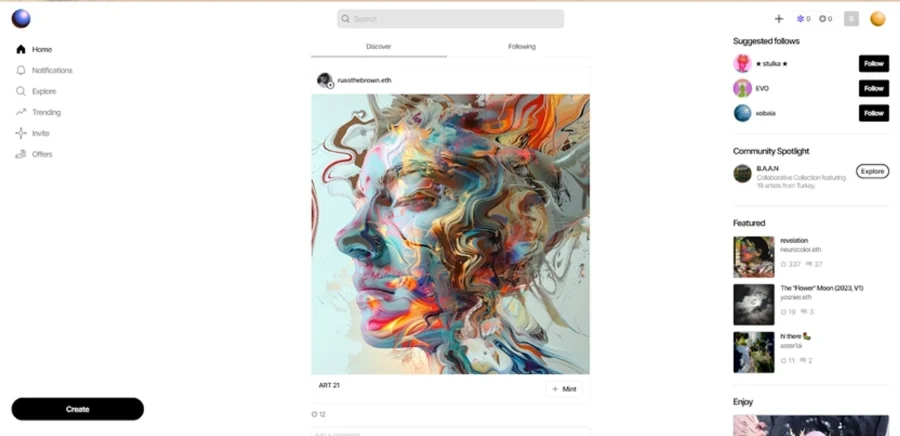
Flipping NFTs—buying low and selling high—is a popular strategy for traders looking to capitalize on market trends. It’s similar to trading stocks or sneakers, but the volatility is higher, and timing is everything.
To flip NFTs successfully, you need to:
- Identify promising collections early (ideally during mint or shortly after launch)
- Monitor market sentiment and volume on platforms like OpenSea, Blur, or Magic Eden
- Evaluate rarity traits, community strength, roadmap potential, and past sales data
Tools like NFTGo, ICY Tools, and Trait Sniper help traders analyze floor prices, rarity rankings, and activity in real-time.
However, flipping NFTs comes with risk. The market is driven by hype cycles and speculation, and not every NFT appreciates in value. Successful flippers are disciplined, data-driven, and usually plugged into NFT communities across Discord and X (Twitter).
Flipping can be highly profitable in bull markets, but it requires research, patience, and the ability to move quickly when the opportunity arises.
Earn Royalties as a Creator
One of the most empowering ways to make money with NFTs is by becoming a creator. Whether you’re a digital artist, musician, writer, or builder of digital identities, NFTs allow you to tokenize your work and sell it directly to collectors—without middlemen.
What makes NFTs even more powerful is the ability to set royalty fees that automatically pay you a percentage every time your NFT is resold on a secondary marketplace. This recurring income is enforced by smart contracts and doesn’t rely on centralized intermediaries.
For example, on Beincom, creators can mint bNFTs—Base NFTs that entitle the holder to a share of token rewards whenever another user mints a related oNFT (such as a matching username or community name). This creates a royalty-like model, but instead of focusing solely on digital art, it’s applied to Web3 identity. You earn passively with BIC tokens as your bNFT gains relevance and is used more widely across the ecosystem.
Platforms like Foundation, Zora, and Beincom now offer tailored tools for creators looking to launch NFTs and unlock long-term earning potential.
NFT royalties have turned single sales into sustainable revenue streams—rewarding creators not just once, but for the lifetime value of their work.

Play-to-Earn and Blockchain Gaming
The rise of play-to-earn (P2E) games has opened up a new way for users to earn income through NFTs. Unlike traditional games where assets are locked within the platform, blockchain-based games allow players to truly own in-game items—such as characters, weapons, skins, or land—in the form of NFTs.
These NFTs can be sold, traded, or rented on marketplaces, creating real economic value from gameplay. Some games even offer token rewards for completing tasks, winning battles, or staking in-game assets, blending gaming with decentralized finance.
Popular titles like Axie Infinity, Gods Unchained, and The Sandbox have demonstrated how players can build wealth by investing time and strategy into virtual ecosystems. Meanwhile, newer models focus more on sustainability, reducing entry costs and emphasizing long-term engagement.
As the line between gaming and earning continues to blur, NFTs are becoming the core of a new digital economy—where your time and achievements are no longer just for entertainment, but for real financial gain.
NFT Staking and Yield Farming
Beyond art and collectibles, NFTs are finding utility in the world of decentralized finance (DeFi), especially through staking and yield farming. Staking NFTs means locking them into a smart contract on a DeFi protocol in return for rewards, typically in the form of native tokens or other incentives.
Protocols like MOBOX and NFTX pioneered NFT staking, enabling users to deposit NFTs into vaults and earn passive income. The idea is similar to staking tokens in DeFi—except here, the assets are NFTs.
Beincom offers a unique spin on this with its bNFT (base NFT) system. Users who own bNFTs can earn passive BIC Token rewards whenever other users mint NFTs (like usernames or community names) that contain the exact string of the bNFT. It’s a royalty-like model designed to reward early holders of identity-related NFTs across the ecosystem.
However, like any DeFi activity, staking NFTs carries risks. Smart contract vulnerabilities or protocol mismanagement can result in permanent loss of assets. Always research the platform’s security track record and understand the mechanics before locking in your NFTs.
Renting or Leasing NFTs
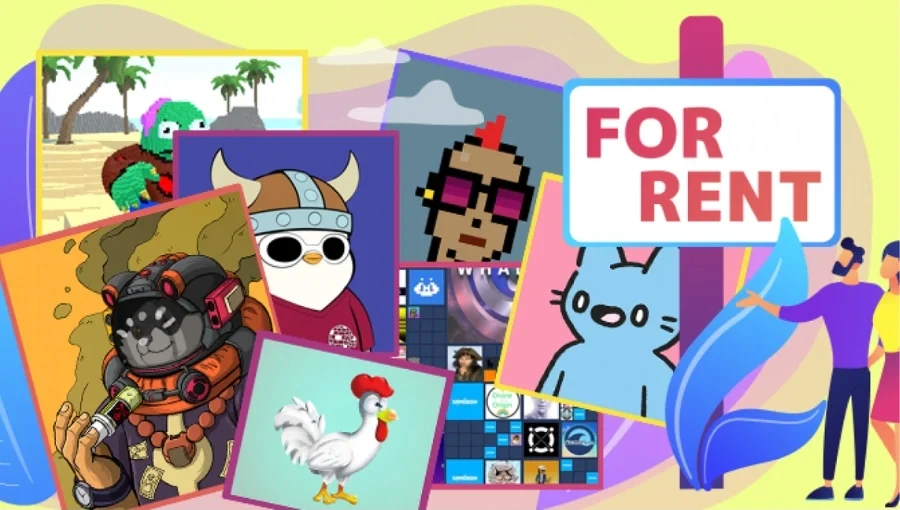
Not every NFT needs to be sold to generate income. Renting or leasing NFTs is a growing trend that allows owners to earn passive income while maintaining full ownership of their digital assets. This model is especially popular in gaming, metaverse real estate, and utility NFTs.
For example, in blockchain games or virtual worlds, players often need specific NFTs—like characters, weapons, or land plots—to participate. Owners who aren’t actively using these assets can lend them out to others in exchange for a fee or revenue share. This creates a win-win: the renter gains access to the asset’s utility, and the owner earns income without giving up control.
Several platforms are exploring or already supporting NFT rental models, including ReNFT, IQ Protocol, and some custom marketplace contracts in the GameFi space. Terms can vary—some rentals are time-based, while others are performance-based, especially in “scholarship” models where earnings are split.
As with any smart contract interaction, there are risks: poor terms, counterparty default, or bugs in rental protocols. It’s crucial to choose platforms with escrow protections or smart contract safeguards.
This approach turns idle NFTs into productive assets—especially useful in ecosystems where utility is tied to participation, not just speculation.
Membership NFTs and Utility Tokens
NFTs are increasingly being used as keys to access exclusive experiences, communities, and benefits—blurring the line between asset and identity. These membership NFTs don’t just represent ownership; they grant real utility and status in tightly-knit circles.
Projects like Bored Ape Yacht Club or PROOF Collective exemplify this model. Holding their NFTs gives access to private events, merchandise drops, Discord communities, and early access to new investments or partnerships. In some cases, the value of the NFT is driven less by art and more by what it unlocks.
This model is particularly attractive for creators, communities, and brands looking to build loyalty and scarcity. By monetizing access, creators can generate upfront revenue and ongoing engagement.
On Beincom, this concept is expanded through oNFTs—NFTs that represent usernames, community names, profile names, or badges. These aren’t just identifiers; they act as Web3 access credentials. Owning an oNFT lets you control identity-related privileges on the platform, and some oNFTs can be used to gate access to private communities or premium features—similar to membership NFTs on other platforms.
As token-gated experiences become more common, NFTs are evolving into digital identity passes that define not just what you own, but what you can access in the decentralized internet.
Launch or Invest in NFT-Based Projects
Another lucrative path in the NFT space is becoming an early supporter or builder of NFT-centric startups and platforms. Many Web3 projects fund their development by launching NFT collections that offer utility, governance rights, revenue sharing, or early adopter advantages.
For creators and entrepreneurs, launching an NFT project can provide immediate capital and community traction. Whether it’s tied to art, gaming, music, or virtual real estate, NFTs can act as a fundraising mechanism without relying on traditional venture capital.
On the flip side, investors and collectors can gain early access to promising ecosystems. In some cases, holding an NFT might entitle you to profit splits, governance tokens, or future airdrops. Crowdfunding through NFTs enables communities to align incentives between builders and users.
However, this space also carries high risk. Rug pulls, undelivered promises, and overhyped roadmaps are all too common. Always conduct due diligence, assess the project’s team, roadmap, utility, and community engagement before participating.
The key is not just to chase hype, but to identify projects with real-world value, transparent teams, and long-term potential.
Find where to mint and trade NFTs? Check out this article: Best NFT Marketplaces to Watch in
Tips to Maximize Earnings & Avoid Scams
Making money with NFTs isn’t just about buying the right asset — it’s also about navigating the space wisely and securely. Here are some practical tips to help you optimize your earnings while avoiding common pitfalls:
- Stay updated on market trends: The NFT landscape evolves rapidly. What works today may become obsolete tomorrow. Follow reliable Web3 news sources, social communities, and on-chain metrics to stay ahead of new opportunities.
- Use trusted platforms and wallets: Always transact through reputable NFT marketplaces and secure wallets. Avoid connecting your wallet to unverified or suspicious websites. Consider using wallets with multi-factor authentication or MPC security, such as BIC Wallet on Beincom.
- Don’t chase hype blindly: Many fall into the trap of FOMO, buying into overhyped projects without real utility or community. Focus on NFTs with long-term value, clear use cases, or strong ecosystems rather than quick flips.
- Diversify your NFT strategies: Instead of relying on a single type of NFT or income method, explore multiple options — collecting, staking, renting, creating, or investing. A diversified approach can help spread risk and maximize return.
- Do due diligence on smart contracts: If you’re engaging with DeFi protocols (for staking, farming, or lending NFTs), make sure the smart contracts are audited and trustworthy. Even minor vulnerabilities can result in significant losses.
Looking for some ways to make money with crypto? Check out: How to Earn Money with Crypto: Ultimate Guide to Web3 Income
Final Thoughts: The Future of NFT Income
NFTs have come a long way from just being digital collectibles. Today, they represent an entire spectrum of income-generating opportunities — from creator royalties and staking rewards to rental models and identity-driven access. What makes this space especially exciting is that it’s still evolving, with new mechanisms and innovations emerging constantly.
Whether you’re a creator, collector, investor, or builder, the key to making money with NFTs lies in understanding where value is created and how it’s sustained. Utility is becoming more important than hype. Platforms that reward long-term participation, ownership, and contribution — like Beincom — are pointing toward a more sustainable Web3 economy.
As always, success in this space comes down to staying informed, experimenting wisely, and aligning your NFT strategies with your personal strengths, interests, and risk tolerance. The possibilities are real — and they’re only growing.