In the digital age, creators and communities seek new ways to build engagement and value. That’s exactly how social tokens emerge—transforming digital engagement into real value. But how do they work, and why are they shaping the future of online communities? Let’s dive in!
What Are Social Tokens?
Social Tokens are blockchain-based digital asset that represents access, ownership, or membership within a creator’s or community’s ecosystem. These tokens empower individuals and groups to build their own economies, enabling direct engagement, monetization, and governance without intermediaries.
Unlike traditional financial assets, social tokens are tied to reputation, influence, or community value rather than just monetary worth. They allow creators, influencers, and organizations to reward loyal supporters, grant exclusive benefits, and foster deeper interactions.
These tokens are often referred to as Creator Coins, Community Tokens, or Personal Tokens, depending on their purpose and use case.
How Do Social Tokens Work?
Social tokens operate on blockchain technology, typically Ethereum, Polygon, Solana, or other smart contract-enabled blockchains, allowing creators to design unique economic models for their communities.
Holders of these tokens can access exclusive content, participate in governance decisions, receive rewards, or trade tokens for various benefits. Their value fluctuates based on supply and demand, community engagement, and the success of the creator or brand behind them.
By leveraging smart contracts, social tokens enable automated rewards, revenue sharing, and direct interactions between creators and their supporters without intermediaries.
Types of Social Tokens
Social tokens come in different forms, each serving a distinct purpose in the digital economy. The three main types are:
Creator Tokens
These tokens are issued by individuals—such as artists, influencers, musicians, and entrepreneurs—to monetize their brand and engage with their audience.
Fans holding these tokens can gain access to exclusive content, private communities, merchandise discounts, or even one-on-one interactions with the creator.
Community Tokens
Community tokens are designed to empower and strengthen online communities by giving members shared ownership and decision-making power. These tokens grant access to exclusive spaces, voting rights in governance models (often within DAOs), and participation in collective projects.
Many DAOs use community tokens to distribute governance and align incentives, ensuring that members have a say in the direction of the group. The more engaged a community is, the more valuable its token becomes.
Platform Tokens
Platform tokens are issued by larger ecosystems that provide tools and infrastructure for social token economies.
These tokens may be used for governance, transactions, staking, or unlocking premium features within a platform. They help sustain the broader network by encouraging active participation and value creation.
Looking for SocialFi platforms to engage and earn? Check out this article: Top 10 Breakthrough SocialFi Platforms to Watch
Are NFTs the Same as Social Tokens?
While both NFTs (Non-Fungible Tokens) and social tokens exist within the Web3 space, they serve distinct purposes.
The main difference lies in fungibility. Social tokens are fungible, meaning each token holds the same value and can be exchanged for another of the same type—much like traditional cryptocurrencies. NFTs, on the other hand, are non-fungible, making each one unique and irreplaceable.
Social tokens represent membership, access, or influence within a community, whereas NFTs are often used for digital ownership—whether it’s art, music, virtual real estate, or other collectibles. However, the two can complement each other. For example, a creator might issue NFTs as exclusive content while using social tokens for governance and community engagement.
As Web3 evolves, the line between social tokens and NFTs is becoming increasingly blurred, with projects integrating both to maximize utility and value for their communities.
Social Token Utility
Social tokens are more than just digital assets—they create real-world value and utility for both creators and communities. Here are two of their most impactful use cases:
Monetization
Social tokens allow creators, influencers, and brands to monetize their audience directly without relying on traditional platforms. Instead of earning through ad revenue or sponsorships, creators can launch their own tokens and offer:
- Exclusive content (behind-the-scenes access, premium courses, unreleased music)
- Special privileges (early access to products, VIP events, direct interactions)
- Revenue sharing (token holders earn a portion of the creator’s earnings)
This decentralized approach empowers creators to have full control over their economy, ensuring they benefit from their own success.
Network Effect
Social tokens thrive on community engagement, gaining value as more people adopt and participate. Their network effect is driven by several key factors:
- Ownership & Growth: Holding a social token means having a stake in the creator or community’s success. The more engaged the supporters, the more valuable the token becomes.
- Symbolic & Emotional Value: Unlike traditional rewards, social tokens represent belonging and loyalty, strengthening long-term connections.
- Viral Potential: A strong community can amplify awareness, making the token more desirable and increasing adoption.
- Cost-Effective Incentives: Instead of direct monetary rewards, creators can use tokens to incentivize engagement, reducing costs while enhancing participation.
Self-Sustaining Ecosystem: As more people hold and use the token, the ecosystem grows organically, reinforcing its value and utility over time.
A perfect example of network effect success is Dogecoin (DOGE)—a meme token with no inherent utility that grew into a multi-billion-dollar market cap due to its strong community and viral appeal.
SocialFi (Social Finance) platforms also further enhance the utility of social tokens by integrating decentralized finance features.
Users on SocialFi platforms can not only earn tokens as rewards for their engagement but can also stake them, trade them in liquidity pools, and participate in decentralized governance. This added layer of financial engagement provides even more incentives for token holders, creating a more robust, sustainable ecosystem for creators and their communities.
Interested in SocialFi and their evolution? Check out this article: What is SocialFi? Everything You Need To Know

The Future of Social Tokens
Social tokens are redefining digital ownership and engagement, with their potential expanding across multiple industries. Key trends shaping their future include:
- Mainstream Adoption – More brands, influencers, and communities are integrating social tokens into their business models, making them a fundamental part of Web3.
- Enhanced Utility – Beyond access and rewards, social tokens will integrate with DeFi, DAOs, and metaverse economies, unlocking new use cases.
- Regulatory Evolution – As social tokens gain traction, clearer regulations will emerge, providing legal frameworks for their use and adoption.
- Stronger Network Effects – As communities grow, so will the value of social tokens, reinforcing their sustainability and market relevance.
- Interoperability & Cross-Platform Use – Future developments may enable social tokens to function seamlessly across multiple ecosystems, increasing their usability and adoption.
With these advancements, these tokens have the potential to reshape creator economies, fan engagement, and digital ownership in the years to come.
BIC Token – A Social Token Empowering Beincom’s Ecosystem

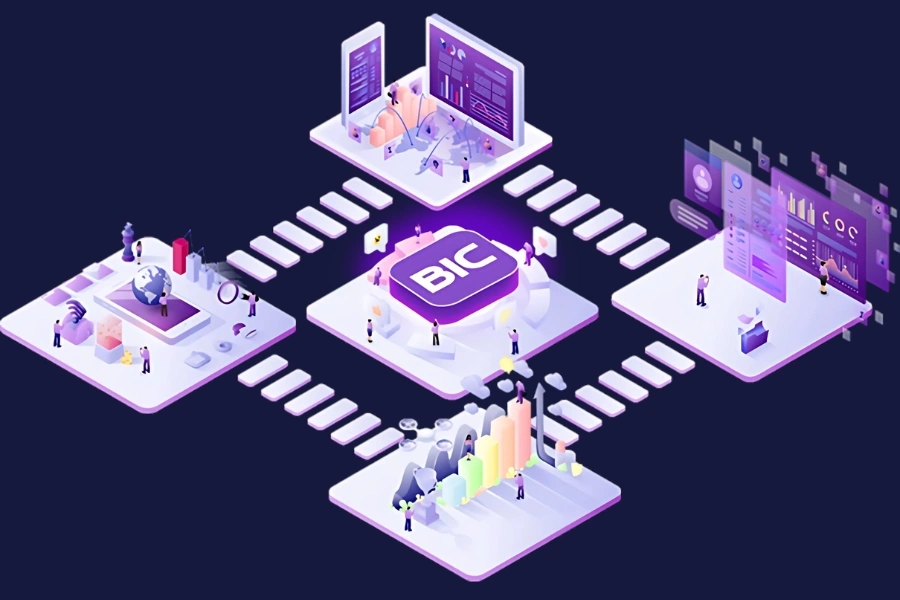
BIC Token is at the forefront of the SocialFi revolution, offering real utility within the Beincom ecosystem. As a utility token, $BIC empowers users by:
- Enhancing Community Engagement: BIC Token fosters an interactive and rewarding ecosystem where users can participate in governance, earn incentives, and contribute to the platform’s growth.
- Seamless Monetization for Creators: Content creators can leverage BIC Token to monetize their work, build loyal communities, and unlock exclusive rewards for their supporters.
- Integrated with Beincom’s Ecosystem: Unlike standalone social tokens, BIC Token is deeply embedded in Beincom’s Web3-powered platform, offering real utility in social interactions, NFT ownership, and decentralized networking.
- Scalable and Cost-Efficient Transactions: Built on Arbitrum Layer-2, BIC Token ensures low transaction fees and fast processing speeds, making it an ideal social token for mass adoption.
- Decentralized Governance: BIC holders can participate in decision-making processes, influence platform developments, and ensure a community-driven future.
- Staking & Incentives: Users can stake $BIC for rewards, fostering long-term participation and ecosystem growth.
Learn more about BIC Token utilities here.
With its robust utilities and strong community backing, BIC Token exemplifies the power of social tokens in creating sustainable, community-driven economies.
Don’t miss out on the potential of BIC Token! Own a piece of the SocialFi revolution and unlock exclusive benefits within the Beincom ecosystem. Buy BIC Token now and start your journey in the future of decentralized social networking!
FAQs About Social Tokens
1. How do social tokens differ from traditional cryptocurrencies?
Social tokens are tied to a creator, brand, or community, offering membership, access, and engagement-based value. Unlike Bitcoin or Ethereum, which primarily serve as a medium of exchange, store of value, or unit of account on a blockchain, social tokens build economies around individuals or groups.
2. Are social tokens only for influencers and creators?
No, while many social tokens are issued by influencers, artists, and content creators, they are also used by DAOs, online communities, and even businesses to create engagement-driven economies.
3. How do I buy or earn social tokens?
Social tokens can be bought on crypto exchanges or directly from the creator’s platform. Some projects also distribute tokens as rewards for participation, content creation, or community contributions.
4. What are the risks of investing in social tokens?
The biggest risks include low liquidity, dependency on a creator or community’s reputation, and regulatory uncertainty. Since these tokens often rely on engagement and trust, a decline in the creator’s influence or community activity can impact value.
5. How do social tokens integrate with NFTs?
Social tokens and NFTs integrate by enabling exclusive access, rewards, and governance within communities. NFT holders can earn social tokens for their creations, use them to auction NFTs, or participate in voting. In gaming and metaverse projects, social tokens act as in-game currency, while NFTs represent unique assets, creating a dynamic ecosystem where both enhance each other’s utility.
6. What is the future potential of social tokens?
Social tokens are expected to play a bigger role in Web3, merging with DeFi, metaverse economies, and DAO governance. As adoption grows, their utility and mainstream acceptance will expand.