In the fast-evolving world of Web3, NFTs (non-fungible tokens) have captured global attention as unique digital assets tied to art, music, gaming items, and more. While many NFTs sell for significant sums, there’s a growing trend of free NFT opportunities — allowing anyone to own a digital collectible without spending money upfront.
These free NFTs can serve as a gateway for newcomers to experience blockchain technology, explore communities, and even find assets that appreciate in value over time. From airdrops and giveaways to play-to-earn games, the possibilities are wide-ranging. However, not all “free” offers are created equal, and understanding how they work is key to avoiding pitfalls while making the most of the opportunities.
What Is a Free NFT?
A free NFT is a non-fungible token you can claim or receive without paying for the asset itself. Instead of purchasing it on a marketplace, you might get it through a giveaway, airdrop, promotional campaign, or as a reward for engaging in certain activities.
While the NFT is free, you’ll often still need to pay a small blockchain transaction fee (called “gas”) to receive it. In some cases — especially on platforms with gasless minting — you won’t pay anything at all.
Key characteristics of free NFTs:
- Unique ownership – Even if it’s free, the NFT is still a verifiable, one-of-a-kind token stored on a blockchain.
- Variety of utilities – Free NFTs can represent art, game items, access passes, membership badges, or collectibles.
- Part of community building – Projects often give away NFTs to attract early adopters, reward loyal supporters, or promote new features.
Unlike traditional giveaways in Web2, free NFTs are not just “digital images” — they are blockchain-based assets that can be held, traded, or used in different platforms depending on their utility.

Benefits and Risks of Free NFTs
While free NFTs offer exciting opportunities, it’s essential to weigh their advantages against potential downsides to make informed decisions.
Benefits of Free NFTs
- Low Barrier to Entry: Free NFTs allow newcomers to explore the NFT ecosystem without financial risk, making the space more accessible.
- Community Engagement: Receiving free NFTs often comes with joining active communities, offering networking opportunities and exclusive content or events.
- Potential for Value Appreciation: Some free NFTs, especially from promising projects or early airdrops, can increase significantly in value over time.
- Learning Experience: Claiming and managing free NFTs helps users become familiar with wallets, marketplaces, and blockchain technology in a practical way.
- Passive Rewards: Certain free NFTs can provide ongoing benefits, such as access to future drops, governance rights, or token rewards within a project ecosystem.
Risks of Free NFTs
- Scams and Fraud: The promise of free NFTs is a common lure for phishing attempts and fraudulent schemes. Users must be vigilant about the sources and never share private keys or passwords.
- Gas Fees and Hidden Costs: While the NFT itself may be free, claiming or transferring it often requires paying gas fees, which can sometimes be high and unexpected.
- Limited Liquidity and Value: Many free NFTs have little to no resale value or demand. They might serve purely as collectibles without substantial market interest.
- Spam and Clutter: Accumulating free NFTs indiscriminately can clutter your wallet, making management difficult and increasing exposure to potential vulnerabilities.
- Regulatory Uncertainty: The NFT space is still evolving legally; some free NFTs might fall into gray areas concerning intellectual property or securities law.
Navigating free NFTs wisely involves balancing enthusiasm with caution. By understanding these benefits and risks, users can make smarter choices and enhance their NFT journey.
How to Get Free NFTs
Free NFTs have become a popular way for newcomers and collectors to enter the NFT space without upfront costs. However, it’s important to understand the different methods and what they entail. Below are the main ways you can get free NFTs, with useful tips and caveats for each:
Airdrops
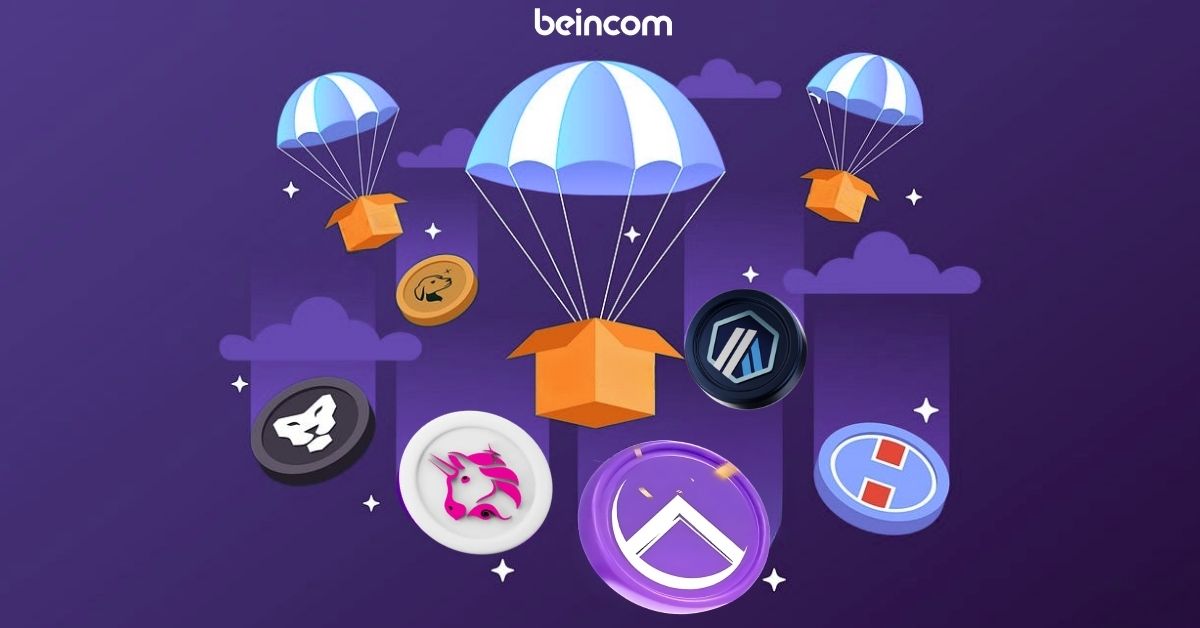
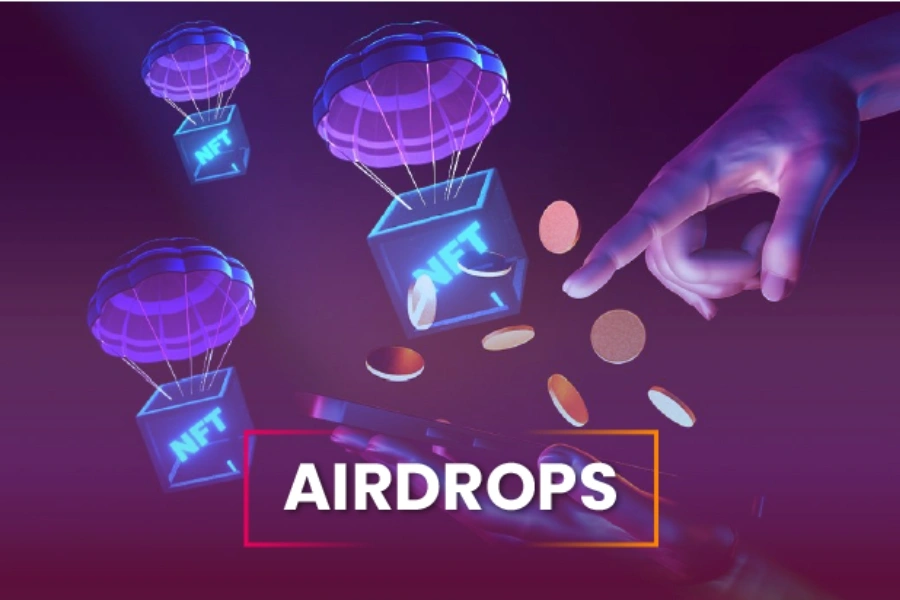
Airdrops are direct distributions of NFTs from projects to users’ wallets, often as rewards or marketing incentives. To qualify for an airdrop, you might need to:
- Hold a particular cryptocurrency or NFT in your wallet (known as a snapshot)
- Participate in the project’s community activities like social media engagement or voting
- Register or sign up before a deadline
Tips: Always verify the legitimacy of the project behind the airdrop to avoid scams. Official airdrops won’t ask for private keys or personal info.
Giveaways and Contests
Creators and NFT communities often run giveaways, especially on platforms like Twitter, Discord, or Telegram. Common entry tasks include:
- Following the creator’s accounts
- Retweeting or sharing posts
- Joining Discord servers and participating actively
- Submitting fan art or content
Tips: Engage genuinely with the community instead of spamming entries. This often leads to better chances and builds connections for future drops.
Free Minting Events
Some NFT projects offer limited “free mint” windows where users can claim NFTs without paying the mint price. Usually, users still pay blockchain transaction fees (gas fees). These events:
- Are time-sensitive and may require fast action
- May have limited quantity, causing network congestion and higher gas fees
- Often aim to distribute NFTs broadly for marketing
Tips: Be prepared with a funded wallet and monitor project announcements closely to catch these events early.
Play-to-Earn (P2E) Games
Blockchain-based games reward players with NFTs as prizes or achievements. These NFTs might represent characters, items, or skins and often have real marketplace value. To earn:
- Complete quests or challenges
- Participate in tournaments or events
- Reach certain in-game milestones
Tips: Research the game’s sustainability and community before investing significant time, as some P2E projects may have short lifespans.
Promotional Drops from Marketplaces and Platforms
NFT platforms occasionally run promotions giving away free NFTs to attract users or celebrate launches. These drops might be:
- Rewards for creating an account or making the first trade
- Part of special event campaigns or collaborations
Tips: Regularly check NFT marketplace news and subscribe to newsletters to stay updated on these offers.
Important Considerations When Getting Free NFTs
- Gas Fees and Wallet Setup: Even “free” NFTs often require paying blockchain transaction fees to claim or transfer. Make sure your wallet is funded to cover these.
- Scams and Phishing: Beware of fake projects promising free NFTs in exchange for private keys or suspicious links. Legitimate projects never ask for your seed phrase.
- Value and Liquidity: Not all free NFTs hold long-term value. Some may be purely collectible or promotional with limited resale potential. Research the project and community support.
- Storage and Security: Use a secure non-custodial wallet to safely store your NFTs and avoid custodial platforms that control your assets.
Getting free NFTs can be a fun way to explore the space and build a collection, but always stay informed and cautious.
Things to Watch Out For
Gas Fees and Hidden Costs
Even though an NFT may be advertised as “free,” claiming it often involves paying blockchain transaction fees, commonly known as gas fees. These fees vary by network and can sometimes be higher than the value of the NFT itself. For example, on Ethereum, gas fees fluctuate depending on network congestion. Before claiming, always check current fees and consider whether the cost is worth it. Some projects use Layer 2 solutions or other blockchains like Polygon to reduce fees, so be mindful of where the NFT is minted.
Scams and Phishing Risks
The popularity of free NFTs has attracted many scammers looking to trick users into handing over wallet access or personal info. To avoid scams:
- Always verify the source of the NFT. Check official social media accounts and websites.
- Avoid clicking on suspicious links or downloading unknown files.
- Be cautious about unsolicited offers or requests to connect your wallet to unfamiliar platforms.
- Use browser extensions or tools that warn against phishing sites.
Project Value and Utility
Not all free NFTs hold value or utility. Some are purely collectibles with no additional benefits, while others grant access to exclusive communities, events, or future drops. Evaluate each free NFT’s potential by researching:
- The team and project behind it
- Community engagement and roadmap
- Utility such as staking, governance, or unlockable content
Understanding this helps decide whether to keep, sell, or ignore the NFT.
How to Store Your Free NFT Safely
Proper storage of your free NFTs is essential to protect your digital assets from loss or theft. Here are some important steps and tips:
Setting Up a Wallet
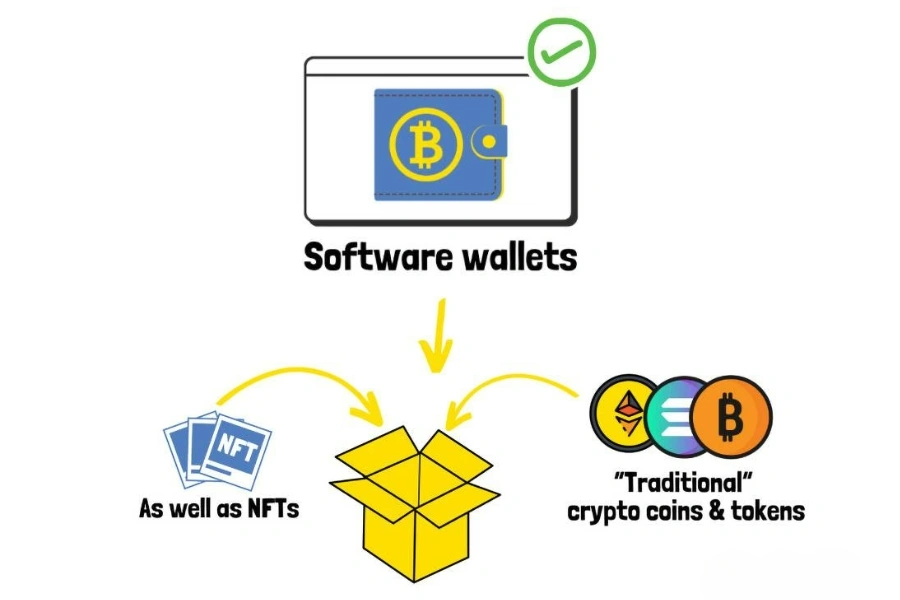
To hold and manage NFTs, you need a compatible crypto wallet. Popular options include:
- MetaMask: A widely used browser extension wallet supporting Ethereum and many Layer 2s.
- Trust Wallet: A mobile wallet that supports multiple blockchains and NFTs.
- Beincom Wallet: The native wallet of Beincom, non-custodial and integrated with the Beincom ecosystem, supporting BIC and ETH tokens as well as NFT management.
When setting up your wallet, make sure to securely back up your seed phrase (also called recovery phrase). This is the only way to restore access if your device is lost or damaged. Never share your seed phrase with anyone.
Learn tips to secure your NFTs: Private Key Best Practices: How to Keep Your Crypto Safe
Basic NFT Security Tips
- Avoid sharing private keys or seed phrases. No legitimate platform will ask for them.
- Use hardware wallets for high-value NFTs. Devices like Ledger or Trezor add an extra security layer.
- Keep your wallet software updated. Regular updates fix vulnerabilities and improve security.
- Be cautious when connecting your wallet to new sites or apps. Only approve trusted platforms.
- Enable two-factor authentication (2FA) on related accounts where possible.
Following these practices helps ensure your free NFTs remain safe and accessible.
Conclusion
Free NFTs offer an accessible entry point into the exciting world of digital collectibles and blockchain communities. While they come with advantages like zero upfront cost and unique access opportunities, it’s important to stay aware of potential fees, scams, and the actual value these NFTs hold. By understanding how to claim, store, and evaluate free NFTs wisely, you can make the most out of these offers—whether for fun, learning, or potential investment. As the NFT space continues to evolve, free NFTs remain a valuable way to explore and engage without risk.
Learn more: NFT Rarity Explained: What It Is and How to Check It
FAQs
Can I sell a free NFT?
Yes, once you own an NFT in your wallet, you can list it for sale on compatible NFT marketplaces like OpenSea, Rarible, or Beincom’s Marketplace. However, be mindful of gas fees and marketplace commissions.
Do I need cryptocurrency to get a free NFT?
It depends. Some free NFTs require you to pay blockchain transaction (gas) fees to claim them, so you’ll need a small amount of crypto (e.g., ETH) in your wallet. Other projects may cover these fees during special promotions.
Are free NFTs valuable?
Free NFTs can have value, especially if they come from reputable projects or offer utility like access to communities or future rewards. However, many free NFTs hold little market value, so it’s important to research each project before investing time or money.
How do I avoid scams when claiming free NFTs?
Always verify the official source of the free NFT offer. Avoid clicking suspicious links or sharing your wallet’s private keys. Use official websites and reputable social media channels to confirm legitimacy.