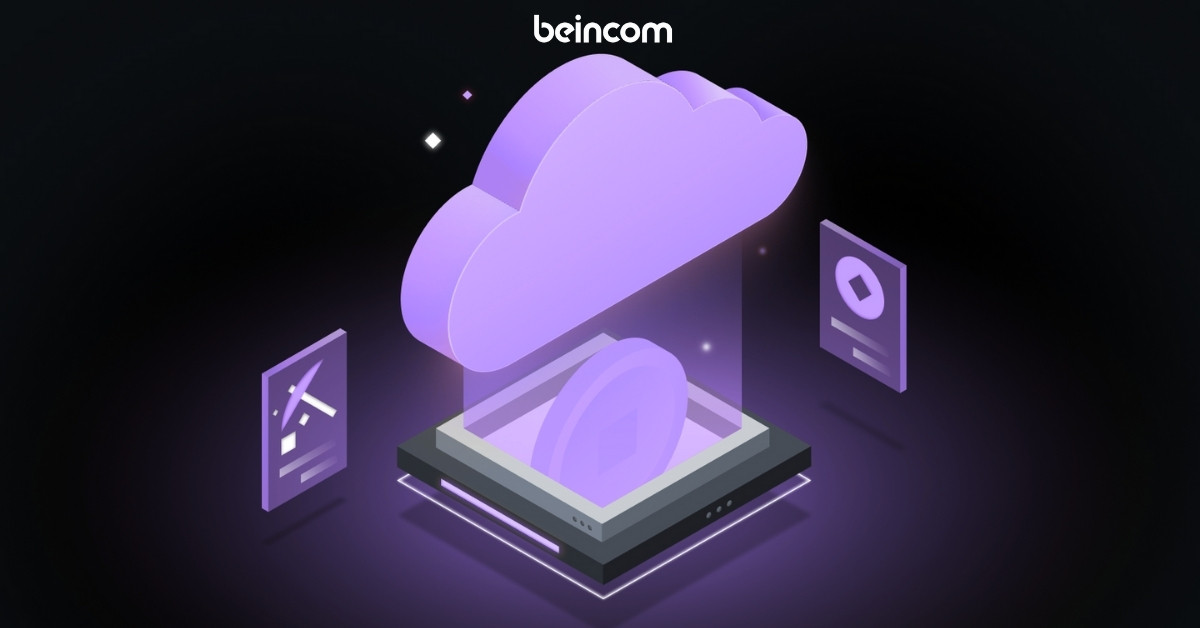
Cloud mining has become a popular term in crypto, especially among people who want to mine cryptocurrency without dealing with expensive hardware or technical setups. Instead of buying mining rigs, paying high electricity bills, or managing complex software, users can rent mining power online and earn crypto remotely.
This idea sounds simple and convenient, which is why cloud mining often attracts beginners and passive investors. But while it removes many technical barriers, it also comes with important trade-offs, risks, and limitations.
In this article, let’s explore what cloud mining is, how it works, its advantages and drawbacks, and whether it’s actually worth considering.
What Is Cloud Mining?
Cloud mining is a method of cryptocurrency mining where users rent computing power from remote data centers instead of owning and operating mining hardware themselves. The actual mining equipment is hosted and managed by a third-party provider, while users receive a share of the mining rewards based on the amount of hash power they rent.
In traditional mining, individuals must purchase hardware, install mining software, handle maintenance, and pay ongoing electricity costs. Cloud mining removes these responsibilities by shifting them to the provider. Users simply choose a mining plan, pay a fee, and monitor their earnings online.
Cloud mining is often marketed as a hands-off way to mine cryptocurrencies like Bitcoin. However, because users do not control the hardware or the mining operation, they rely entirely on the provider’s transparency, fees, and payout structure.
Read more: Crypto Staking Explained: How It Works, Types & Benefits
How Cloud Mining Works
Cloud mining works by allowing users to rent computing power, also known as hash rate, from large-scale mining operations. These operations run industrial mining farms equipped with specialized hardware in locations where electricity and cooling costs are low.
The process usually follows these steps:
- Choose a cloud mining provider: Users sign up on a cloud mining platform that operates or leases mining hardware in remote data centers.
- Select a mining contract: The user chooses a contract based on factors such as hash rate, contract duration, supported cryptocurrency, and pricing. Some contracts last for a fixed period, while others are open-ended.
- Mining begins in the background: Once the contract is active, the provider allocates the rented hash power to mine cryptocurrency on behalf of the user. The technical setup, maintenance, and uptime are handled entirely by the provider.
- Receive mining rewards: Mining rewards are distributed based on the user’s share of the total hash power. Earnings are usually paid out daily or periodically, minus maintenance and service fees.
Because everything runs remotely, users don’t need technical knowledge or physical equipment. However, this also means they have limited visibility into how efficiently the mining operation is actually running.
Types of Cloud Mining
Cloud mining generally comes in two main forms: hosted mining and leased hash power. The key difference between them is how much control users have over the mining hardware and operations.
Hosted Mining
Hosted mining allows users to rent or purchase physical mining hardware that is placed and operated in a remote data center. While the provider manages the infrastructure — including electricity, cooling, internet connectivity, and hardware maintenance — the user is assigned specific mining machines.
With hosted mining, users may be able to:
- Choose the type of mining hardware
- Select which cryptocurrency or mining pool to use
- Monitor machine performance more closely
Because users are tied to actual hardware, this model often requires a higher upfront cost and longer-term commitment. It is typically used by users who want more transparency and operational control without running mining equipment at home.
Leased Hash Power
Leased hash power is the most common form of cloud mining. Instead of interacting with physical hardware, users rent a portion of a provider’s total computing power for a fixed period of time.
The provider controls all technical aspects of the mining operation, including hardware selection, maintenance, and mining pool participation. Users simply receive a share of the mining rewards proportional to the hash rate they lease, minus service or maintenance fees.
This model is easier to access and usually requires lower upfront costs. However, users have limited visibility into how mining is actually performed and must rely entirely on the provider’s transparency and payout structure.
Advantages of Cloud Mining
Cloud mining appeals to many users because it removes several of the technical and logistical barriers associated with traditional cryptocurrency mining. For those who want exposure to mining without running hardware, cloud mining offers a simpler entry point.
- No Mining Hardware Required: Users do not need to purchase, install, or manage expensive mining equipment. All hardware is owned and operated by the provider in remote data centers.
- Lower Technical Complexity: Cloud mining does not require knowledge of hardware configuration, mining software, or network maintenance. This makes it accessible to beginners who want to participate in mining without a steep learning curve.
- No Electricity or Maintenance Costs: Electricity, cooling, hardware repairs, and uptime management are handled by the provider. Users avoid unpredictable energy bills and maintenance expenses.
- Easy Setup and Access: Most cloud mining platforms allow users to start mining quickly by selecting a plan and activating a contract. There is no physical setup or long installation process.
- Geographic Flexibility: Cloud mining allows users to mine from anywhere, regardless of local electricity costs, climate, or regulations that might make home mining impractical.
Risks and Disadvantages of Cloud Mining
While cloud mining can simplify access to cryptocurrency mining, it also introduces several risks that users should understand before committing funds. Many of these risks come from the lack of control and transparency compared to traditional mining.
- High Scam Risk: Cloud mining has a long history of fraudulent platforms. Some providers advertise unrealistic returns, operate Ponzi-style schemes, or shut down once new users stop joining. Because users do not see or control the hardware, it can be difficult to verify whether real mining is actually taking place.
- Lower Profit Margins: Its contracts often include service fees, maintenance costs, and fixed pricing. These expenses reduce overall returns and can make cloud mining less profitable than owning mining hardware, especially during periods of high network difficulty or low crypto prices.
- Lack of Control and Transparency: Users do not control the mining equipment, mining pool, or operational decisions. If a provider changes terms, experiences downtime, or performs inefficient mining, users have limited ability to respond.
- Contract Limitations: Many cloud mining contracts are fixed-term and cannot be canceled early. If mining becomes unprofitable due to market conditions or rising difficulty, users may still be locked into paying for the contract.
- Market and Network Risks: Cloud mining profitability depends heavily on cryptocurrency prices and network difficulty. Sudden market downturns or increases in mining competition can quickly turn profitable contracts into losses.
Top Cloud Mining Platforms
Several cloud mining platforms are frequently mentioned in industry discussions due to their operational scale, longevity, or unique service models. While popularity does not guarantee reliability, understanding how these platforms work provides useful context for anyone exploring cloud mining.
Genesis Mining
Genesis Mining is one of the earliest cloud mining providers and has operated large-scale mining facilities for years. It offers mining contracts for major cryptocurrencies, positioning itself as a long-term player rather than a short-term service.
The platform is generally considered accessible for beginners, with a simple onboarding process and clearly defined contracts. However, like all cloud mining services, actual returns depend on contract terms, maintenance fees, and broader market conditions.
Hashflare
Hashflare is known for offering fixed-term cloud mining contracts that allow users to rent hash power for specific cryptocurrencies. Users can monitor performance through dashboards that display mining output and contract status.
Profitability on Hashflare is closely tied to network difficulty and service fees. During periods of high difficulty or low market prices, returns may decrease, which makes contract evaluation especially important before committing funds.
MinerGate
MinerGate operates as a hybrid platform, offering both cloud mining and traditional mining software. This approach allows users to choose how they want to participate in mining without committing solely to cloud-based contracts.
Its cloud mining services are designed to lower the barrier to entry, making them appealing to users who want exposure to mining without technical setup. That said, MinerGate’s cloud offerings are generally less specialized than platforms focused entirely on hosted mining operations.
NiceHash
NiceHash differs from traditional cloud mining platforms by functioning as a marketplace for hash power. Instead of purchasing fixed contracts, users buy computing power from miners who offer it through the platform.
This model provides flexibility and real-time pricing but also requires users to understand mining algorithms and profitability dynamics. As a result, NiceHash is often better suited for users with some prior knowledge of mining rather than complete beginners.
How to Choose a Cloud Mining Platform
Choosing the right cloud mining platform is critical, as the industry contains both legitimate operators and high-risk schemes. Careful evaluation can help reduce the chances of loss.
- Check Transparency and Company Information: A reliable platform should clearly state who operates the service, where the company is registered, and where the mining facilities are located. Vague or missing company details are a major red flag.
- Review Contract Terms Carefully: Before committing, examine contract duration, fees, payout frequency, and withdrawal conditions. Be cautious of platforms that lock users into long contracts without clear exit options.
- Avoid Unrealistic Profit Claims: Guaranteed returns or extremely high daily profits are common signs of scams. Mining income always fluctuates based on market conditions and network difficulty.
- Look for Independent Reviews and History: Search for third-party reviews, user feedback, and how long the platform has been operating. New platforms with no track record carry higher risk.
- Test With a Small Amount: If possible, start with a minimal investment. This allows you to verify payouts, withdrawals, and platform behavior before committing more funds.
Learn more: Top 10 DeFi Platforms You Should Know
FAQs
Q1. Is cloud mining legitimate?
Cloud mining itself is a legitimate concept, but the industry has a history of scams and unreliable providers. Legitimate platforms do exist, but users must carefully research company background, contract terms, and independent reviews before investing.
Q2. Can you make money with cloud mining?
It is possible, but not guaranteed. Profitability depends on cryptocurrency prices, network difficulty, contract fees, and provider efficiency. In many cases, returns may be lower than expected or comparable to simply buying and holding cryptocurrency.
Q3. Is cloud mining better than buying crypto?
Cloud mining and buying crypto serve different purposes. Buying crypto offers direct price exposure, while cloud mining provides mining exposure with added operational risk. For many users, buying and holding may be simpler and more predictable.
Q4. What cryptocurrencies can be mined with cloud mining?
Most platforms focus on major cryptocurrencies such as Bitcoin. Some also support other mineable coins, depending on network demand and hardware availability.
Q5. Do I need technical knowledge to start cloud mining?
Most services are designed for ease of use and require minimal technical knowledge. However, understanding basic mining concepts, fees, and market risks is still important.
Q6. How long do cloud mining contracts last?
Contract lengths vary by platform and may range from several months to multiple years. Some contracts are fixed-term, while others continue until mining becomes unprofitable.




![[HOT] Unlock a KYC Package (~100 BIC) In Just 2 Simple Steps](https://bictoken.global/wp-content/uploads/2025/09/free-kyc-package.jpg)