For years, we’ve lived in a world filled with digital assets—music files, eBooks, in-game skins, or even photos on your phone. They’re easy to create, copy, and share, which has made them incredibly convenient but also raised questions about value and ownership. After all, if anyone can duplicate a file endlessly, how do you prove it’s truly yours?
That’s where NFTs (Non-Fungible Tokens) come in. In the debate of NFTs vs traditional digital assets, NFTs stand out because they use blockchain technology to assign unique, verifiable ownership to a piece of digital content. Let’s explore details!
What Are Traditional Digital Assets?
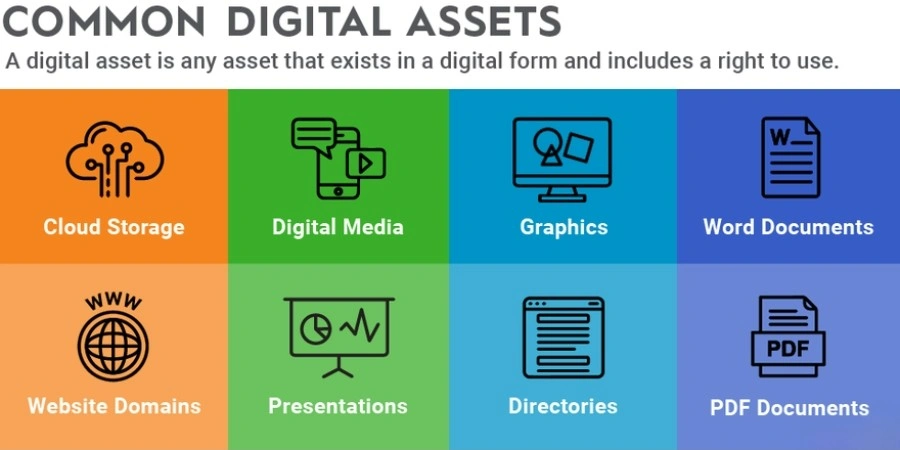
Before NFTs came into the picture, most of the digital world was built around traditional digital assets. These are files or items that exist in digital form—think of MP3 songs, JPEG images, Word documents, PDFs, or even in-game items like skins and weapons. They hold value because people use, share, or sometimes trade them, but they don’t have built-in mechanisms to prove unique ownership.
For example:
- If you buy an eBook, you have the right to read it, but the publisher or platform still controls distribution.
- If you download a song, millions of others may have the exact same file.
- If you own a rare skin in a video game, it technically still belongs to the game developer, who can modify or remove it at any time.
This model makes digital assets abundant and easily replicated. While this accessibility is convenient, it also means ownership is more about access rights rather than true possession. If a server shuts down or a company revokes your license, you can lose your asset.
What Are NFTs?
NFTs, or Non-Fungible Tokens, are a new class of digital assets powered by blockchain technology. Unlike traditional files that can be copied endlessly, NFTs represent unique, verifiable ownership of a digital item. Each NFT is stored on a blockchain, meaning its authenticity, history, and ownership can be tracked publicly and cannot be forged.
Key features of NFTs include:
- Uniqueness: No two NFTs are the same, even if they look identical. Their metadata and blockchain record make them distinct.
- Ownership: Holding an NFT gives you direct ownership secured by cryptography, independent of platforms or companies.
- Tradability: NFTs can be bought, sold, or traded on decentralized marketplaces, with ownership transferring instantly through the blockchain.
- Programmability: Some NFTs come with built-in smart contract features, such as royalty payments to creators on every resale.
Examples range from digital art, music, and collectibles to virtual land in metaverses and blockchain-based in-game assets. In short, NFTs transform digital items from “copies” into scarce, ownable, and potentially valuable assets.

Key Differences Between NFTs vs Traditional Digital Assets
Overall Comparision
When comparing NFTs vs traditional digital assets, the differences become much clearer. Here’s a breakdown of how they stack up:
| Factor | Traditional Digital Assets | NFTs |
| Ownership & Authenticity | Typically a license to use, not full ownership. Platforms can revoke or restrict access. | True ownership recorded on blockchain; transparent and verifiable authenticity. |
| Scarcity & Value | Easily duplicated, scarcity enforced only by platforms. Value tied to exclusivity. | Built-in scarcity (unique or limited editions) creates market-driven value. |
| Transferability | Transfers limited or prohibited by platforms. Cannot freely sell or trade. | Fully tradable on decentralized marketplaces; users can sell, gift, or swap freely. |
| Creator Benefits | Creators usually earn only from the first sale; no royalties from resales. | Royalties can be embedded in smart contracts, rewarding creators with each resale. |
| Permanence | Access depends on the platform; may be lost if service shuts down. | Exists on blockchain; remains accessible regardless of any single platform. |
Advantages of NFTs Over Traditional Assets
NFTs bring a layer of ownership and freedom that traditional digital assets simply can’t match. With NFTs, users are not just renting access from a platform—they truly own the asset on-chain. This unlocks more trust and permanence, as no single company can revoke or delete what you own.
Another advantage is market liquidity. Traditional assets often stay locked within one ecosystem, while NFTs can be freely sold or transferred across decentralized marketplaces. This gives owners more flexibility to monetize their holdings or move them across platforms.
For creators, NFTs offer recurring benefits through royalties coded into smart contracts. Every time the asset changes hands, the original creator can continue to earn, making it a fairer and more sustainable model compared to one-time sales in traditional digital systems.
Lastly, NFTs provide provable scarcity. In a digital world where duplication is effortless, scarcity is what creates value. Blockchain ensures that each NFT is unique or part of a limited edition, which builds collectibility and demand.
Read more: 10 Real-World NFT Use Cases Transforming Digital Ownership
Limitations of NFTs Compared to Traditional Assets
Despite their innovation, NFTs still face several challenges. One of the biggest is accessibility. To own and manage NFTs, users must set up crypto wallets, handle private keys, and pay gas fees—all of which create friction for mainstream adoption. In contrast, traditional assets like in-game items or digital music are easy to purchase and use with just a credit card.
Another limitation lies in volatility. The value of NFTs is closely tied to crypto markets and community hype, which means prices can fluctuate dramatically. Traditional digital assets, while not tradable in open markets, usually offer a more predictable and stable value within their ecosystems.
NFTs also face scalability and environmental concerns. Proof-of-work blockchains, though many are shifting to greener alternatives, still raise questions about energy consumption. Traditional assets don’t have this issue since they are stored on centralized servers.
Finally, legal and regulatory clarity around NFTs is still evolving. Questions about intellectual property rights, royalties enforcement, and consumer protection remain unresolved. Traditional digital assets, while limited in ownership, are more straightforward from a legal standpoint.
Looking for some ways to invest in NFTs? Check out this article: How to Make Money with NFTs: 8 Proven Strategies
Conclusion
NFTs mark a significant shift in how we perceive and interact with digital assets. Unlike traditional items locked inside centralized platforms, NFTs empower users with true ownership, portability, and the ability to trade freely across global markets. They open doors for creators to monetize directly and for collectors to build verifiable digital identities and collections.
At the same time, NFTs are not without challenges. Technical barriers, market volatility, and regulatory uncertainty mean that adoption is still in its early stages. Traditional digital assets continue to offer convenience and stability, especially for casual users.
Ultimately, NFTs don’t just replace traditional digital assets—they expand what’s possible. As technology matures and user experiences improve, NFTs have the potential to become the backbone of digital ownership, transforming how we think about value, identity, and creativity online.
Learn more: How to Invest in DeFi: A Full Guide for Beginners
FAQs
Q1. Are NFTs the same as digital files like images or music?
No. An NFT is not the file itself but a token on the blockchain that proves ownership and authenticity of that file. The actual file (image, music, video) can still be copied, but only the NFT holder has the verifiable proof of ownership.
Q2. Can I transfer traditional digital assets like game skins to another platform?
Usually not. Traditional digital assets are locked within the platform where they were purchased. NFTs, by contrast, can be moved and traded freely across different platforms and marketplaces as long as they support the same blockchain standard.
Q3. Are NFTs always valuable?
Not necessarily. Like any asset, the value of an NFT depends on demand, rarity, utility, and the reputation of its creator or project. Some NFTs gain value over time, while others may not hold long-term worth.
Q4. Do NFTs require cryptocurrency to buy and sell?
Yes. Most NFT transactions are carried out using cryptocurrencies like ETH or MATIC, depending on the blockchain. However, some platforms are beginning to introduce credit card payments to make entry easier for newcomers.